



Facilities Management
A page within Facilities Management
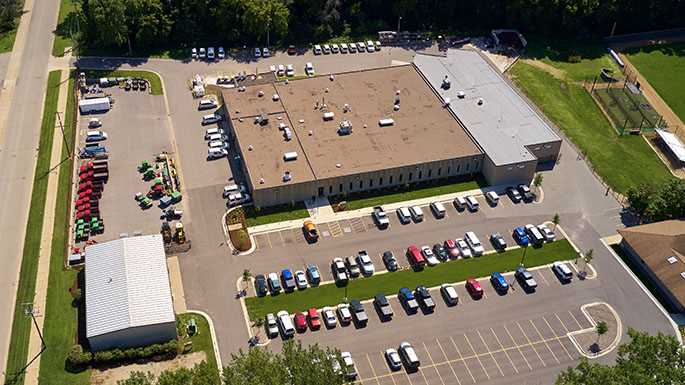
Assistance from Facilities Management
Maintenance Building and Call Center Hours (Monday - Friday):
- 7 a.m. - 4 p.m., Telephone No. 608-785-8585
- Facilities emergencies after hours, call the Dispatch Center at University Police, 608-789-9000.
The Service Request Portal will be monitored and work orders will be processed and assigned to staff on a priority basis.
Custodial Services Hours (Monday - Friday):
- 7:30 a.m. – 4:30 p.m., Telephone No. 608.785.8593
The mission of the University of Wisconsin-La Crosse is to provide a challenging, dynamic, and diverse learning environment in which the entire university community is fully engaged in supporting student success. We in Facilities Management consider our role to be critical to the success of students, staff, and the university as a whole. Our responsibility is to provide the highest quality environment for education incorporating three "C" core values:
Customer Service
Communication
Collaboration
Facilities Management is responsible for maintenance, construction and renovation of all UW-La Crosse buildings and grounds. As a service organization, the scope of responsibilities range from litter pick-up to maintenance of complex building systems to construction of new facilities. The links on the left side of this web page provide information on how to contact Facilities Management if you are in need of service or have any questions.