



Occupational Therapy
Help people get back to doing what they love
Whether it’s strumming a guitar or bending down to feed a beloved pet, occupational therapists help people continue doing the activities that matter most.
They work with individuals to solve everyday challenges—adapting movements, environments, or tools so patients can live fuller, more independent lives.
UW-La Crosse offers a nationally-accredited, 24-month master’s degree program in occupational therapy designed to prepare you for success from day one. Our graduates are fully prepared to take the National Board for Certification in Occupational Therapy (NBCOT) exam—and pass it with confidence.
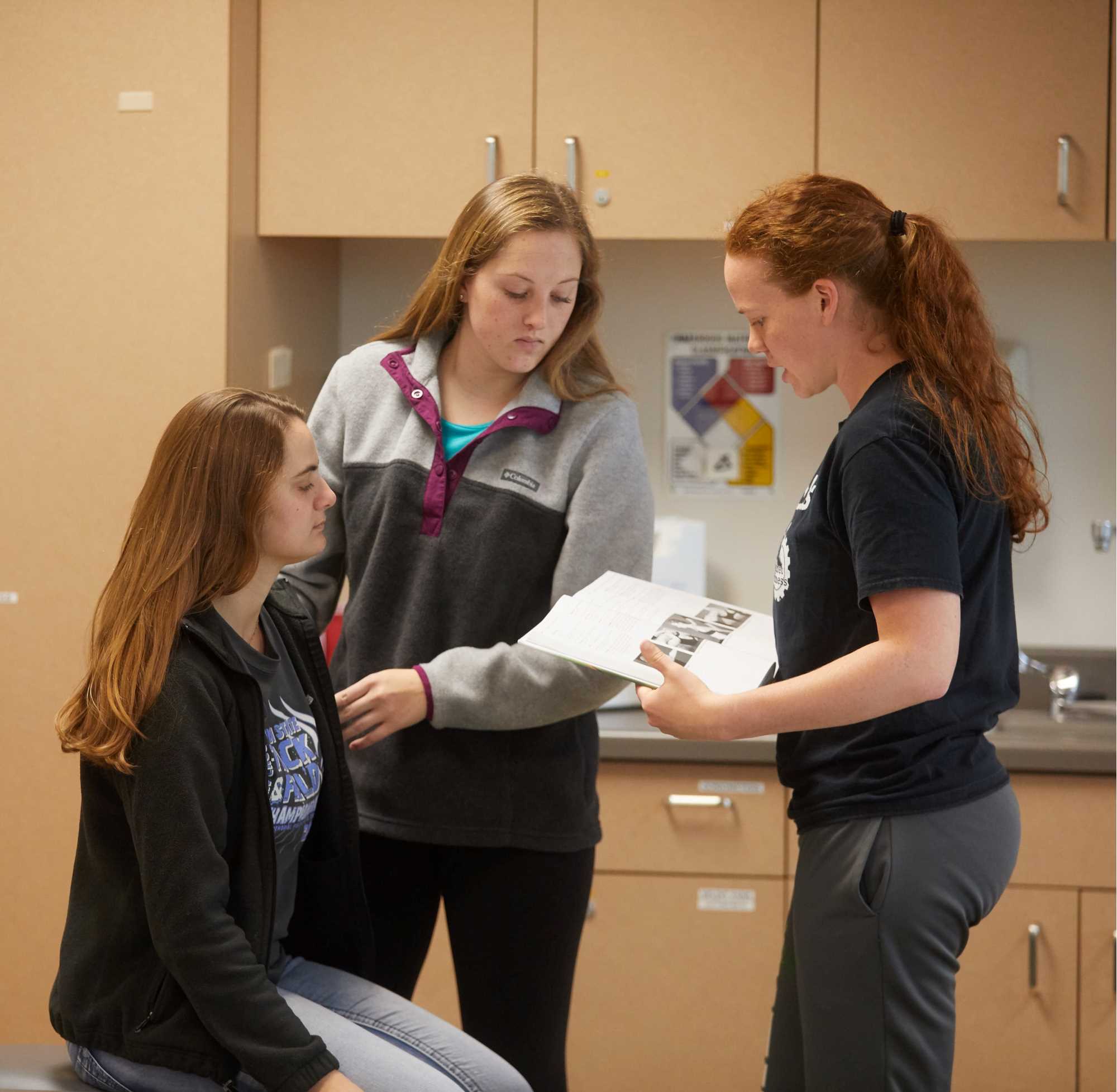
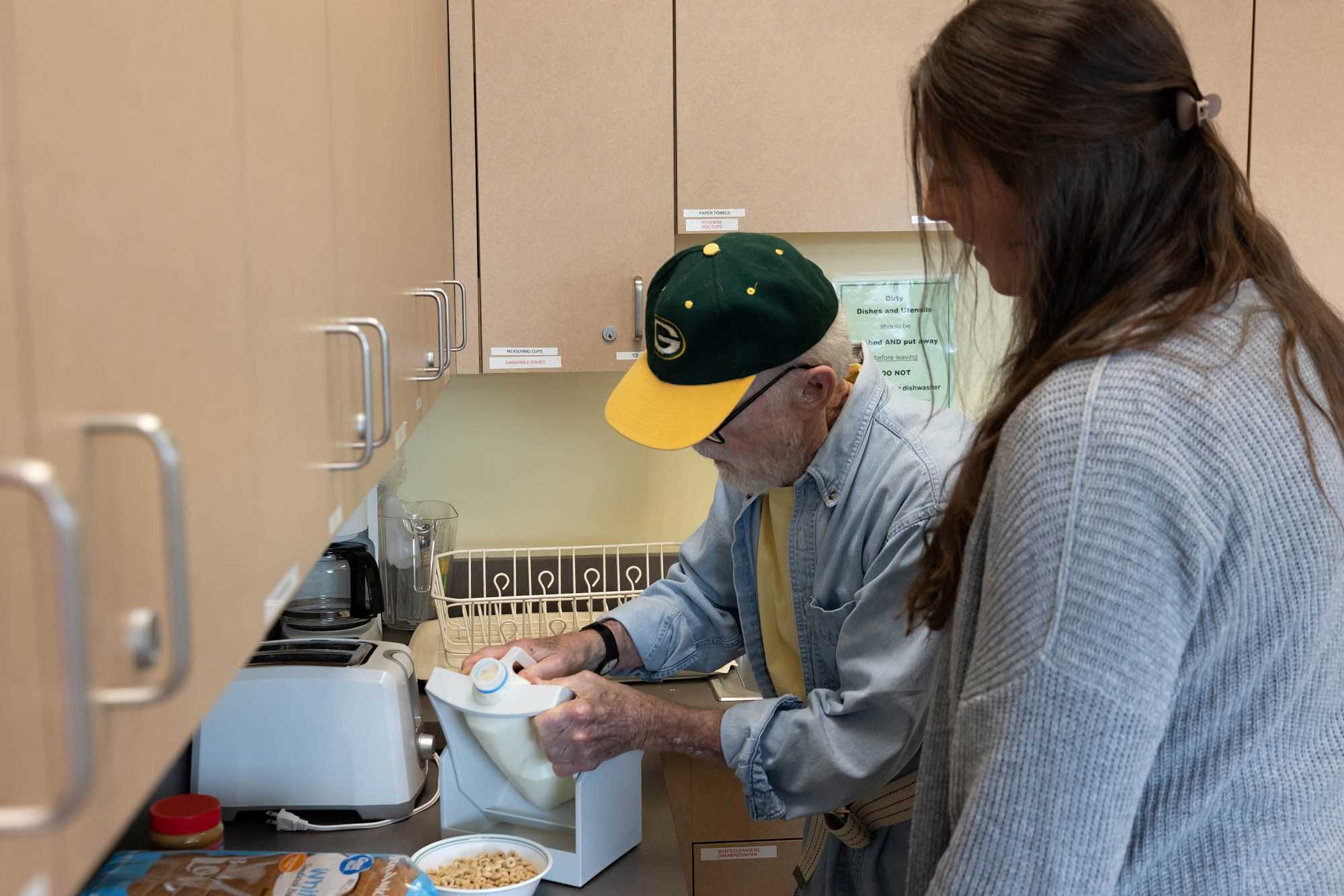
The term “occupational therapy” often confuses people. While it sounds like it’s focused on employment, “occupation” refers to any meaningful activity that “occupies” people’s time — whether that is working, cooking, parenting, gardening or playing music. OTs help people get back to living life on their terms.
OTs use a holistic, client-centered approach, taking into account physical and mental health, wellness and a person’s ability to perform daily tasks independently.
Program — at a glance
Degree: Master of Science in Occupational Therapy (MSOT)
Format: Full time, in person
Commitment: 24 months
Program start: Fall
Graduation: August
Credits: 71
Application deadline: Dec. 1
Pre-requisite courses
Sample curriculum
Career outlook
Why choose UWL's master's in occupational therapy?
Graduates of UWL’s OT program have a 100% pass rate on the National Board Certification for Occupational Therapy (NBCOT) exam. See NBCOT program data results.
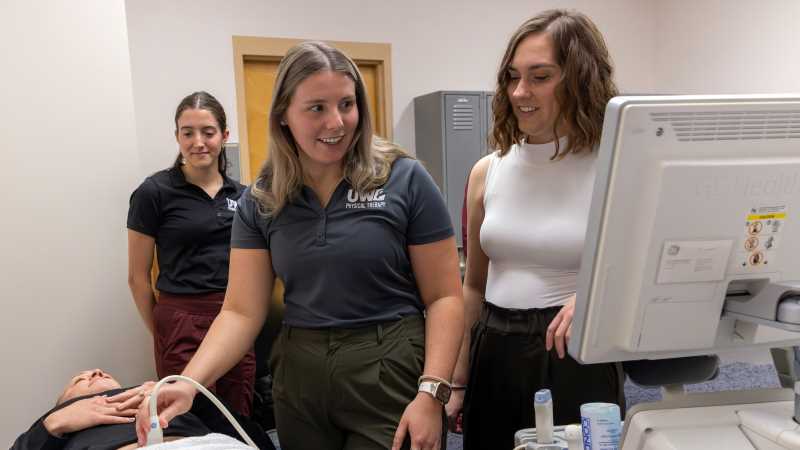
You’ll apply your knowledge through coursework, labs, clinical placements, and real-world fieldwork. During the final semester, OT students have a unique hands-on, student-led clinic experience mentored by clinicians. You'll take the lead in evaluating, treating, and discharging a real pediatric or adult client—sharpening your critical thinking and boosting your confidence as you prepare to hit the ground running in your fieldwork experiences
Our low student-to-faculty ratios ensure personalized attention and strong mentorship throughout your academic journey.
The UWL OT Program is accredited by the Accreditation Council for Occupational Therapy Education (ACOTE) of the American Occupational Therapy Association (AOTA), located at 7501 Wisconsin Avenue, Suite 510E, Bethesda, MD 20814. ACOTE's telephone number, c/o AOTA, is (301) 652-AOTA, and its web address is www.acoteonline.org.
Engage in applied research at the Health Science Interprofessional Research Center, where students from multiple disciplines collaborate to solve healthcare challenges. You’ll gain critical skills in leadership, communication and evidence-based practice.
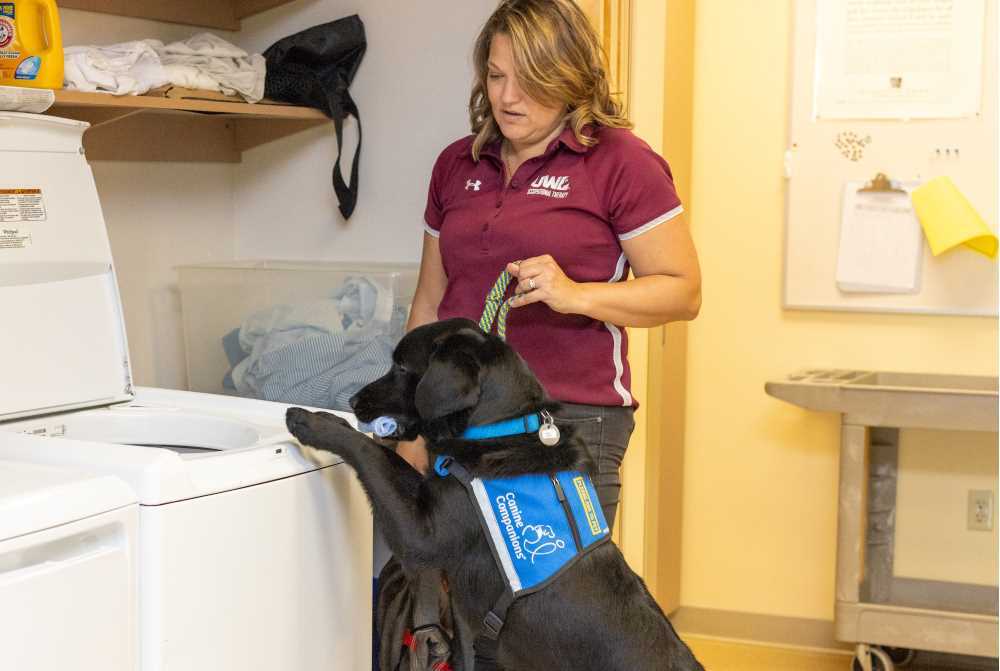
Meet Rossi, our Canine Companions Facility Dog. As the first dog to join UWL’s clinical classrooms, Rossi helps students learn how to incorporate service dogs into therapy sessions.
Learn to think critically and creatively by integrating the latest research into your practice. See how our students use evidence-based thinking in real-life settings in "Hope beyond no cure conditions."

Save the date!
Critically Appraised Topics (CATs) Research Presentations
Date: Thursday, May 7 from 4:30 pm to 6:30 pm
Location: UWL Health Science Center - Room 2006
Important dates
The application opens in mid July. Completed applications are reviewed as they are submitted beginning Sept. 15 until the class is full. Early application is encouraged. The final deadline for applications is Dec. 1.
Applicants will be notified of admission on an ongoing basis beginning in mid October.
Latest news
Hear from an alum
Alexander Morgan, ’20, Tomah Health Rehabilitation Services Department.
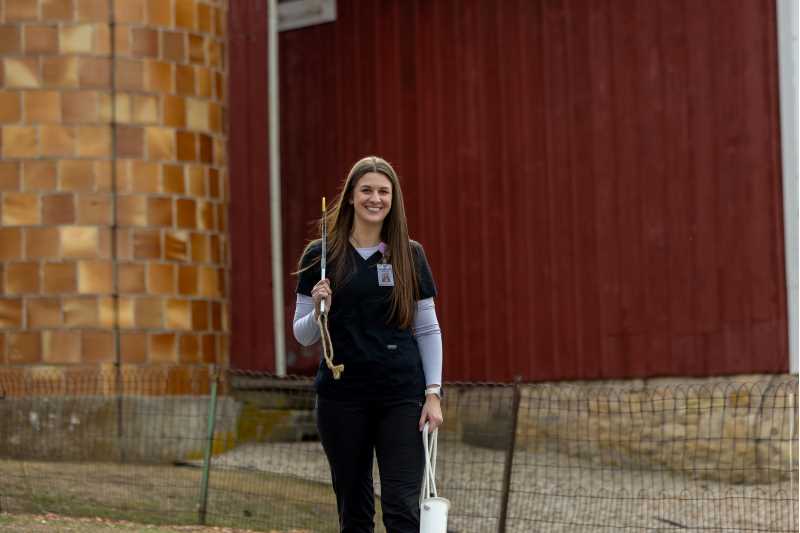
“UWL gave me the knowledge and skills I needed to hit the ground running. The classes, hands-on learning and community-based parts of the program all prepared me to provide direct patient care and tailor that care to meet each person’s needs.”
Hear from an alum
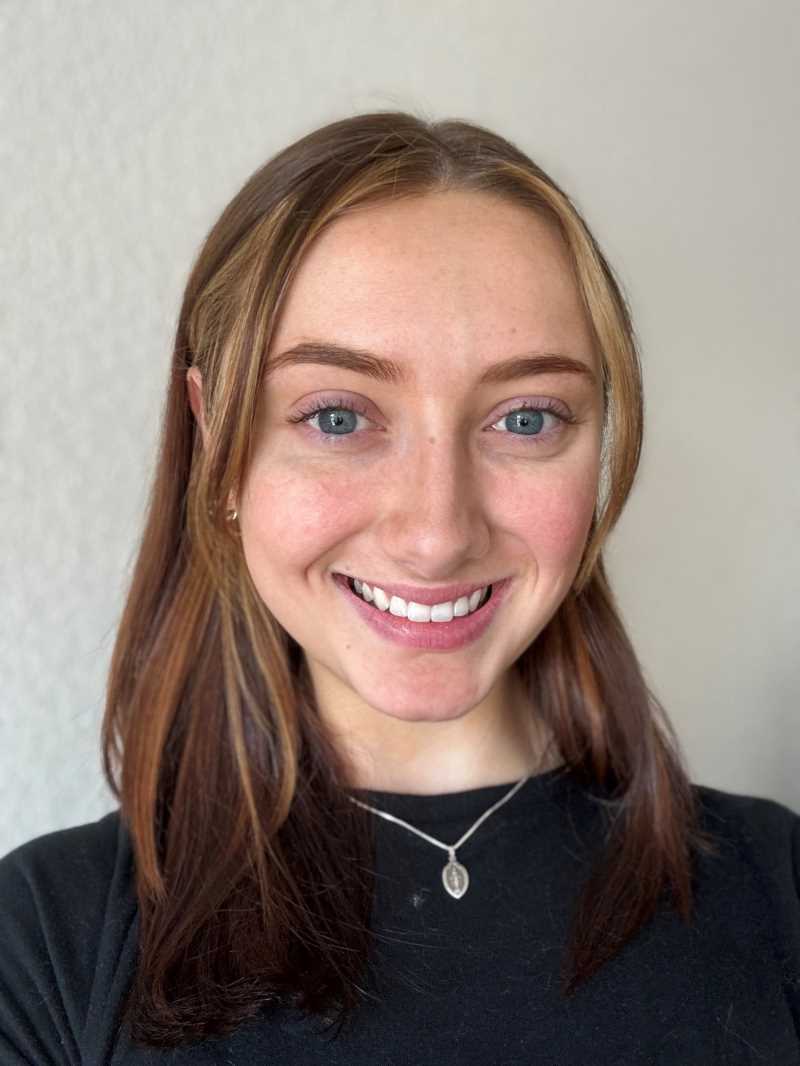
Maggie Cristoforo, occupational therapy student
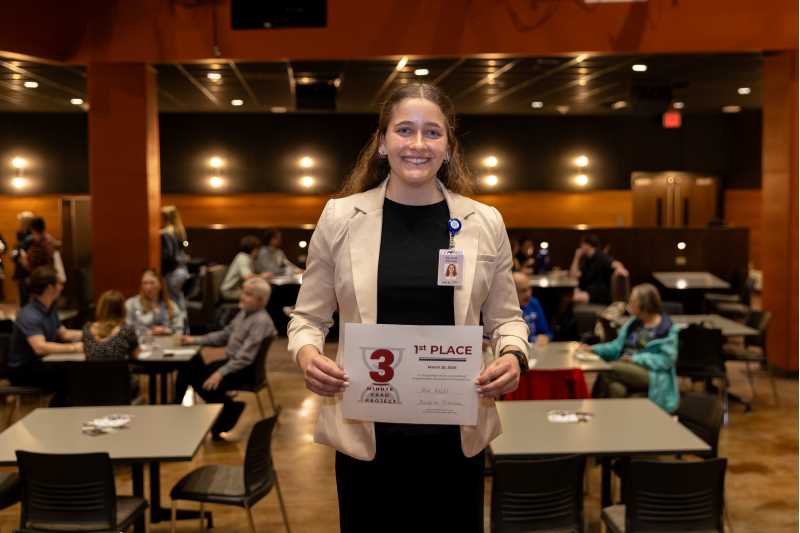
"I’ve gone from just following instructions as an undergraduate to having a bigger role in planning and executing a research study as a graduate student. It’s empowering to have a say in the research process."
Hear from an alum
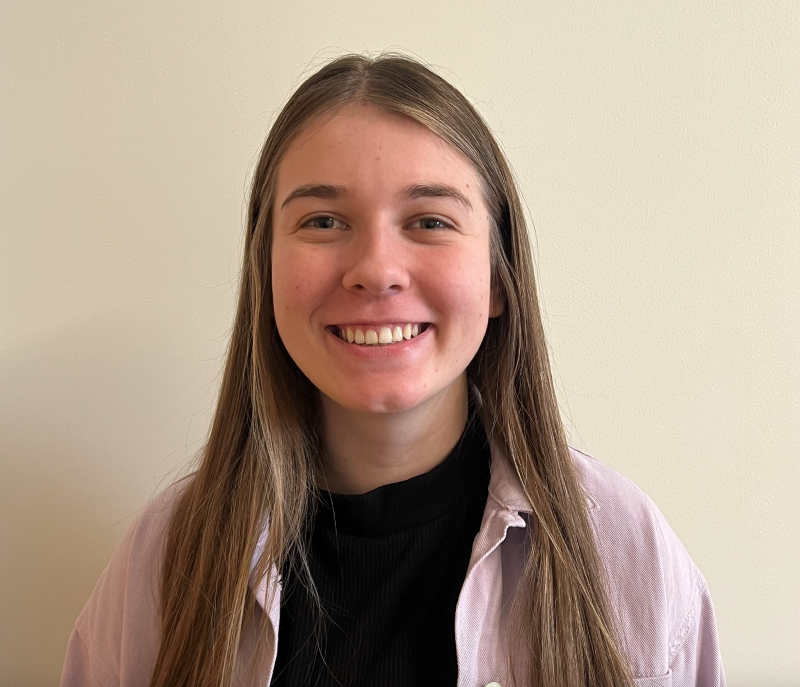
Hailey Carlson, occupational therapy student
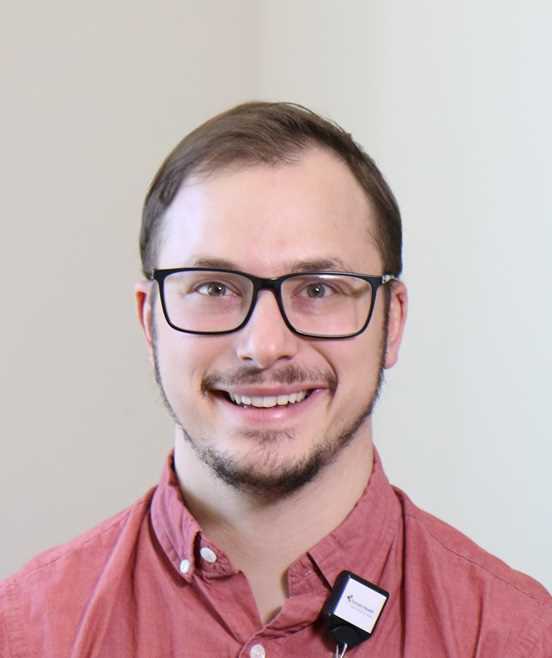
"Having first-hand experience through this program makes us better at interpreting results and applying our own interventions. Hopefully, it will have a positive effect for patients down the road."