



Physical Therapy
A page within Physical Therapy
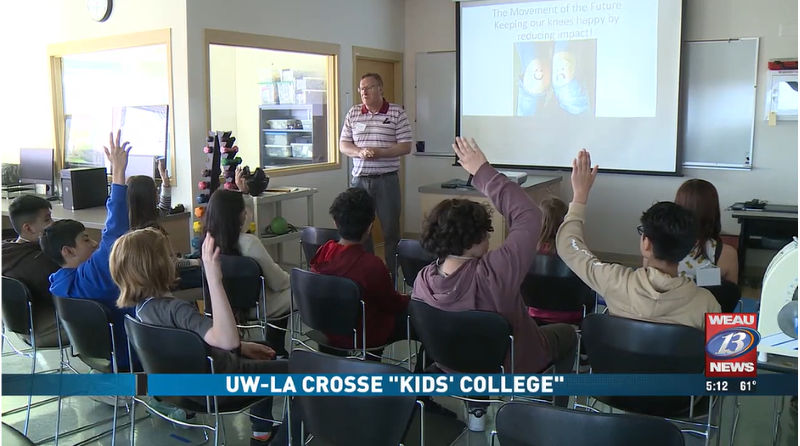
Earn your Doctor of Physical Therapy (DPT) degree at UW-La Crosse!
Program distinction
DOCTOR OF PHYSICAL THERAPY DEGREE
34 month program
EXEMPLARY PASS RATE
Recent Two-Year Average: 100% (Class of 2022 & 2023)
SMALL CLASS SIZES
Low student-faculty ratios for personalized feedback & relationships
HANDS-ON LEARNING
Throughout curriculum in coursework, labs, fieldwork, and clinic experiences
HEALTH SCIENCE CONSORTIUM
Inter-professional collaboration & research with health programs from local universities
Graduate preparation and employment
NATIONALLY ACCREDITED PROGRAM
The Doctor of Physical Therapy Program at the University of Wisconsin-La Crosse is accredited by the Commission on Accreditation in Physical Therapy Education (CAPTE). Review our program profile for more information!
IMPRESSIVE EMPLOYMENT OUTLOOK
According to the U.S. Bureau of Labor Statistics, employment of Physical Therapists is expected to grow 15% from 2022-2032, considerably faster than the national average for all occupations. To learn more about the current employment outlook please visit – Bureau of Labor Statistics
What is a physical therapist?
When individuals are recovering from injury or disease, the physical therapist evaluates and directs the recovery process to relieve pain, make them stronger, and help them to regain use of an affected limb. Physical therapists also teach patients and their families what to do so that healing continues through self-care at home.
Physical therapy attempts to meet an individual's health goals, whether a patient's goal is walking without assistance or running a marathon. A physical therapist is an integral part of the health care team that makes these goals a reality.
Watch the video below to see how our UWL PT students make a difference in their patients' lives.
Contact our program
PROGRAM INQUIRIES & APPLICATION QUESTIONS

Application Review Specialist
4033 Health Science Center
pamann@uwlax.edu
MEET OUR GRADUATE PROGRAM DIRECTOR
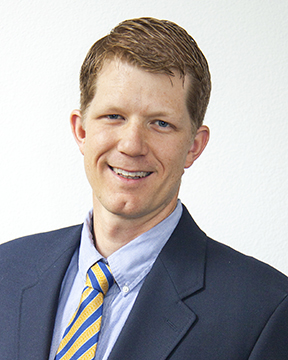
Associate Professor
4066 Health Science Center
pgrabowski@uwlax.edu
Specialty areas:
Motor behavior, OrthopedicsLatest news
Dr. Kernozek named to governor's healthcare task force.
Want less impact on joints? UWL PT research shows a simple cue can make a big difference.
Alum provides care for theater productions in the United Kingdom. Read more in the Campus Connection
Virtual rehab: UWL Physical Therapy Program embraces shift to telehealth. Read more in the Campus Connection
Leaving a legacy: Family scholarship supports students overcoming adversity. Thorman Family Pay It Forward Scholarship
UWL PT students create programming for people with progressive neurological diseases in unique community program. To learn more please visit EXPAND Program Video
Led by Tom Kernozek, UW-La Crosse's physical therapy program a hotbed for scientific studies. Read more at the La Crosse Tribune
The UW-La Crosse PT Program has been granted the maximum 10 years of accreditation. Read more in Campus News
To learn about current continuing education opportunities offered through the PT program please visit Continuing Education
PT students motivate elementary school staff, help fill a health need
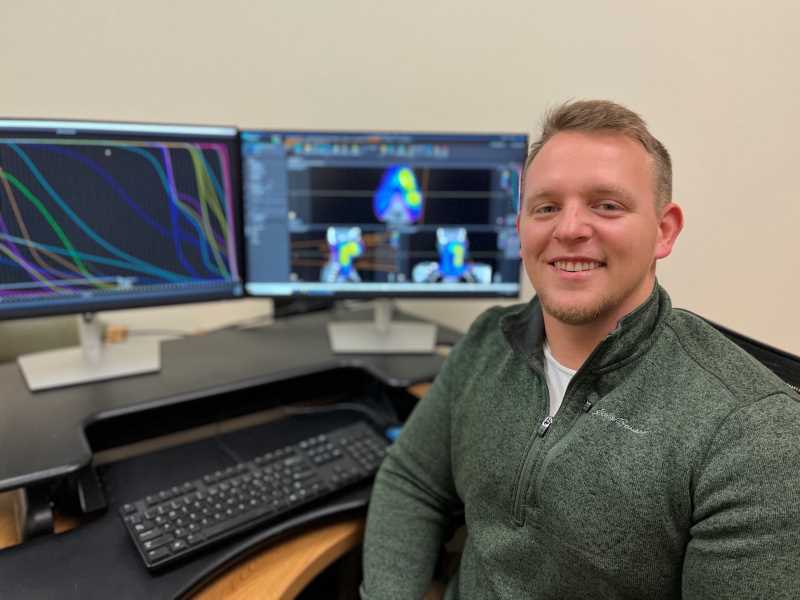 Life lessons from cancer care
Posted 1:56 p.m. Thursday, Feb. 8, 2024
Alumnus Jacob Wudtke shares wisdom from caring for cancer patients
Read more about Life lessons from cancer care
Life lessons from cancer care
Posted 1:56 p.m. Thursday, Feb. 8, 2024
Alumnus Jacob Wudtke shares wisdom from caring for cancer patients
Read more about Life lessons from cancer care
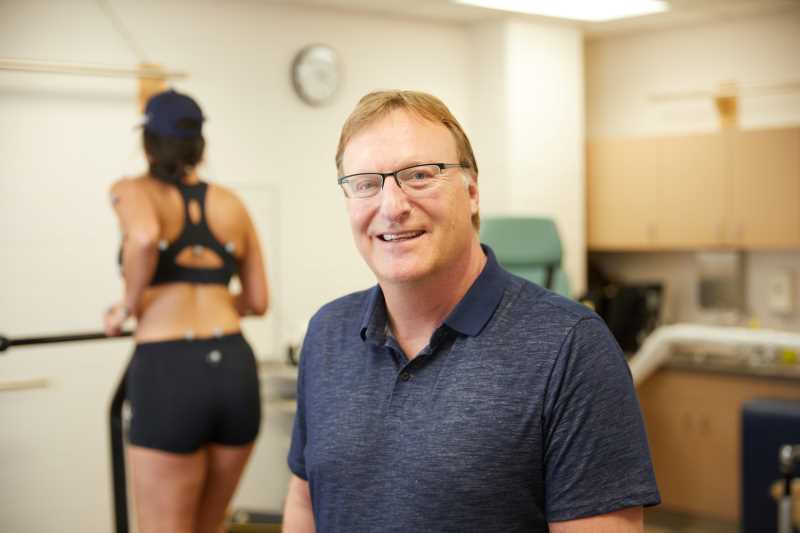 Serving the state
Posted 1:25 p.m. Wednesday, Feb. 7, 2024
Kernozek, known for work in physical therapy, named to governor's healthcare task force
Read more about Serving the state
Serving the state
Posted 1:25 p.m. Wednesday, Feb. 7, 2024
Kernozek, known for work in physical therapy, named to governor's healthcare task force
Read more about Serving the state
 Writing in health professions
Posted 10:21 a.m. Wednesday, Feb. 7, 2024
Megan Litster shares about her writing life on the Write Here, Write Now blog
Read more about Writing in health professions
Writing in health professions
Posted 10:21 a.m. Wednesday, Feb. 7, 2024
Megan Litster shares about her writing life on the Write Here, Write Now blog
Read more about Writing in health professions
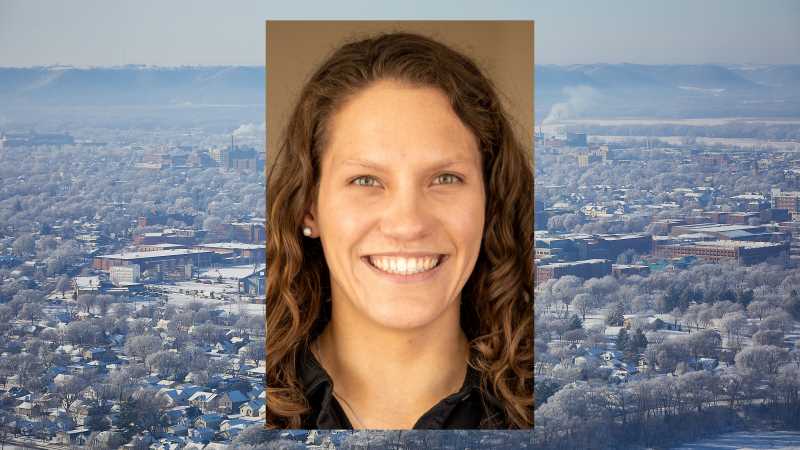 Women in medicine
Posted 2 a.m. Tuesday, Jan. 9, 2024
Physical therapy doctoral student recognized for Achilles research
Read more about Women in medicine
Women in medicine
Posted 2 a.m. Tuesday, Jan. 9, 2024
Physical therapy doctoral student recognized for Achilles research
Read more about Women in medicine
 Reimagine New Year's resolutions
Posted 2:59 p.m. Wednesday, Jan. 3, 2024
Research insights from campus experts can supercharge 2024 goals
Read more about Reimagine New Year's resolutions
Reimagine New Year's resolutions
Posted 2:59 p.m. Wednesday, Jan. 3, 2024
Research insights from campus experts can supercharge 2024 goals
Read more about Reimagine New Year's resolutions