




Undergraduate programs
Sociology
Undergrad major Undergrad minorSociology is the study of human groups and how the group influences social behavior. The field is both a science and a philosophy, seeking to answer questions about human behavior through the use of scientific methods. Sociology gives us new and important knowledge about the social world. The focus of the sociology major is to prepare students with the methodological background and analytical skills necessary for working in today’s world, while allowing students to gain a basic understanding of a variety of areas within sociology such as social stratification, criminology, social psychology and comparative sociology.

Criminal Justice
Undergrad minorCriminal justice is a system used for criminal proceedings and punishment. It includes the major areas of law enforcement, corrections, probation, the courts, crime and delinquency. UWL's program focuses on the social, political, economic, and cultural forces that influence definitions of crime, individual offending and crime rates, policy choices about how society responds to crime, and all aspects of the criminal justice system.

Human Rights & Criminal Justice Certificate
Undergrad certificateThe right to life, safety, travel, privacy, food, education and health, among other things. These are examples of human rights, essential rights that belong to us as people of this world regardless of our status. Criminal justice is the system used for criminal proceedings and punishment. It includes the major areas of law enforcement, corrections, probation, the courts, crime and delinquency. This program shows us how we can transform criminal justice into a human rights institution.
Featured courses
Get assistance
Upcoming events


Latest news
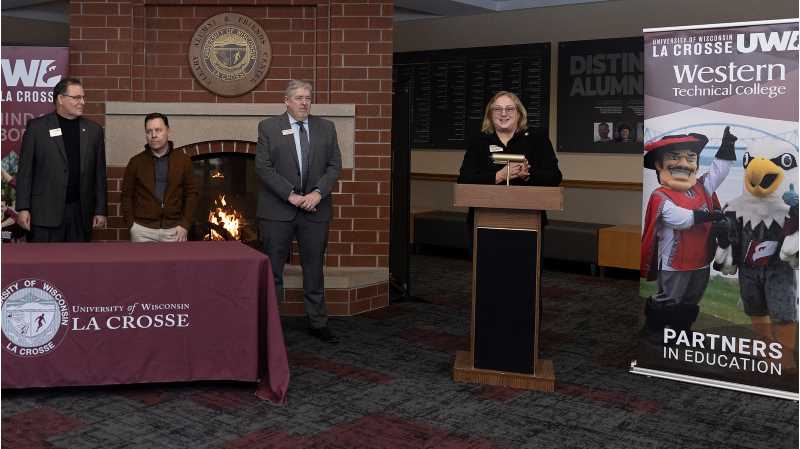 Paving the way
UWL, Western create new pathways for students to launch careers
Paving the way
UWL, Western create new pathways for students to launch careers
 Dedicating a degree
Mother conquers college doubts, pandemic parenting to graduate in December
Dedicating a degree
Mother conquers college doubts, pandemic parenting to graduate in December
 Writing in sociology
The Write Here, Write Now blog invites writers to respond to a series of questions that shed light on their writing lives
Writing in sociology
The Write Here, Write Now blog invites writers to respond to a series of questions that shed light on their writing lives
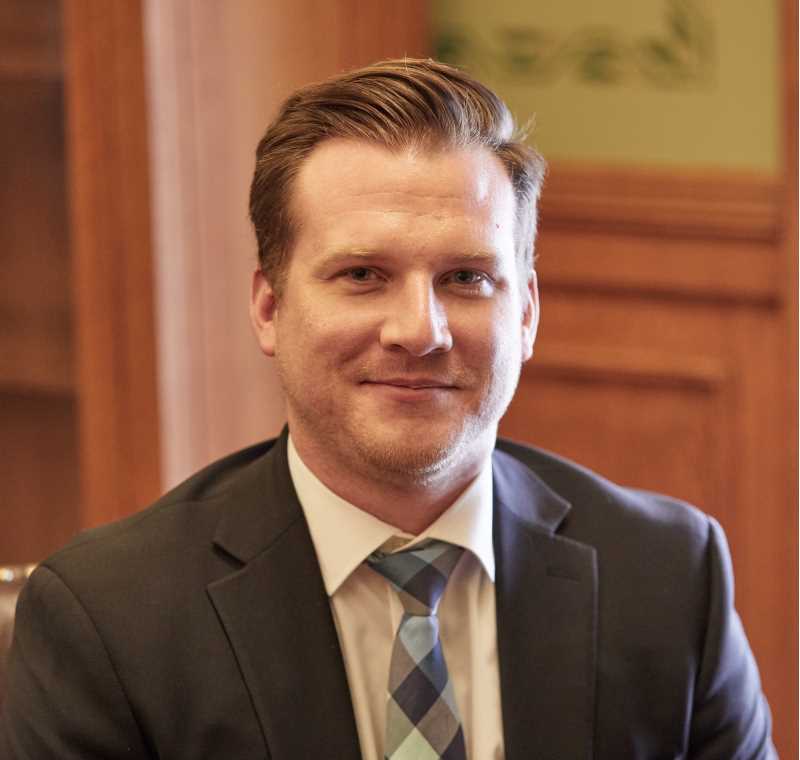
Our alumni
Fred Ludwig
My capstone sociology research project was kind of the Wisconsin Idea in motion. I was developing skills from my coursework and applying it to the real world.