



Undergraduate programs

Biology
Undergrad major Undergrad minor Teacher licenseBiology is the study of all living things from microscopic bacteria and viruses to plants and animals. UWL's biology program is home to a wide variety of disciplines spanning from the molecular to the ecosystem level.
Areas of study
Aquatic Science Concentration
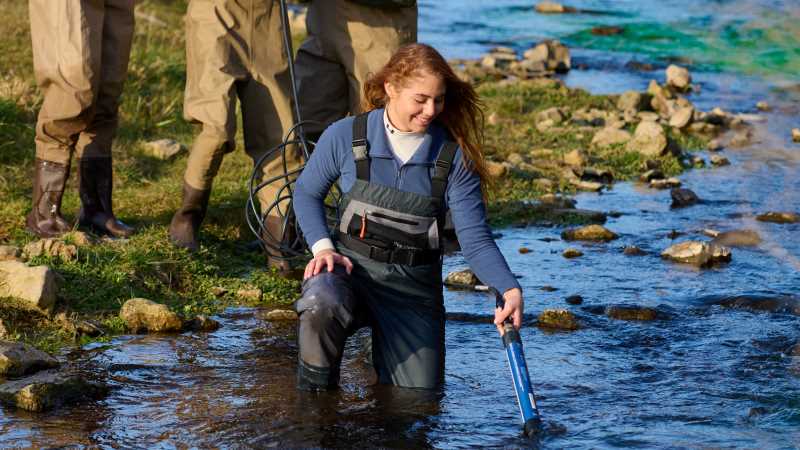
UWL offers an aquatic science concentration within the biology major to prepare students for exciting and challenging careers in the study and management of aquatic resources such as wetlands, streams, lakes, rivers, springs and groundwater.
Undergrad major View a sample plan for Aquatic Science Catalogfor Aquatic ScienceBiomedical Science Concentration
Biomedical science concentration coursework focuses on human and mammalian biology. An excellent choice for pre-med, pre-vet and pre-health professions students, the concentration includes a highly regarded, two-semester human anatomy and physiology series and additional chemistry classes.
Undergrad major View a sample plan for Biomedical Science Catalogfor Biomedical ScienceEnvironmental Science Concentration
Environmental Science concentration coursework includes strong core curriculum in biology, chemistry and math, followed by upper-level, environmentally relevant biology courses. Students with strong interests in the protection of natural resources and the outdoors tend to find this focus area appealing.
Undergrad major View a sample plan for Environmental Science Catalogfor Environmental ScienceScience Education
This is a teacher certification program, specifically for early adolescence-adolescence certification. All teacher education students must complete the general education, School of Education, major/minor, and university degree requirements in order to qualify for a degree. Biology requirements: 40 credits: (59-62 total credits including CHM and MTH requirements).
Undergrad major Teacher license View a sample plan for Science Education Catalogfor Science EducationMolecular Genetics & Cell Biology Concentration
Molecular Genetics and Cellular Biology concentration coursework focuses on understanding living processes at a molecular level. Scientists are making exciting biological discoveries in these fields today whether identifying genes responsible for cancer or re-writing the genetic code of living cells.
Undergrad major View a sample plan for Molecular Genetics & Cell Biology Catalogfor Molecular Genetics & Cell BiologyPlant & Fungal Biology Concentration
Plant & Fungal Biology concentration coursework will help you learn to identify plants and fungi, study their evolution, and understand their physiology. Students can also conduct research with faculty who study plants and fungi. UWL offers one of the only plant and fungal biology degrees in the U.S.
Undergrad major View a sample plan for Plant & Fungal Biology Catalogfor Plant & Fungal BiologyGraduate dual degree
The dual degree option enables a student to receive both a Bachelor of Science degree (biology major) and a Doctor of Physical Therapy degree from UWL. Students typically complete the undergraduate requirements in three years, followed by 34 months in the physical therapy graduate program. Students will be selected for entrance into the graduate program through a competitive application process. Participation in the dual degree program does not guarantee admission to the graduate program.
Undergrad major View a sample plan for Graduate dual degree Catalogfor Graduate dual degree
Nutrition
Undergrad minorNutrition is the study of nutrients in food and what they do for the body. Food and nutrition are an integral part of everyone’s daily lives and many factors influence how people choose the food they eat. In UWL's nutrition minor, students will learn about different aspects of food and nutrition, from individual nutrient needs, to the nutrient needs of specific groups, to how food is produced in a safe manner.
Graduate program
Biology
Graduate degreeAreas of study
Aquatic Science Concentration
Graduate degreeCellular & Molecular Biology Concentration
Graduate degreeEnvironmental Science Concentration
Graduate degreeNurse Anesthesia Concentration
Graduate degreePhysiology Concentration
Graduate degreeFeatured courses
Get assistance
Latest news
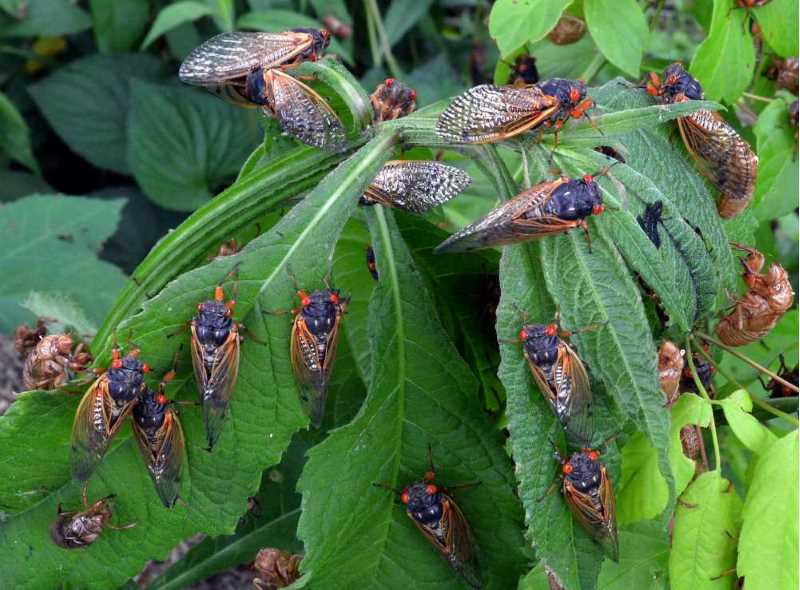 Cicadas to emerge soon
Entomologist explains the wondrous spectacle of insect behavior to be seen — and heard — in southwest Wisconsin this spring
Cicadas to emerge soon
Entomologist explains the wondrous spectacle of insect behavior to be seen — and heard — in southwest Wisconsin this spring
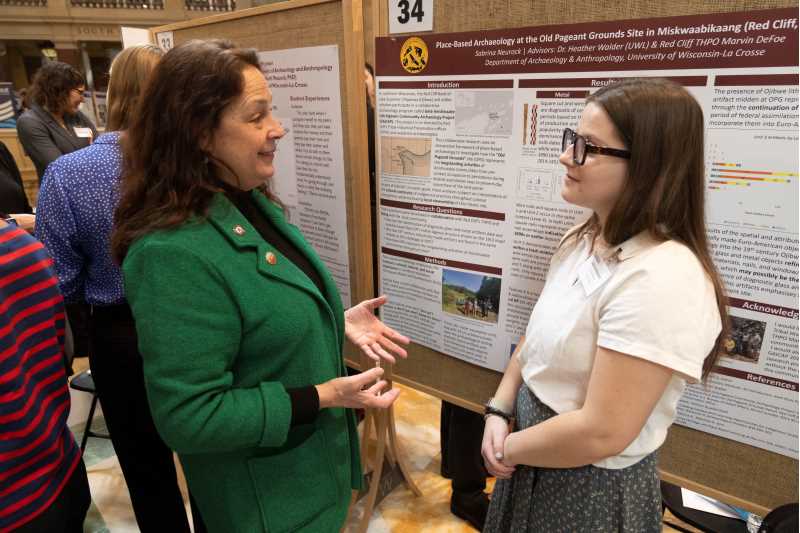 Research in the Rotunda
Seniors show off research at Wisconsin State Capitol
Research in the Rotunda
Seniors show off research at Wisconsin State Capitol
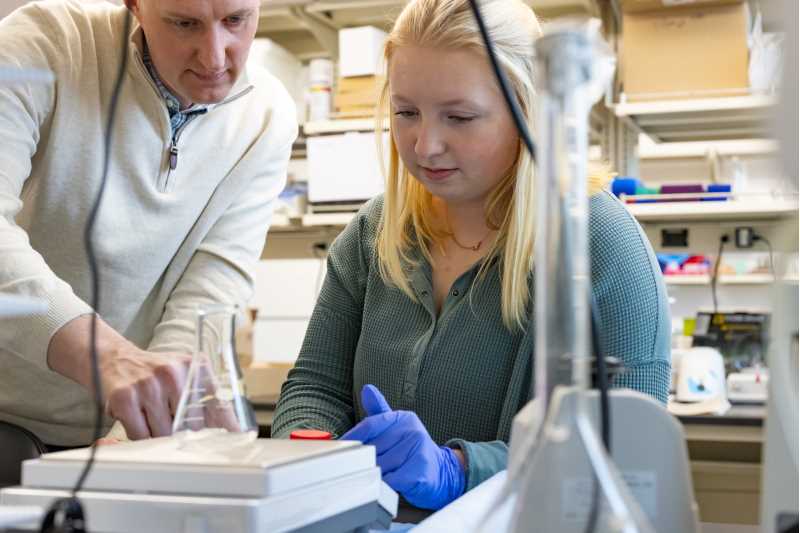 Cracking the code
Professor studies genetic secrets of invasive weed threatening $1.5 billion tomato industry
Cracking the code
Professor studies genetic secrets of invasive weed threatening $1.5 billion tomato industry

Our alumni
Sarah Hahn
A professor once told me, a good scientist never stops being curious. I would not be where I am today if it wasn't for the professors in the biology department constantly encouraging my curiosities.

Our alumni
Rachel Fenske, Ph. D., RDN
The faculty in the UWL Nutrition program are engaged and knowledgeable. I had the opportunity to build my nutrition knowledge base, explore new research, and gain insight into future careers. My nutrition minor from UWL was the jumping off point for my career in nutrition research.

Our alumni
Katherine Le Mere
The nutrition program informed me about the job possibilities in food science, and the hands-on aspect of the food science class helped me realize I would enjoy a career in the field. It also provided enough knowledge to give me the confidence to apply for a master’s degree program in food science. I can’t wait to see where this path will take me!

Our alumni
Abby Siakpere
My main reasons for coming to UWL were the Biology Department, the new science labs building, and the excellent reputation the biology program has.