




Undergraduate programs
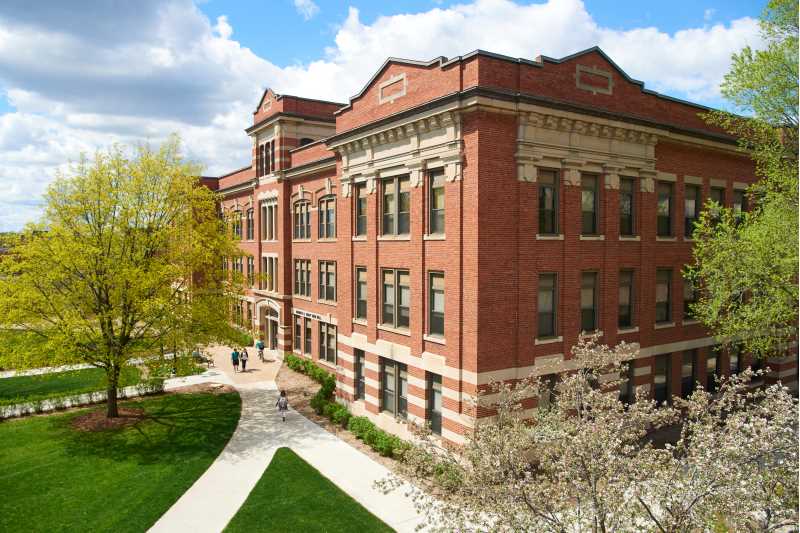
Sociology
Undergrad major Undergrad minorSociologists study human experiences, issues and problems. Learn about this area of study and career opportunities.

Criminology
Undergrad majorWith a criminology major you will gain the knowledge and experience needed to study crime, criminal behavior and their broader impacts on society.

Criminal Justice
Undergrad minorWith a criminal justice minor, you will expand your understanding of deviance, crime, approaches to justice, law enforcement, courts, corrections and more.
Human Rights & Criminal Justice Certificate
Undergrad certificateUnderstand the relationship between human rights and criminal justice through The Human Rights and Criminal Justice Certificate Program.

Society, Health, & Medicine Certificate
Undergrad certificateFeatured courses
View all coursesGet assistance
Upcoming events
Latest news


Upcoming Academic Calendar dates

Hear from an alum
Vanessa Mbuyi
People say bigger schools may have more opportunity, but I think UWL has those opportunities. And I’m able to keep the smaller classes, and I have the ability to talk to my instructor and go to office hours.
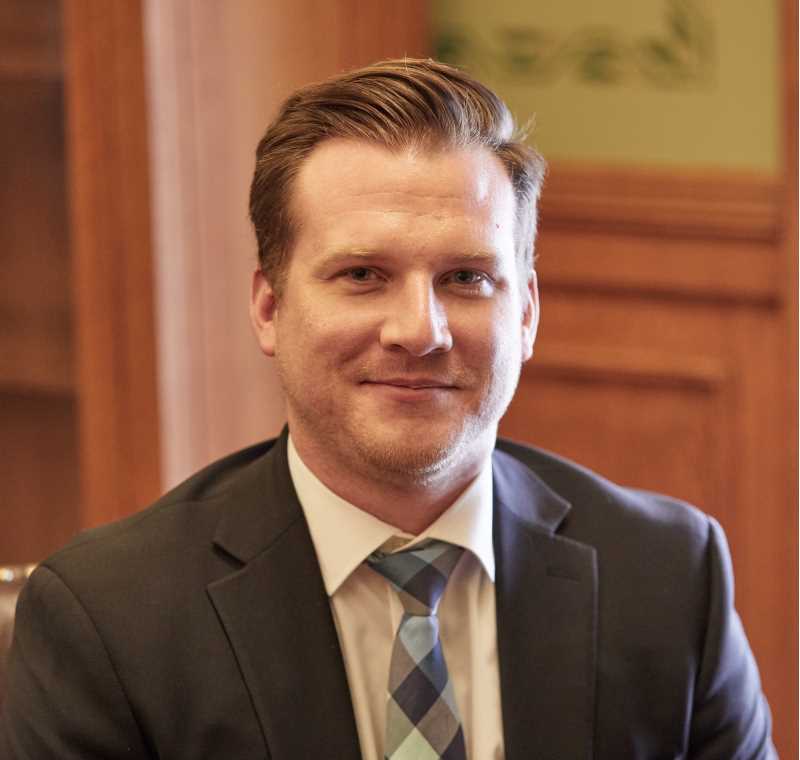
Hear from an alum
Fred Ludwig
My capstone sociology research project was kind of the Wisconsin Idea in motion. I was developing skills from my coursework and applying it to the real world.