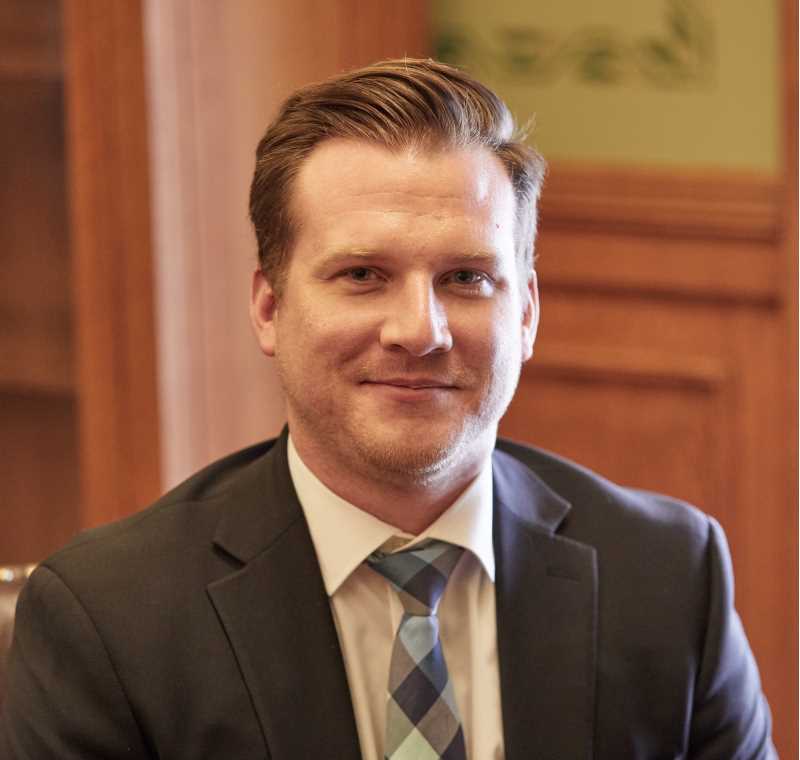



Rachel Rannow
2004 Graduate
Research Manager
Ipsos-Insightt
My last semester at UW-L was looming ahead of me, and I had yet to decide what to do with my life. While Sociology opened doors, the sky was the limit when it came to choosing a profession. Many of my classmates had already been accepted to Graduate schools by that time, and even more were pursuing Social Work. Neither one was quite the right fit for me and the big question on my mind was “what do I do with a ‘regular’ Sociology degree?”
During my studies, I had learned that my interests primary lie in gender, race and inequalities. Since that focus does not translate very well into “real world” jobs, I decided to cast a wider net when it came to applying for positions. I liked studying differences in distinct segments of populations (essentially what studying inequalities is all about) and deduced that those interests would fit well into studying politics or marketing: Political pollsters are continuously in high demand as incumbents always need to know their standing with constituents; pollsters are especially valued around campaign season as campaign “advisors” of sorts. Research in marketing would mean looking at specific markets and their collective values, views and perceptions. Either way I went, I knew that I would want to be working on something different every day; I wanted change and variety in my career, and I wanted to be mentally challenged.
In the wake of a number of rejection letters, I finally received phone calls for interviews. One company was called ATK, and they were looking for a Marketing Research Analyst in their Civil Ammunition Division. The flagship brand for ATK Civil Ammo was Federal Premium ammunition; since I grew up with hunters, I was somewhat familiar with the brands that ATK offered for hunting and shooting sports. Simultaneously, I landed another interview with the State of Minnesota in for tax analysis. The State needed someone to come in and look at populations and distributions of tax brackets.
I ended up accepting the job in Market Research, and quickly learned how a background in Sociology prepares students extremely well for the market research profession. I was studying a specified population, looking for particular traits and demographics. I was conducting secondary research and using different sources to paint a picture of the industry as a whole. Most importantly, I was managing multiple research projects from conception to completion.
Research projects that I was conducting at ATK followed the same basic procedure as a project conducted in SOC 405. Since the market research budget was set at the beginning of the year, I had limited resources and had to prioritize projects according to how much they contributed to the overall department objectives. I would meet with Brand and Product Line managers to understand their needs and objectives for the research project and discuss methodologies with them. Methodologies were largely determined by budget and timelines, so most projects were conducted via online surveys or by telephone. Some “big picture” projects would require focus groups, while other projects were mailed questionnaires or one-on-one telephone interviews.
After I determined the methodology to be used, I would need to design the survey and have it approved by all parties involved. It was important to ensure that all demographics and psychographics were included, so that all the proper crosstabs could be run after data collection completion. At the same time as survey design, I would be contacting different vendors that would conduct the data collection and receive bids for study costs.
Upon selecting vendors and survey approval, the study would go out for data collection. Depending on the timeline, data were collected anywhere from weeks to just days. Once data collection was completed, I would receive the data (usually in Excel), clean it and drop it into SPSS for analysis.
Analysis and reporting was one of my favorite parts of the position, because this stage is where I really got to use my critical thinking skills. I would start by running frequencies to see general trends: what were the general findings? What were the demographics of the respondents? Are there any over-riding themes? What are some of the factors causing these trends?
Studying Sociology had taught me to think objectively about findings. I challenged myself to look for not only interesting findings, but to incorporate industry trends and underlying factors that contributed to the “big picture.” Market research forced me analyze the market as a whole; I looked at sales trends, sales channels (were consumers buying at Wal-Mart or Gander Mountain?), demographics, region, seasonality, market share, prices, product-mixes, advertising campaigns, competitors, industry trends, legislative issues and regulations, and a plethora of other forces at work within the industry. In short, I had found what I was looking for in my post-collegiate career: change, variety and mental stimulation.
I spent two years at ATK managing the market research group before accepting a position with a market research firm. Now I am a Research Manager at Ipsos-Insight, where I manage projects of larger scale and magnitude. I am learning more about statistical analysis and client needs. I am still managing research projects from start to finish, but am working in the technology industry instead of the outdoor industry.
The more I am learning, the more I understand that the sky is the limit when it comes to my career. Every industry, every business needs to know their customers. They need to know their customers likes, dislikes, values and preferences in order to serve their customers best. As Sociologists we are taught to objectively study populations, and Market Research has turned out to be the perfect venue for me to conduct my studies.
|