

Posted 3 p.m. Monday, Feb. 23, 2026
A practical guide to budget-friendly student cooking that is delicious and cheap
Article by Ellen Poels, a UWL junior majoring in sport management with minors in philosophy and legal studies.
Let’s be honest — student life isn’t exactly glamorous. Between lectures, deadlines, part-time jobs, and trying to maintain a social life, cooking can feel like a luxury. And when money’s tight, it’s tempting to survive on instant noodles and takeaway deals.
But here’s the good news: eating well on a budget is completely possible, and it doesn’t have to be boring.
With a few affordable staples, smart shopping habits, and simple recipes, you can cook meals that are filling, comforting and good for you — all without draining your bank account.
The foundation of budget cooking: ingredients
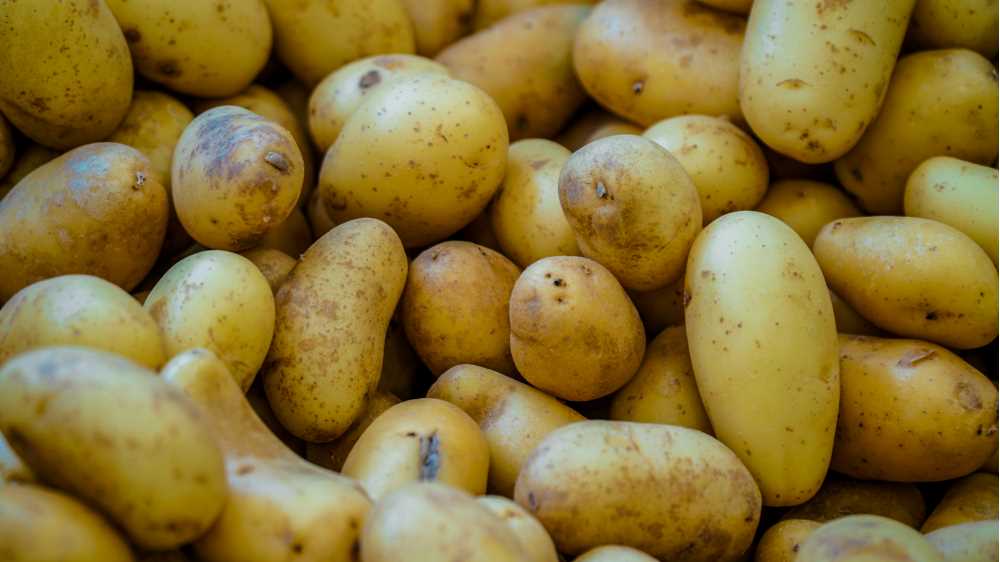
The Golden Rule: build your meals around cheap staples.
Think:
• Rice
• Pasta
• Potatoes
• Eggs
• Canned or dry beans
• Frozen vegetables
These ingredients are inexpensive, last a long time, and can be turned into dozens of meals. Once you’ve mastered these basics, cooking becomes easy and affordable.
Smart grocery habits for students
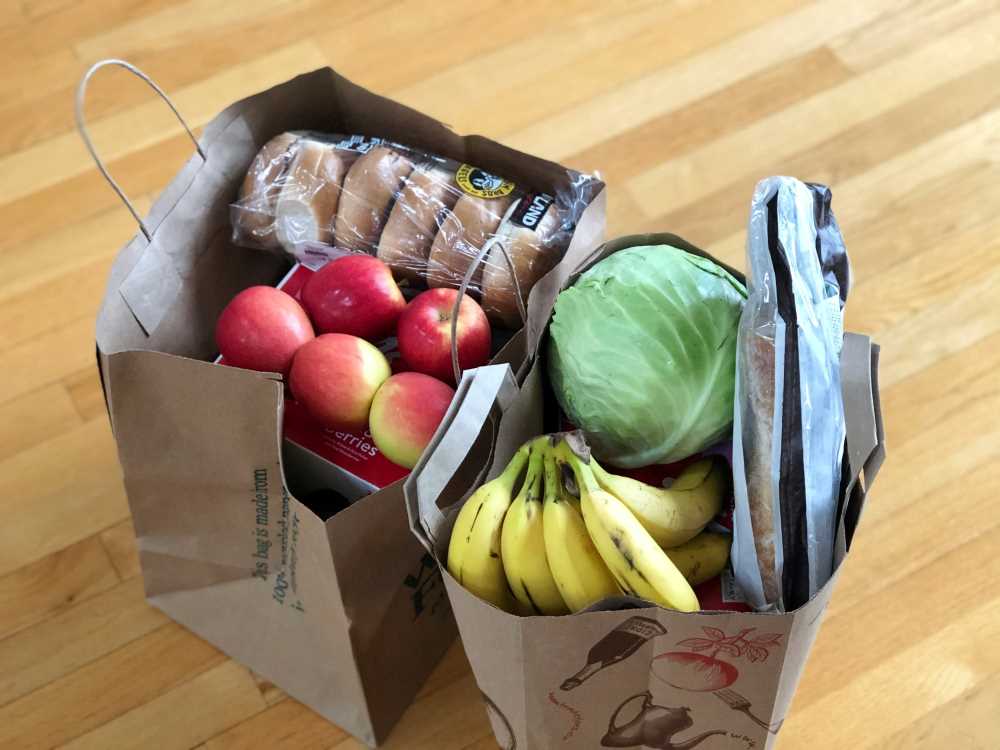
Habits that save you money:
- Plan before you shop. Wandering the supermarket without a list = overspending.
- Buy store brands. They are often identical in quality but significantly cheaper.
- Use frozen vegetables. No waste, long shelf life, lower cost.
- Cook in batches. One large meal is cheaper than five small ones.
- Avoid food waste. Leftovers = tomorrow’s lunch.
- Small habits compound into big savings over a semester.
Why meal prepping changes everything
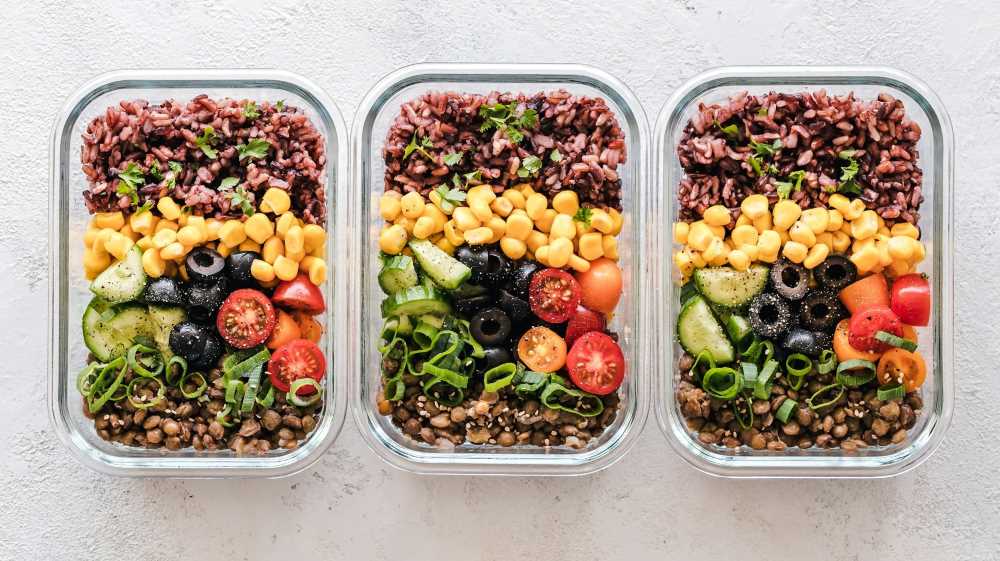
Meal prepping and smart grocery shopping aren’t “organized person” habits. They’re money-saving, stress-reducing and time-protecting tools.
What is meal prepping? Meal prepping means preparing food in advance instead of cooking every day.
There are three main approaches:
- Full prep: Cook complete meals for three to five days.
- Batch cooking: Make large portions of staples (rice, beans and pasta) and mix them into different meals.
- Ingredient prep: Chop vegetables or cook proteins in advance to reduce weeknight cooking time.
You don’t need fancy containers. Just a little time and intention. You'll spend less money, buy only what you need, waste less food and avoid impulse takeout foods. Even skipping two takeout meals a week saves hundreds per semester. Plus, you'll save time, use fewer dishes, eat healthier and spend less time making decisions at a time in life when you're already required to make constant decisions as a student. Removing “What should I eat?” from the list creates mental clarity.
Meal prepping becomes even more powerful when paired with smart grocery tactics.
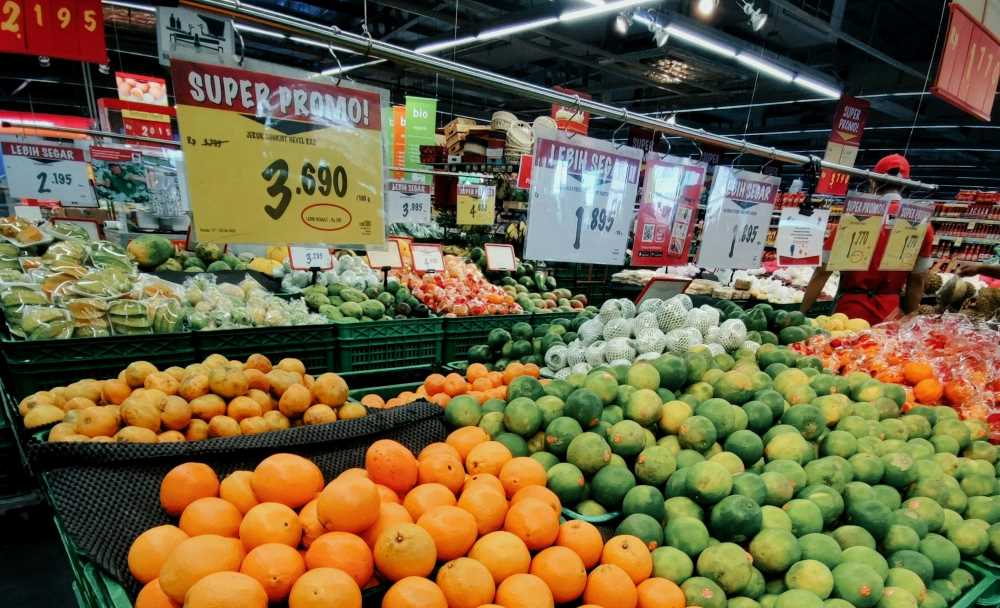
- Use store apps and digital coupons. Most supermarkets offer: Digital coupons, loyalty rewards, student discounts and weekly promotions (even 10–20% savings adds up over time.)
- Plan around sales. Instead of planning meals first, flip it: check what’s on sale and build meals around discounted items. Potatoes cheap? Roast them all week.
- Buy generic. Store-brand rice, pasta, beans and canned goods are often identical in quality but cheaper. Brand names rarely matter for staple foods.
- Check frozen and reduced sections. Frozen vegetables last longer and reduce waste. Reduced items can be used immediately or frozen. Smart shoppers look here first.
Beginner-friendly weekly meal prep plan

Core idea: Cook three base components:
- Rice
- Roasted vegetables
- Protein (eggs + beans)
Mix and match them all week.
Sunday prep example: (1–1.5 hours total)
- Cook 2–3 cups dry rice. Store in containers for five-six servings.
- Chop potatoes, carrots and onions
- Toss with oil, salt and pepper.
- Bake at 400°F for 30–40 minutes.
- Seasoned beans (three–four servings). Simmer beans with: garlic powder, paprika, salt and chili flakes. Cook for 10 minutes.
- Hard-boiled eggs (six eggs). Boil and refrigerate for quick protein.
Weekly meal rotation example:
Breakfast
• Hard-boiled eggs + toast
OR
• Rice + fried egg + roasted vegetables
Lunch
• Rice bowl: rice + beans + roasted vegetables
• Add hot sauce or soy sauce for variation
Dinner
• Bean and rice burrito
• Loaded potato bowl
• Stir-fried leftover rice
Same ingredients, different combinations.
Budget grocery list example (under $30)

Staples
• 5 lb rice – ~$4
• 5 lb potatoes – ~$4
• Beans (3–4 cans or dry) – ~$4
• Pasta – ~$1.50
• Oats – ~$3
Protein
• 1 dozen eggs – ~$3–4
Vegetables
• Carrots – ~$2
• Onions – ~$2
• Frozen mixed vegetables – ~$2–3
Extras
• Bread – ~$2
• Tortillas – ~$2–3
• Basic seasonings – ~$2
Estimated total: $25–30
(Many items last beyond one week.)
Cost breakdown
• One takeaway meal: $10–15
• This plan: ~15–18 meals
• Cost per meal: ~$1.50–2
That’s major semester savings.
Simple budget recipes for college students
1. 15-minute garlic butter pasta
Ingredients:
• Pasta
• Garlic
• Butter or oil
• Salt and pepper
• Optional: herbs, chili flakes, cheese
Cook pasta. Sauté garlic in butter. Toss together. Season generously. Add leftover vegetables or a fried egg if desired.
Simple. Cheap. Comforting.
2. Scrambled eggs on toast
Eggs are one of the cheapest protein sources available.
Scramble eggs, toast bread, combine.
Upgrade ideas:
• Spinach or tomatoes
• Cheese
• Hot sauce
• Avocado (if on sale)
Dependable, quick, affordable.
3. Bean and rice burritos
Cook rice. Heat beans. Add to tortilla.
Optional: salsa, cheese, corn.
Make multiple at once for grab-and-go meals.
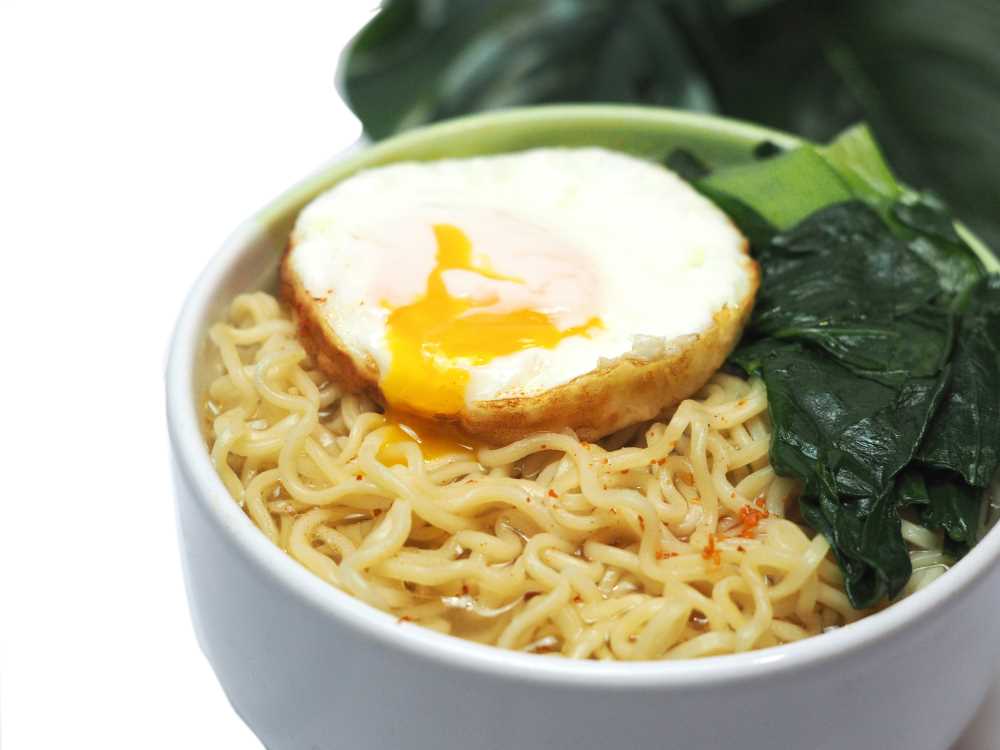
4. Upgraded instant Ramen
Enhance basic ramen:
• Add frozen vegetables
• Crack in an egg
• Add soy sauce or chili sauce
Cheap, warm, balanced.
5. Crispy oven potatoes
Chop potatoes, toss with oil and salt, bake until crispy.
Pair with:
• Eggs
• Beans
• Leftover vegetables
• Yogurt dip
Comfort food without the takeout price.