
Posted 11 a.m. Sunday, April 5, 2026
UW-La Crosse senior Yia Vue is helping to bring long-silenced Southeast Asian histories into clearer public view. Her work centers on post-conflict societal reconstruction, with an emphasis on the American wars in Southeast Asia — including the Vietnam War and the Secret War in Laos — and the long-term consequences of these conflicts, from displacement and diaspora formation to environmental damage and intergenerational memory.
A double major in English: Writing and Rhetoric and Cultural Anthropology, Vue combines research, storytelling and public history to examine how war continues to shape both people and landscapes across generations. At UWL, she has transformed that research into work that reaches beyond the classroom and into the community.
For Vue, this history is not distant; it is personal. The Secret War in Laos was a CIA-backed covert campaign that ran alongside the Vietnam War. Because Laos’ neutrality had been internationally recognized under the 1962 Geneva agreements, the conflict was carried out in ways that obscured the scale of direct U.S. involvement. During the war, the CIA organized, funded and directed anti-communist forces in Laos, including large numbers of Hmong fighters under the leadership of Gen. Vang Pao.
For Hmong families, the war’s consequences did not end in 1975. Following the communist takeover in Laos, many Hmong and other U.S.-allied families faced persecution, reeducation, displacement and dangerous journeys across the Mekong River into refugee camps in Thailand before eventual resettlement in countries such as the United States, France, Canada and Australia.
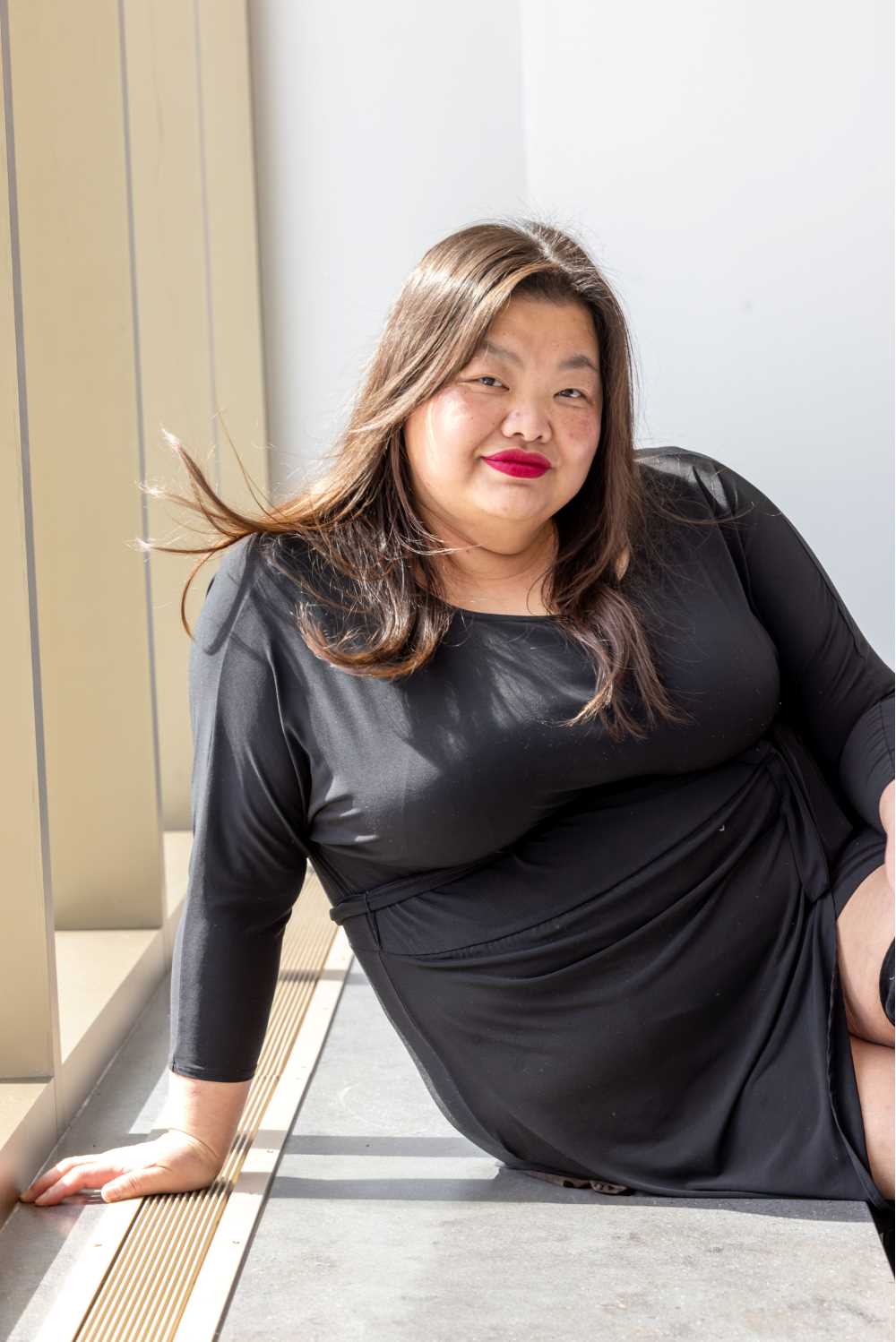
Vue’s own family history is deeply tied to that legacy. Her late father was a child soldier during the war, and many relatives on both sides of her family were directly affected by it. As relatives began sharing more of their experiences in recent years, Vue found herself drawn more deeply into the history — not only to understand the war itself, but to better understand her father, her family and the forces that shaped the Hmong diaspora.
“The Secret War is very close to me and my family; it had a profound effect and is a direct reason why we’re here in America,” Vue says. “Researching it brought a new dimension to understanding my father as a man and as a person.”
That personal connection became the foundation for her most ambitious public-facing project at UWL. In fall 2025, Vue led the creation of “Fifty Years Later: Commemorating the End of the Secret War,” an exhibition at the Lowe Center for the Arts marking the 50th anniversary of the war’s end.
The exhibition invited viewers to engage not only with the history of the war, but with its enduring human impact — memory, loss, survival and the unfinished histories carried across generations. By sharing these histories, Vue hopes to deepen public understanding of why Hmong families came to places like Wisconsin and why the Secret War must be recognized as part of both Southeast Asian history and American history.
“We teach it as the Vietnam War, but in reality, it was more than that,” Vue says. “It’s important that my people are recognized for their contributions to American history and also to the war theater that happened in Southeast Asia.”
At the center of the exhibition stood a striking eagle sculpture constructed from ceremonial joss paper. Traditionally used in funerary practices as offerings to support and guide the dead in the afterlife, the material transformed the sculpture into both a memorial and a sacred gesture. The eagle — symbolizing remembrance, resilience and continuity — also connected Hmong cultural traditions to the UWL community.
“The eagle is a tribute to all the lives that were lost during the Secret War, but also as a tribute to UWL,” she says. “The eagle itself serves as a messenger of hope for all of us.”
Although Vue’s exhibition ended in November, the eagle sculpture she created for the show still stands in the Lowe Center and has been accepted into UWL’s permanent art collection, ensuring that its message of remembrance and resilience continues to reach future generations.
Through her work, Vue is not only preserving history, she is reshaping how it is understood, remembered and taught.
Support for the exhibition
“Fifty Years Later: Commemorating the End of the Secret War” was made possible by support from UWL’s departments of Art; Archaeology & Anthropology; and Race, Gender, & Sexuality Studies — among other partners.