

Posted 11:51 a.m. Tuesday, Oct. 20, 2026
Pop culture, media, and more from the perspective of a peer educator
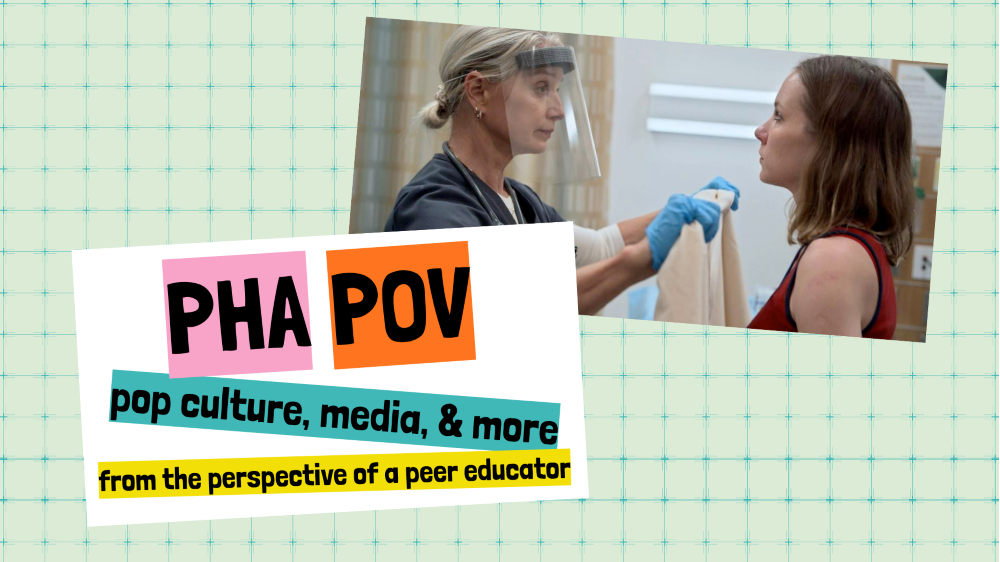
In our last PHA POV, we discussed how media mirrors reality. With that in mind, it’s important to recognize how media portrayals of difficult topics can have a lasting effect on societal perceptions, conversations, and behaviors. The hit television show The Pitt has never shied away from this responsibility – instead, it challenges conventional media depictions of real-world experiences. One of the most prominent scenes in its latest season centers on the technical requirements and patient-centered communication involved in a Sexual Assault Nurse Examiner (SANE) exam, a medical examination that collects evidence and provides care to survivors of sexual assault.
Medical professionals have praised the show’s portrayal as “poignant and educational” and “respectful and trauma-informed” (Nurse.org). This representation is particularly important, given the prevalence of sexual violence in the United States. The Rape, Abuse, & Incest National Network (RAINN) reports that an estimated 826 people ages 12 and older experience sexual violence every day in the U.S. To develop this scene, The Pitt’s writers consulted real-world experts such as the UCLA Health Rape Treatment Center and Pittsburgh Action Against Rape to portray the exam accurately.
Many television depictions of sexual assault focus primarily on the violence itself, prioritizing dramatic and sensationalized impact over the survivor’s experience seeking care and support. The Pitt, however, shifts the focus from the assault to what trauma-informed care can look like following an assault. Through detailed explanations of each step of the exam, supportive dialogue, and an emphasis on the patient’s choices, the scene illustrates how medical professionals can assist survivors in retaining a sense of control during a vulnerable experience. This is where the representation becomes relevant to consent and violence prevention – consent is not simply a concept that applies to sexual encounters, but also respecting a person’s boundaries, communicating clearly, and recognizing their right to bodily autonomy.
When asked about her take on The Pitt's depiction of a SANE exam, UWL's Violence Prevention Specialist, Blythe McConaughey, shared that she felt it was clear that real SANE nurses and SA advocates were consulted when writing and filming this scene.
"It was TOTALLY accurate."
Blythe shared that in her role as a sexual assault advocate on campus, her job includes offering academic, legal, and medical advocacy to all students, faculty, and staff. This could mean attending a SANE exam if requested by someone navigating the trauma of sexual assault. Blythe also shared "It's important to be honest about what it's like. It can be so stressful and scary. It can be humiliating and painful. It's never going to be comfortable...the depiction really humanized the experience. They made it not scary."
She also wanted to remind Wellness Monthly readers that reaching out with questions or seeking support is always welcome. When television consistently sensationalizes sexual violence or reduces survivors to their trauma, it risks reinforcing shallow perceptions of what sexual assault and recovery looks like. To contrast this, The Pitt offers viewers an example of care that positions dignity, choice and trust as a priority. And advocates like Blythe make that care a reality for our community. Although this is only one scene, every accurate and thoughtful media portrayal can help normalize conversations and awareness.
Hannah Zumach, Peer Health Advocate
Ali Froelich, Peer Health Advocate