Posted 3:46 p.m. Thursday, June 4, 2026
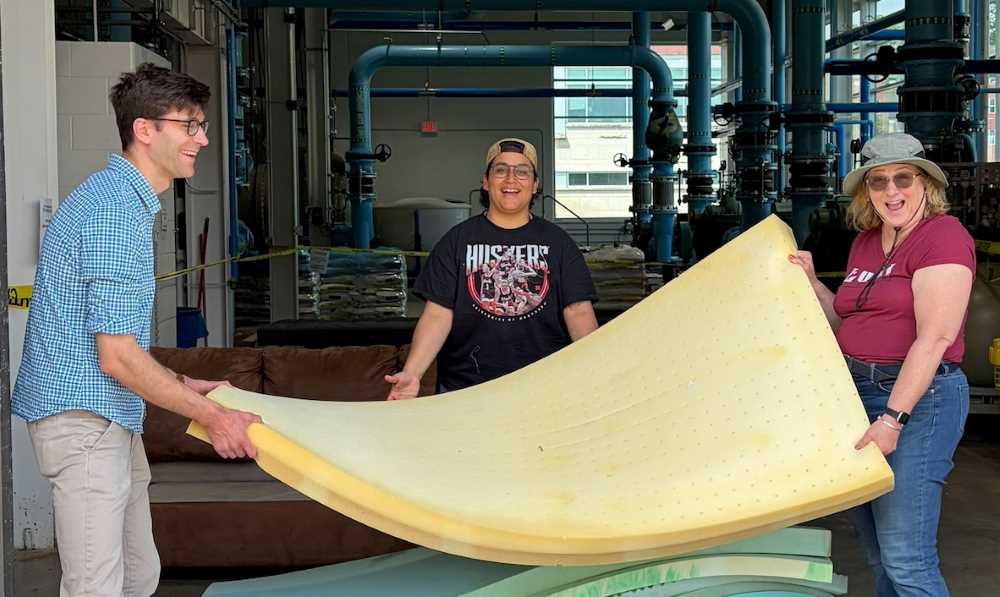
Campus program keeps hundreds of usable items from landfills
Storage bins, area rugs and futon sofas. Even a small artificial Christmas tree with a lingering pine scent.
All were quickly claimed after being set aside during UW-La Crosse's Reduce, Reuse, Reimagine Campus Move-Out program — items that otherwise may have ended up in a dumpster.
"It's always a bit jarring seeing items that look brand new headed for the dumpster," says Andrew Ericson, '22, UWL sustainability program manager and one of the program's coordinators. "It feels good to save those from that fate."
Since originally launching in spring 2024 in partnership with Habitat for Humanity of the Greater La Crosse Region, the program now in its third year, has diverted 1,652 items from dumpsters and landfills, giving them a second life through reuse.
This year alone, UWL collected 525 items during move-out week, May 12–15. Of those, 454 found new homes, resulting in an 86.5% landfill diversion rate.
The majority of rehomed items — 376 — were claimed directly by students, employees and community members at campus collection sites. Another 78 items were donated to charitable organizations, including Habitat for Humanity, The Exchange, YWCA, Goodwill and What I Need Now (WINN).
The number of items rehomed directly to individuals more than doubled from 186 last year to 376 this year.
Ericson says the program's popularity reflects both practical needs and changing attitudes toward secondhand goods.
"There is a desire to use secondhand items and to thrift," he says. "We saw groups of students coming by every day looking for their 'treasure.' Others were preparing to live off campus and needed items to help with that transition."
The appeal of free items doesn't hurt, either.
"There's something about free stuff that gets people excited," Ericson says. "I'm not sure I love that from a sustainability perspective, but it is what it is."
Volunteers from across campus helped sort donated items and assist students and community members at collection sites throughout move-out week.
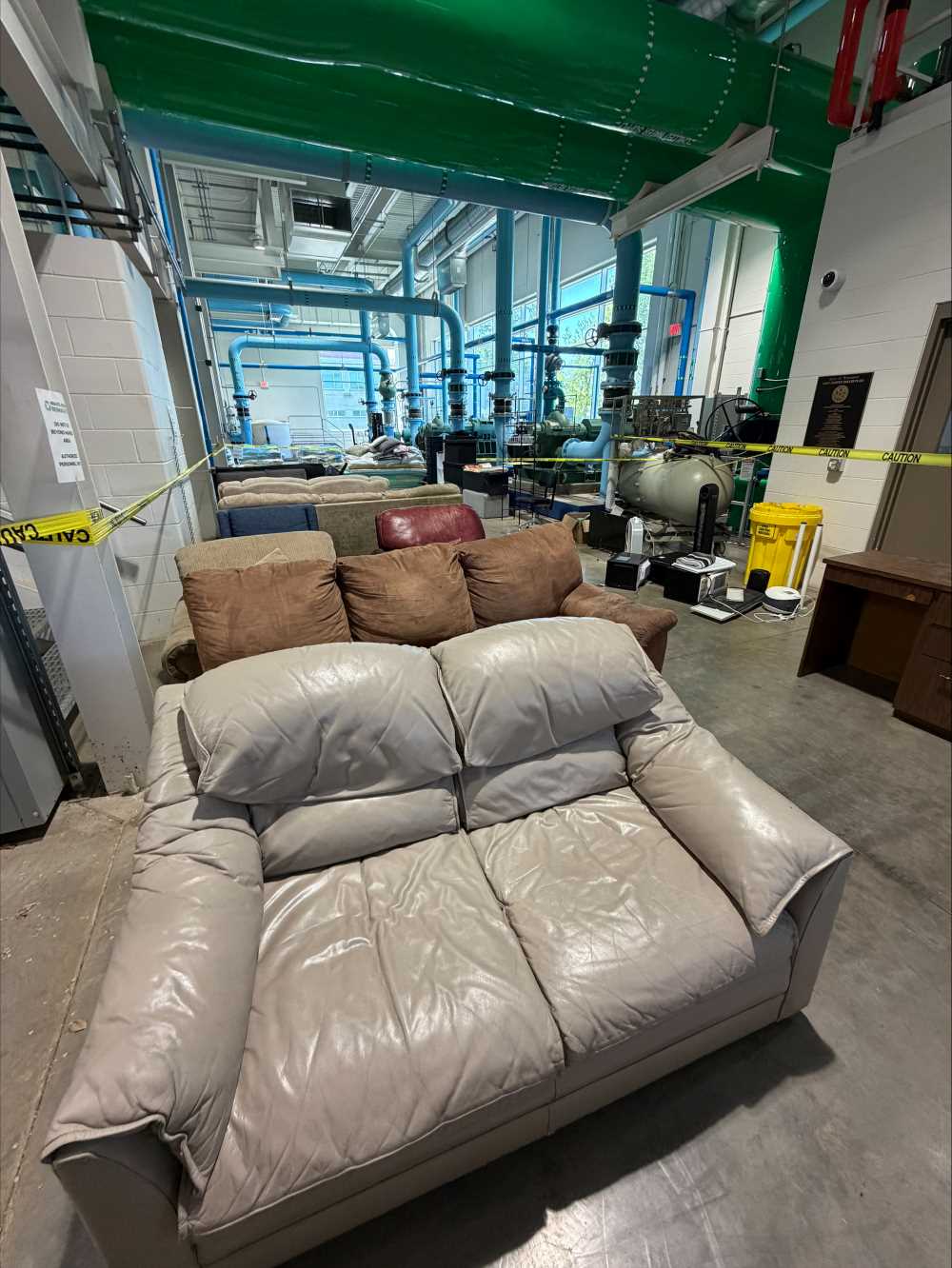
By encouraging reuse, the program helps lessen the environmental impact of move-out while promoting more responsible consumption and disposal habits. The effort also supports UWL's broader sustainability goals.
"Sustainability means maintaining ecological, social and economic systems so that present needs are met without compromising the needs of the future," Ericson explains.
Programs such as Reduce, Reuse, Reimagine create environmental benefits while also providing social and economic value, whether by supporting charitable organizations or helping individuals obtain useful household items at little or no cost.
Even so, Ericson notes that campus move-out generates a significant amount of waste, and there is still work to be done.
"The amount of waste generated is shocking," he says. "I think there are operational ways to improve our program and make more progress, but very frankly there is also a need for further cultural change. We've become comfortable purchasing short-lived consumer goods and throwing them away without considering the resources that went into producing them. In short, we are still compromising the needs of the future through the systems of today."