Posted 10:45 a.m. Tuesday, Jan. 27, 2026
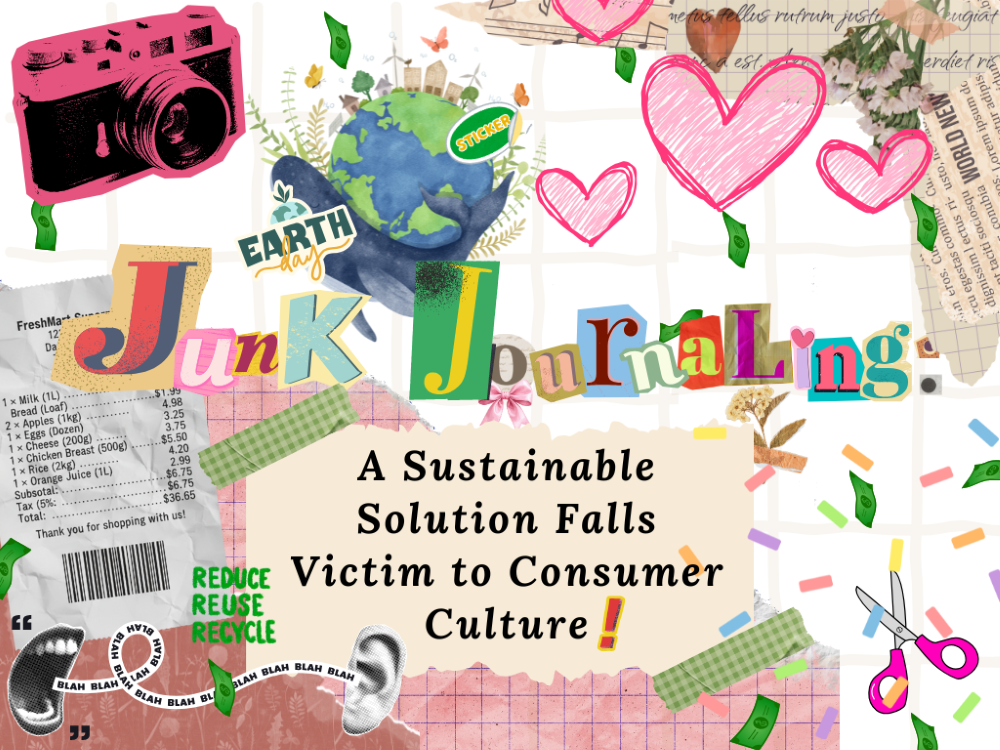
A sustainable solution falls victim to consumer culture
"Junk journaling" took the world by storm. An innovative, new way to practice both emotional and environmental wellness, using our trash to create meaningful art. Not only is this a unique way to reuse waste, but there are also data-proven benefits. Evidence shows that there are numerous positive health effects that come from crafting and creating, including stress reduction, increased cognitive function, and emotional regulation (Wilson, 2025). Unlike traditional scrapbooks, which have pages meticulously planned out, junk journaling thrives off the boundless nature, the lack of structure. Best of all, junk journaling is an affordable and accessible way to get into journaling - all you need is paper, glue, scissors, a pen, and your trash. People take their scraps, their ribbons and receipts, their stickers, their tickets, old mail and magazines and instead of the traditional path to a landfill, reroute them into pages of mementos. Collages, recapping a day or month, or a moment through junk. Yet, in this day of fads and trends, junk journaling found itself in the wrong kind of spotlight.
Now trending on social media, this sustainable practice began to fall victim to overconsumption. People would buy stickers, washi tape, different colored pens, sticky notes, etc. in masses. Junk journaling quickly became a manufactured and manicured event with subtle class divides - not only who can afford to buy all these extras, but who has the time to curate these perfectly aesthetic pages. What started as a way to repurpose waste while diving into the sentimental potential of the stuff that fills up our days has turned into the exact thing it was hoping to fight against: overconsumption. Companies saw a way to profit and people saw an easy way out. A treasure hunt for remnants of forgotten memorabilia gets replaced by a quick Amazon search. With this inauthentic version of junk journaling quickly taking over, the hobby becomes less about mental well-being and more about buying the trendiest items, showcasing our material culture in our journals instead of precious memories (Phillips, 2025).
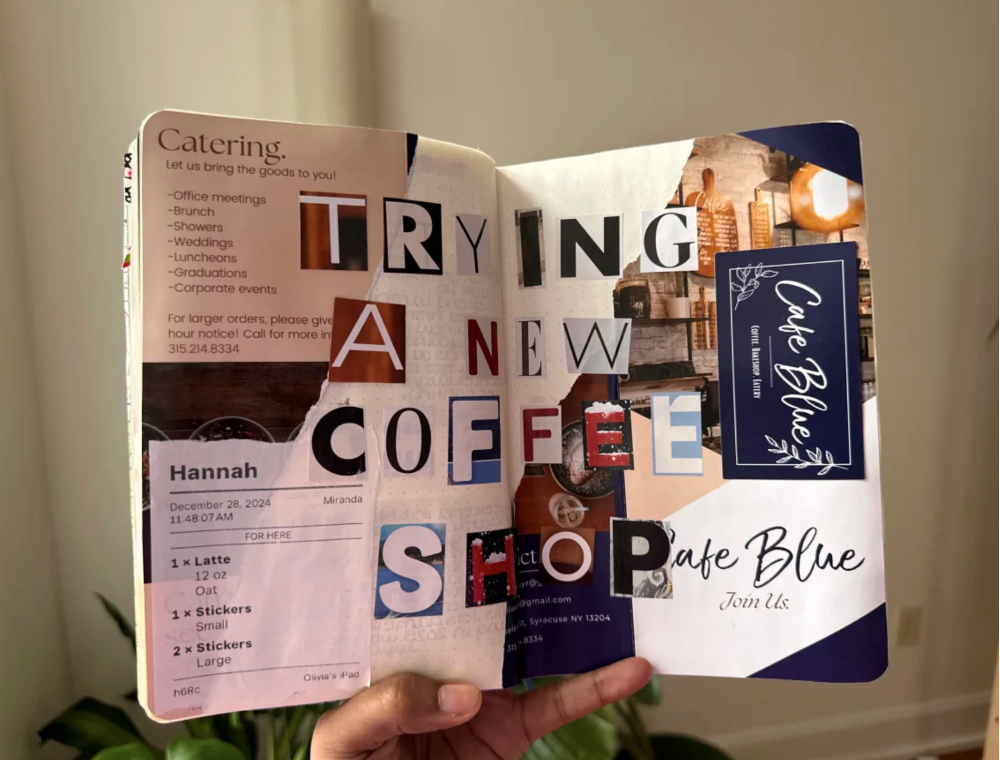
However, like any trend the popularity will peak and fall. When the market has been far too saturated with junk journaling products, attention spans will quickly fade to the next shiny trend. Until that moment happens and far beyond when it does, it’s important to not let the original intent of the craft die off. Before the fame and the popularity, junk journaling was a low-cost, sustainable way to repurpose scraps. The benefits for mental well-being and the grounding nature of creating art is more important than any of the noise and the ever-alluring nature of consuming. If it’s something you enjoy, if it's something that helps you, stick to it. Continue to uncover beauty in the mundane. And continue to block out the pressure to buy. Most importantly, don’t lose yourself (or your junk journal) in the pressure to consume. In a world full of cheap shortcuts and single-use everything, there’s such deep satisfaction in finding a second purpose for trash and creating something priceless with your own two hands.
Maddie Stephani, Student Life Preceptee
Explore another take on "Junk Journaling": https://www.cnn.com/2025/01/25/us/junk-journaling-benefits-wellness-cec