Posted 11:59 p.m. Thursday, April 30, 2026
Reflecting on the past and continuing the work to end sexual violence
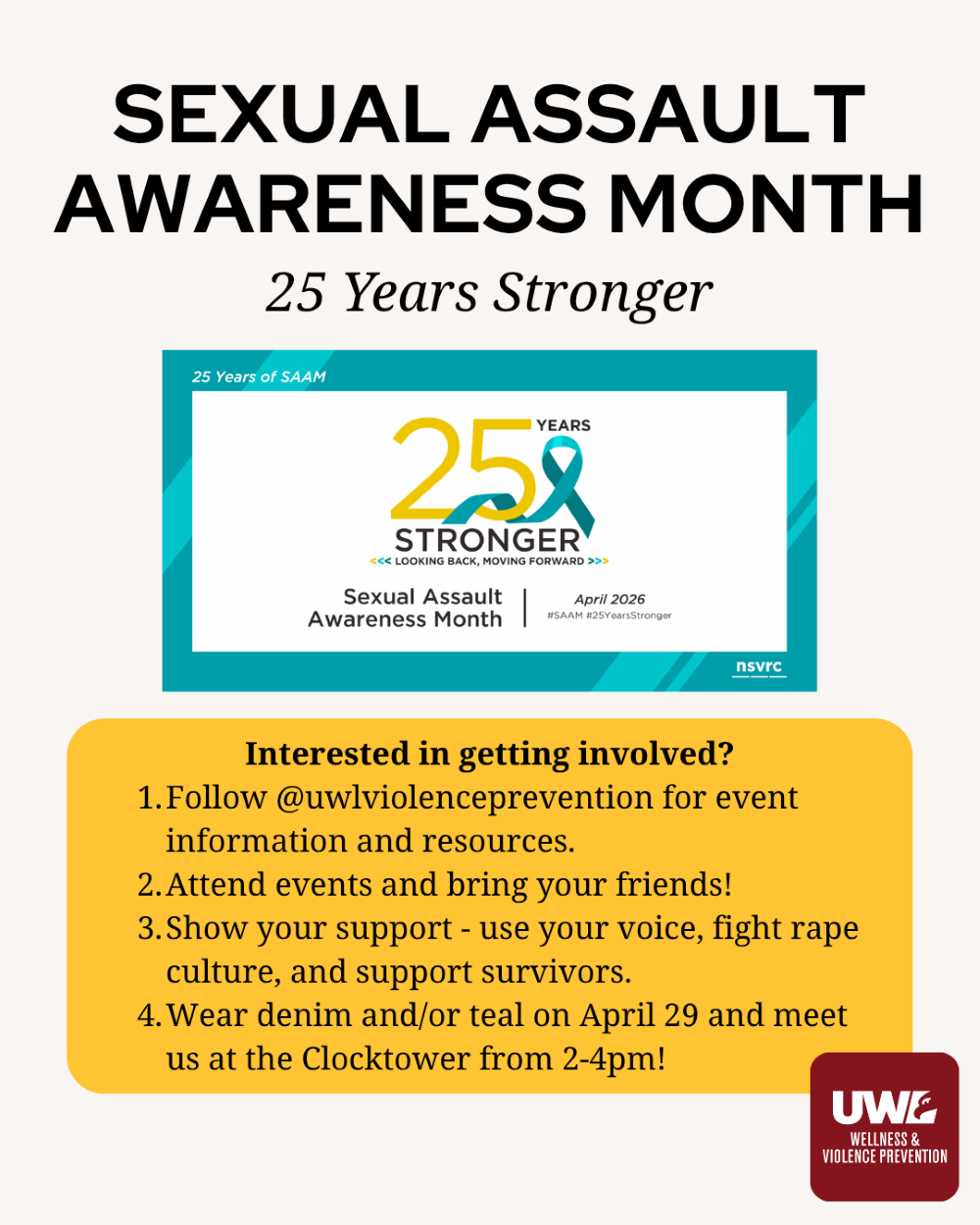
Spring in college is one of the greatest times of the year. Piles of snow are replaced by blooming flowers, the noise of snowplows is now eclipsed by soft spring rain. College students prepare not only for finals and projects, but also for days at the beach and dinners on patios. Spring is a time of growth, new beginnings, and some endings (for college seniors). It’s an exciting time filled with angst for summer, stress of exams, excitement, nerves, and everything in between. Spring is also home to Sexual Assault Awareness Month (SAAM), which takes place every April. This year's theme is 25 years stronger: looking back, moving forward. In honor of that, I’d first like to take a look backwards at the resilient survivors who fought for the change that has brought us to today.
Despite officially only being active for 25 years, the culture that started SAAM has been alive for much longer, with the movement gaining real traction in the United States starting around the 1940s and 50s. Open discussion of sexual violence was much more limited and taboo during this time, civil rights activists began to change this status quo, for the better.
Progress during this time was championed by black women and women of color. Well known advocates like Rosa Park worked at the intersections of race-based and gender-based violence (a framework that would later be coined as intersectionality by Kimberly Crenshaw).
Progress continued steadily forward, with social activism and heightened awareness. It was in the 70s where major tangible progress could be documented. The first rape crisis center was founded in 1971, in San Francisco, California, the same city where the first United States Take Back the Night event would be held 7 years later.
In the following decades, mobilized advocates and survivors would petition for both legislation and funding to support survivors, earning a win with the Violence Against Women Act of 1993 (VAWA). Monumental traction, like VAMA, illustrated that national efforts fighting for sexual violence prevention were not only needed, but worked. Previous to the first national SAAM event (observed in 2001), advocates had been holding events and marches related to sexual violence during the month of April.
In 2000, the newly launched National Sexual Violence Resource Center (NSVRC) and the Resource Sharing Project polled multiple sexual violence coalitions on preferred color, symbol, and moth in hopes of coordinating their efforts into one large movement. The teal ribbon won the popular vote and has now become synonymous with Sexual Assault Awareness Month.
After its official inception, the primary goal of SAAM was to raise awareness, however by the mid-2000’s, SAAM incorporated more prevention efforts, focusing on communities, workplaces, and college campuses. These campaigns discussed ways to stop sexual assault before it happens through behavior change and promoting respect. In more recent times, SAAM has combined these two themes to be cornerstones of each year’s campaign (NSVRC).
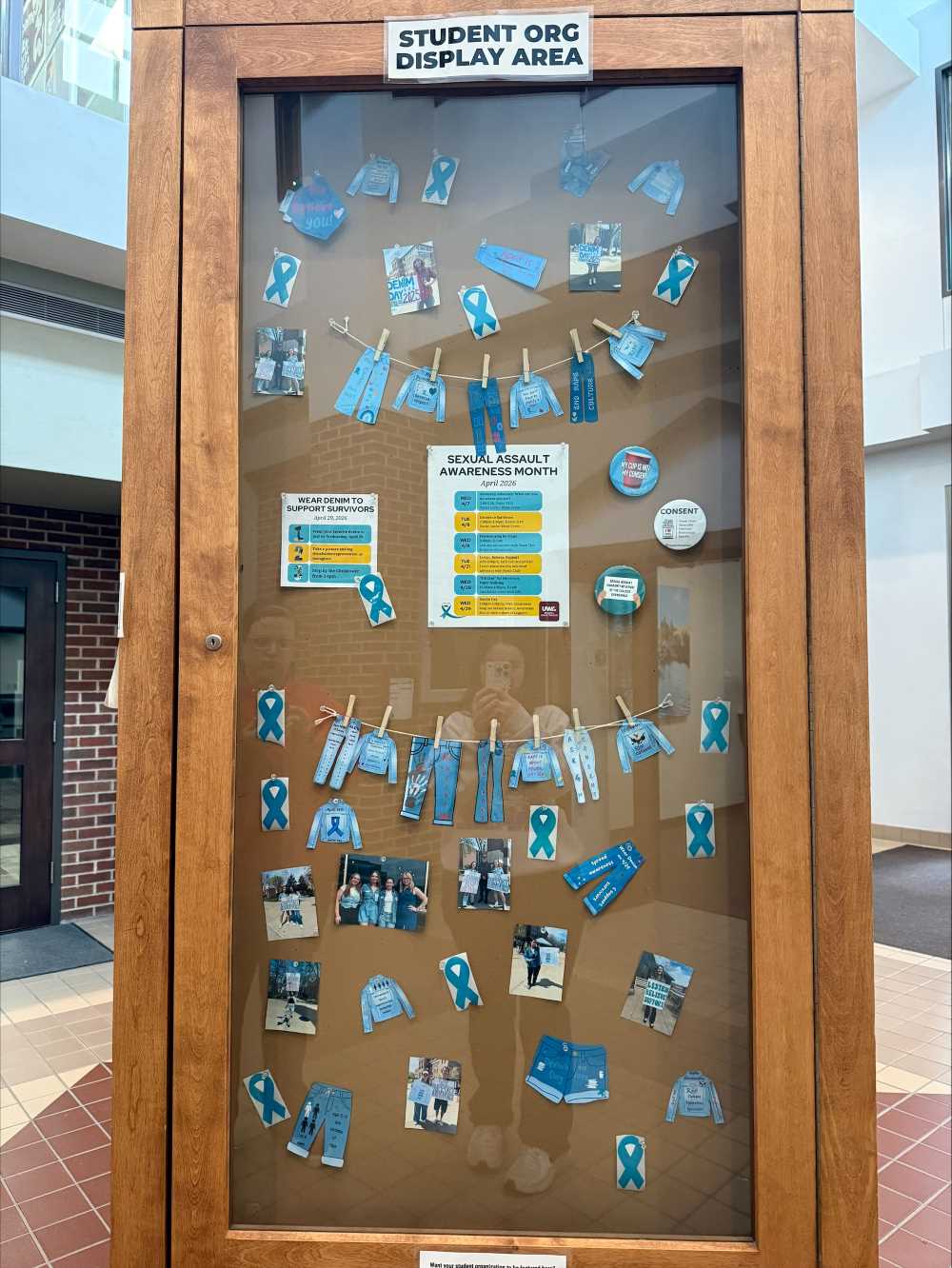
As we look forward to the next 25 years and beyond, one thing the history of SAAM has taught us is that no matter the times we’re living in, courageous advocates will continue to live in their values and stand up for what is right. Throughout Blythe’s years at UWL as Violence Prevention Specialist, this is something she has prided herself on. This year, Violence Prevention has been working create a series of events that not only honor and bring awareness to survivors, but also work to actively end rape culture, because while some of us vast in the Spring sun, getting ready for a night with friends, many are dealing with the silent struggle and isolation and guilt that comes with surviving sexual assault and harassment.