Posted 1:27 p.m. Thursday, Oct. 1, 2026
UWL’s PT program: evolution, research and the people who made it possible
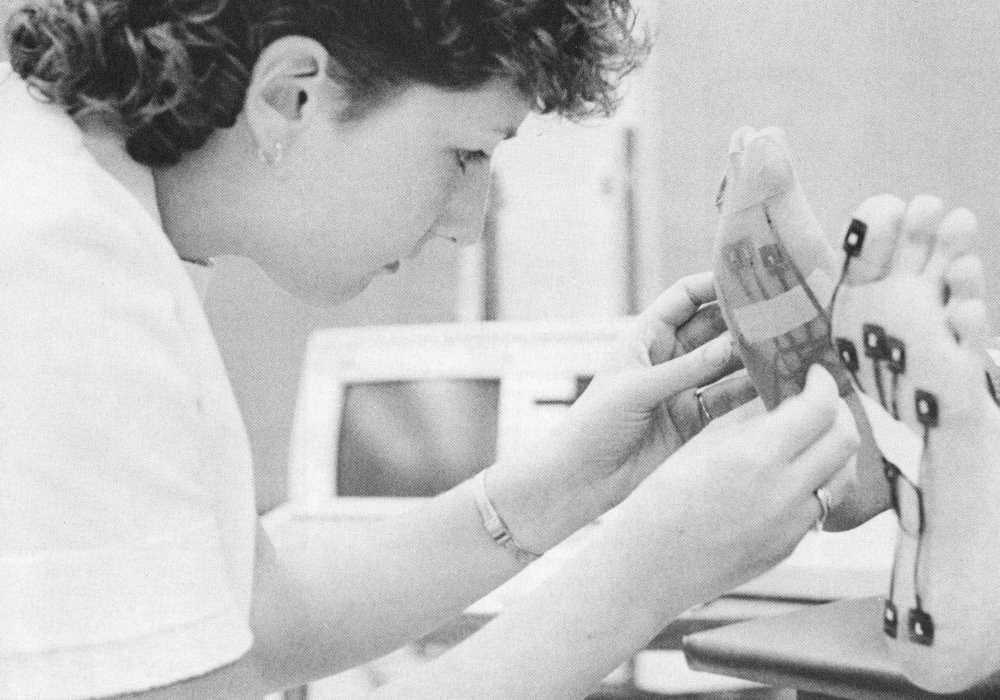
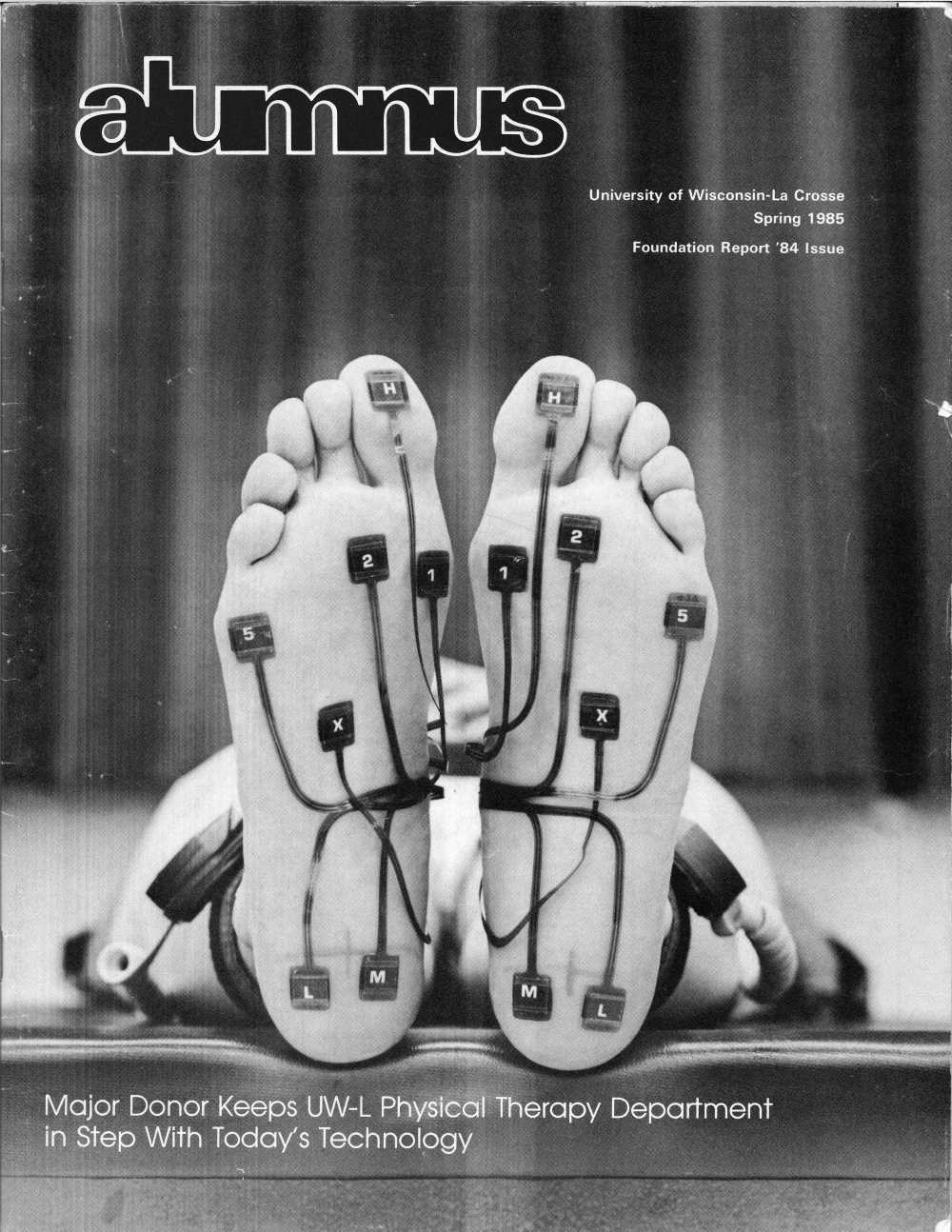
UW-La Crosse’s 1985 alumni magazine features someone’s feet.
Covered with small electrodynogram sensors, they are the subject of research for a team of physical therapy students.
At the time, these sensors were cutting-edge, measuring ground reaction forces as a subject walked across the room. They helped researchers and clinicians identify abnormal forces and movement patterns that could contribute to injury or balance problems.
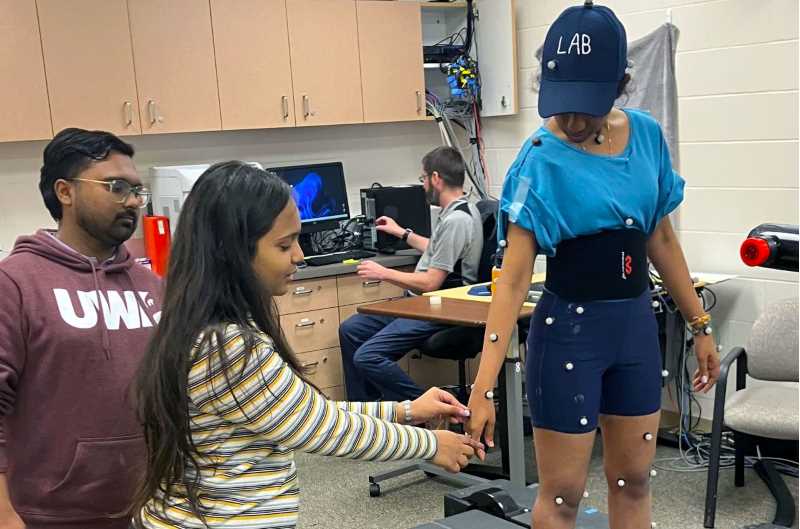
Today, physical therapists have access to more sophisticated technologies such as three-dimensional motion capture and computerized force platforms to analyze human movement. But in the 1980s, this cover story featured the emerging technology of the time that gave physical therapy students experience with tools relevant to their future.
The equipment was made possible through the generosity of the late UWL alumnus Robert “Bob” Strzelczyk and his wife, Judy. The couple established the Strzelczyk Physical Therapy Fund, which has long supported equipment, research, scholarships and other needs of UWL’s physical therapy program.
Strzelczyk died in 2004, but his family’s support continues today, helping fund physical therapy lab equipment, research, learning experiences and student scholarships. In fact, a focal point for UWL physical therapy research on campus today is the Strzelczyk Clinical Biomechanics Laboratory, the central hub of the La Crosse Institute for Movement Science (LIMS).
UWL’s physical therapy program success has always been fueled by people like the Strzelczyks who believed in the value of the program and wanted to help ensure future generations have the same opportunities.
For Patrick Grabowski, UWL’s physical therapy program director, that connection between a meaningful educational experience and a desire to give back is one of the things that has helped the program thrive.
A culture of giving
The Strzelczyks are not the only donors who have invested in UWL physical therapy. The program has been supported by generations of alumni, current and former faculty, staff, and in memory of students and alumni whose lives were touched by the program. Even current students have found ways to give back.
Brandon Murphy, a 2026 graduate, was still earning his physical therapy degree from UWL when he suggested that his extended family direct its holiday charitable giving toward the UWL physical therapy EXPAND program. EXPAND connects physical therapy education with community needs, helping adults with neurological conditions improve their health, mobility and overall wellness.
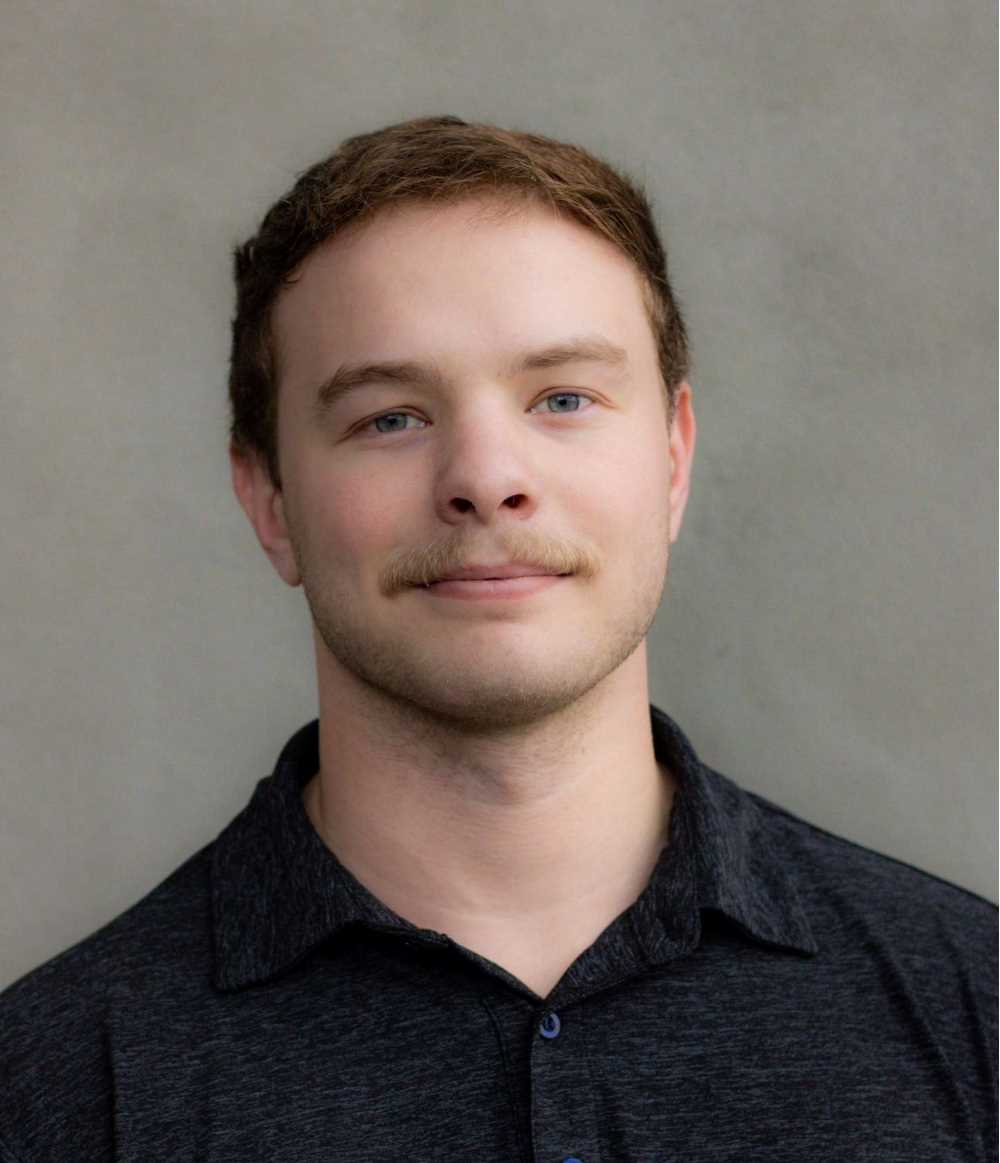
As a student, Murphy had seen the positive impact of the program firsthand both for PT students and community participants. Some of Murphy’s family members also secured employer matches and their donation allowed program the flexibility to purchase new machines and upgrade other equipment based on the needs of participants.
“Being able to give back to a school and instructor developed program that supports individuals with neurological impairments felt especially meaningful to me,” says Murphy. “It was a way for my family to support a program that I had personally seen make a difference in the lives of others.”
Research takes root
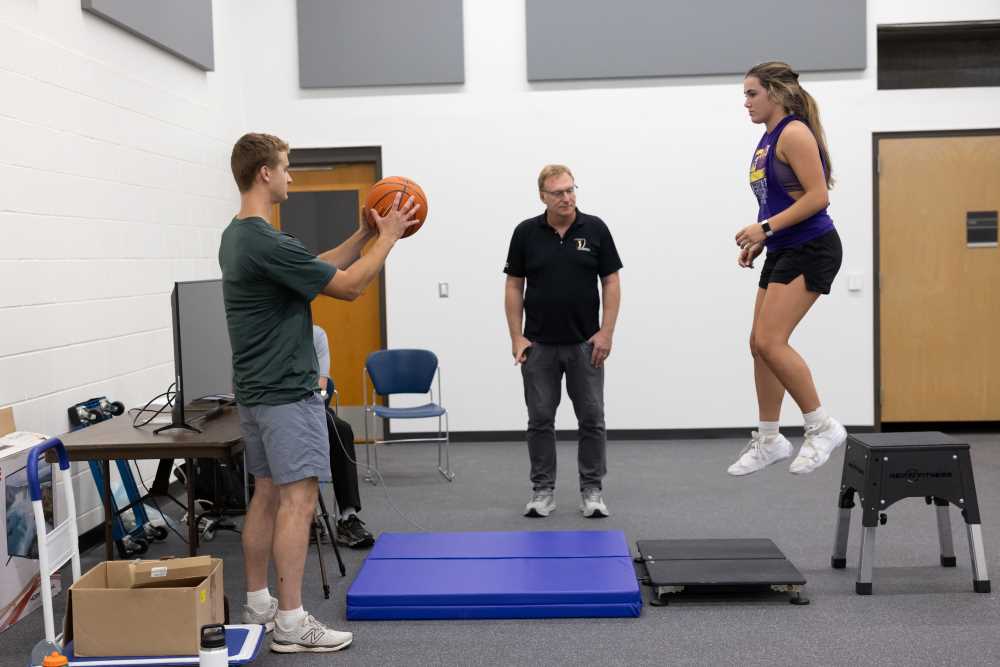
Tom Kernozek, professor and chair of UWL’s Health Professions Department, says the Strzelczyk Physical Therapy Fund, along with a more recent gift from Ron and Jane Rada to the Gundersen Medical Foundation, has helped provide the resources needed to conduct advanced, collaborative research in sports medicine.
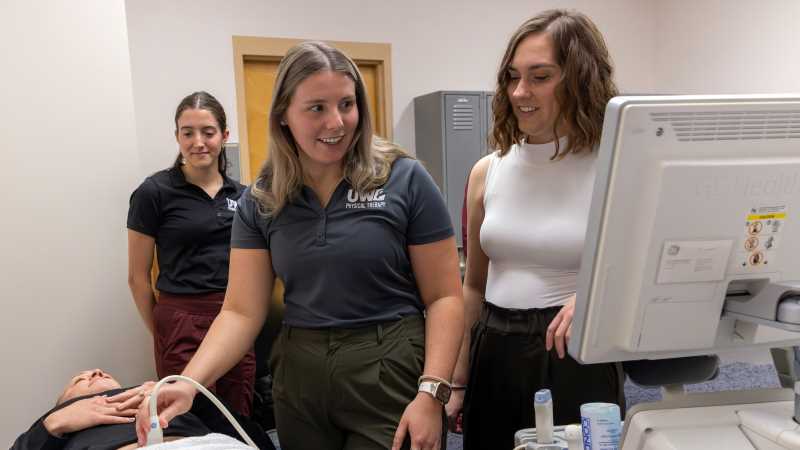
Much of that work takes place in the La Crosse Institute for Movement Science, or LIMS, a Health Science Center laboratory filled with motion analysis cameras, force plates, pressure sensors placed in footwear, and other wearable technology used to assess human movement. Faculty and student researchers use the lab to study people performing a wide range of movements such as running, jumping, squatting and exercises often performed in clinical settings.
Established in 2005, LIMS brings scientists and clinicians together to study human movement and its role in injury prevention and rehabilitation. It also provides UWL students with opportunities to participate in research and contribute to the scientific literature with a faculty mentor.
Since its creation, LIMS has generated more than 100 published studies, with more than 100 students serving as co-authors. Many of the studies have focused on understanding and preventing knee injuries.
“It’s fun to see if you can solve problems that no one else has found the answer to,” Kernozek said in a 2019 La Crosse Tribune feature about his research.
Research has become a defining part of the UWL physical therapy experience — but that commitment began long before LIMS opened its doors.
Early UWL physical therapy faculty members, including George Davies and Jim Gould, recognized the importance of research and evidence-based practice at a time when those concepts were not yet central to the profession, Grabowski says.
The Journal of Orthopaedic & Sports Physical Therapy (JOSPT), now one of the profession’s most influential research journals, originated at UWL. In its early days, manuscripts were mailed to Cowley Hall, where faculty processed each manuscript and selected reviewers to determine if each paper was worthy of publication.
“In many respects, the program not just responded to where the profession is headed, but has helped to lead it there,” says Grabowski.
When Kernozek joined the faculty in 1996, it was relatively uncommon for a clinically focused professional program to hire a nonclinical research scientist as a core faculty member.
“That decision demonstrated tremendous foresight and set the stage for decades of impactful scholarship at UWL,” Grabowski says. “Dr. Kernozek’s contributions to biomechanics and movement science have had a lasting influence not only on UWL, but also on the broader physical therapy profession.”
Kernozek says LIMS helped further establish a culture in which faculty-mentored research became an important part of the student experience at UWL.
“LIMS fostered a clinical research culture among our faculty and students,” he says. “Facilities and lab spaces with the latest technology were created to sustain such faculty-mentored research.”
That culture continues today. In the past two years alone, more than 20 UWL students have presented original, faculty-mentored research at national conferences, including the American College of Sports Medicine’s annual meeting and the American Physical Therapy Association’s Combined Sections Meeting.
As research expanded, so did the curriculum. The program added coursework in biomechanics, instrumentation, and technology used to assess human movement, along with additional research-focused courses. Students are exposed to emerging technologies in the laboratory, some of which have progressed from research tools to standard instruments used by practitioners.
Shaping the profession
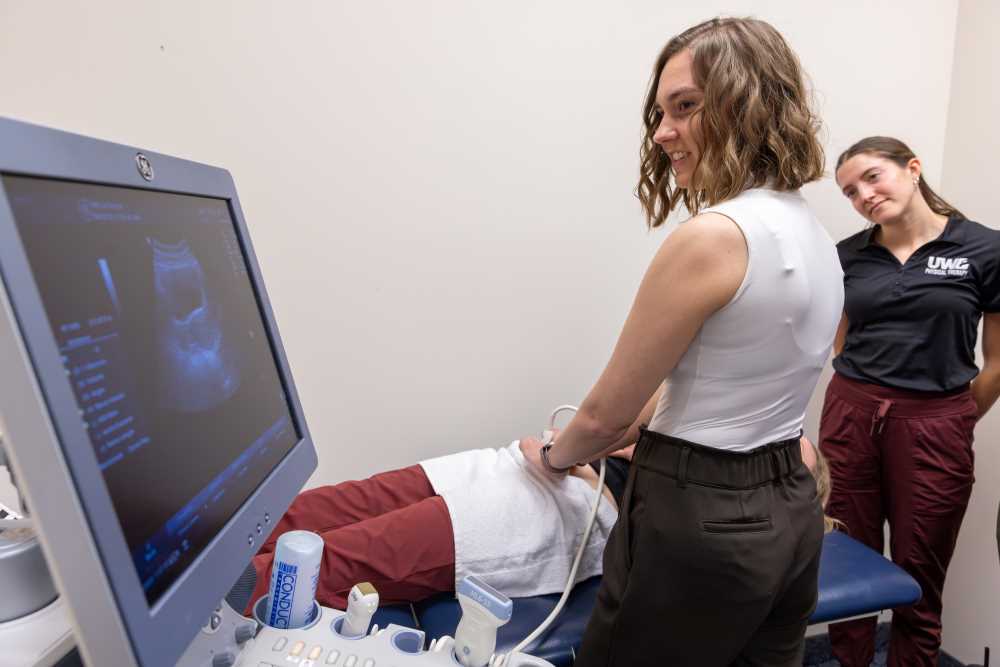
Physical therapy has evolved considerably over the past 50 years. As the profession has become increasingly evidence-based, UWL’s program has evolved with it. The program increasingly emphasizes the development of evidence-based practitioners and clinical scientists — graduates who can adapt throughout their careers, critically evaluate new information, and provide care that reflects the best available evidence.
That preparation is strengthened by faculty members who are actively engaged in research and often involve students in their work.
Paul Reuteman, UWL clinical professor of Health Professions, for example, developed one of the first radiology courses for physical therapists in Wisconsin and was instrumental in efforts to expand physical therapists’ role in medical imaging, including the ability to order radiographs within physical therapy practice.
UWL’s program also was among the first physical therapy programs in the country to incorporate dry needling into its entry-level curriculum. Faculty research presented at national conferences has demonstrated that physical therapy students can learn the technique safely and effectively with appropriate education and supervision.
More recently, Lisa VanWiel, assistant professor of physical therapy, developed entry-level curriculum in pelvic health physical therapy. The coursework provides students with foundational knowledge in a growing specialty area and prepares graduates to pursue advanced training while helping address workforce needs.
The program also continues to adapt as physical therapy expands into new models of care.
Erica Rosemeyer, clinical assistant professor of physical therapy, helped develop physical therapy services in the emergency department at Tomah Health, one of the program’s regional health care partners. Now a member of the UWL faculty, she brings that experience into the classroom, helping students understand emerging approaches to physical therapy practice.
“Throughout its history, the UWL Physical Therapy program has continually adapted to meet the changing needs of the profession and the patients we serve,” Grabowski says. “Whether through degree advancement, research leadership, expanded scope of practice, or the development of new specialty areas, our goal has always been the same: to prepare graduates not just for the profession as it exists today, but for the profession it will become tomorrow.”
Growing to meet demand
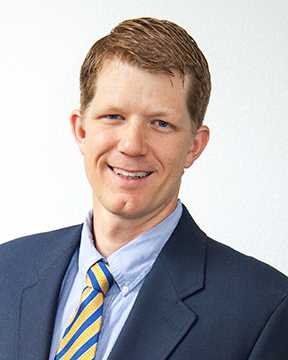
The evolution of the program has also included significant growth.
Expansion of health professions programs in 1998 and again in 2025 increased the number of students and faculty involved in physical therapy and other health professions programs, helping address Wisconsin’s health care workforce needs.
The first expansion coincided with the creation of the Health Science Consortium and the opening of the Health Science Center. A 2025 UW System expansion further increased the number of students and faculty in the program, Kernozek says.
Despite that growth, UWL’s physical therapy program continues to attract substantially more applicants than available seats.
Grabowski attributes that demand in part to a culture faculty and staff have intentionally built — one that combines high academic expectations with strong personal connections.
“Our faculty truly get to know the students, and the students get to know us,” Grabowski says. “We are invested in their success, both professionally and personally. That combination of academic rigor and genuine personal connection creates a learning environment that students recognize and value.”
Students and alumni also frequently point to the value of a UWL physical therapy education, Grabowski says. Strong student outcomes combined with relatively affordable tuition have helped establish the program’s reputation as an attractive option for aspiring physical therapists.
“In an era when many graduates face substantial educational debt, students and their families are increasingly looking closely at return on investment,” Grabowski says. “UWL offers what I believe is one of the best value propositions in physical therapy education anywhere in the country — a program with an outstanding reputation, excellent student outcomes, and a cost that is significantly lower than many comparable programs.”
As UWL’s physical therapy program celebrates 50 years, its next chapter is already taking shape.
The program has historically built strengths in biomechanics, orthopedics, and sports medicine. While those areas will remain important, faculty also look to expand research and education into emerging and interdisciplinary fields such as pelvic health, metabolic health, human performance and exercise physiology — fields that are increasingly recognized as essential contributors to movement, function and overall health, says Grabowski.
Ultimately, Grabowski hopes the next five to 10 years are defined not simply by growth in size, but by growth in impact.
“I hope we continue to educate outstanding physical therapists, expand access to care through our graduates and clinical partnerships, strengthen our research contributions, and develop innovative opportunities that benefit both our students and the communities they serve,” says Grabowski. “If we can do that while preserving the culture, values, and sense of community that have always distinguished this program, then I believe the future of UWL Physical Therapy is exceptionally bright.”