

Posted 3:14 p.m. Thursday, Dec. 11, 2025
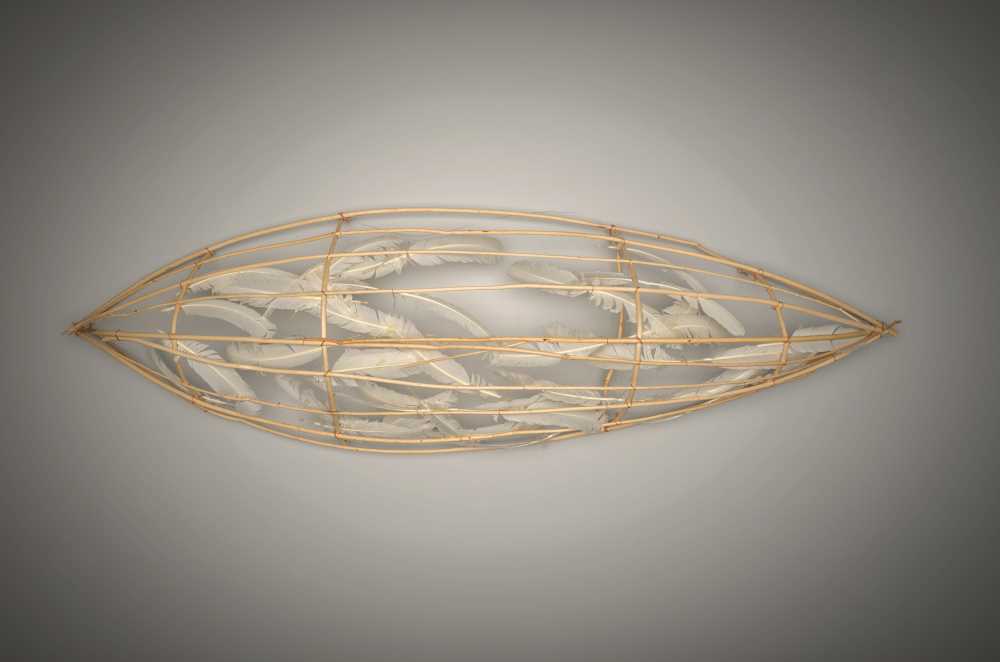
Smithsonian hosts first major retrospective of UWL alumnus and Ho-Chunk artist
The Smithsonian’s National Museum of the American Indian is hosting the first major retrospective of artist and UWL alumnus Truman Lowe — a celebration of one of the university’s distinguished graduates.
Lowe is a familiar name on campus. In 2022, UWL dedicated the Lowe Center for the Arts in his honor, recognizing a lifetime of artistic achievement and leadership. Lowe, who died in 2019 at age 75, graduated from UWL with a degree in art education in 1969. He went on to earn a Master of Fine Arts from UW–Madison in 1973, launching an extraordinary career as an artist, educator and curator.
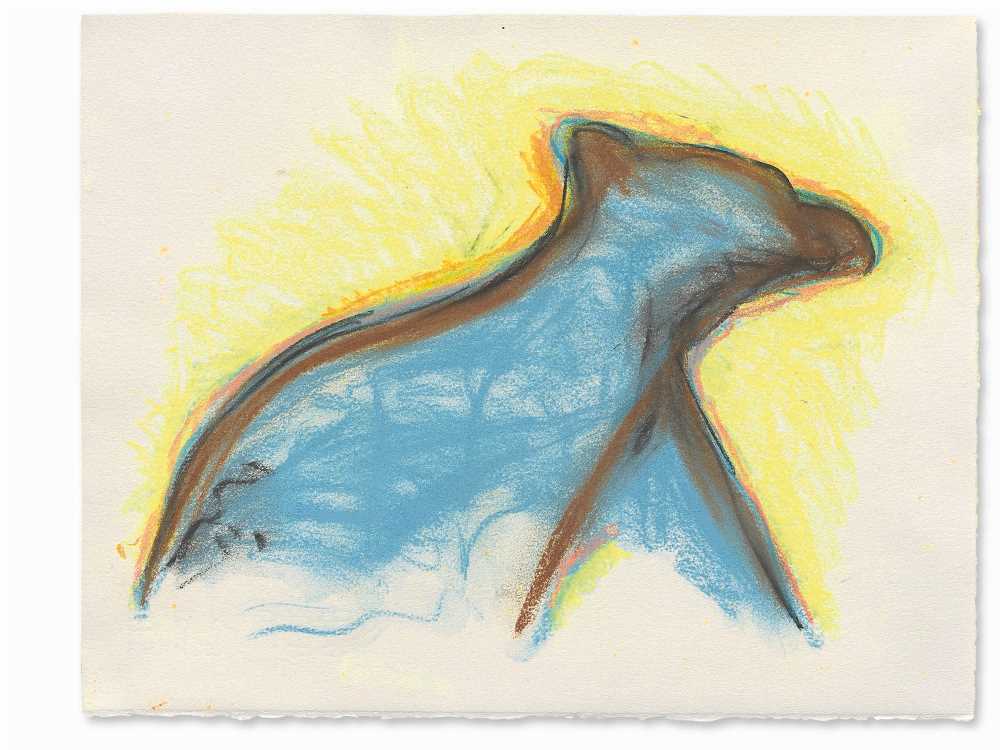
The Smithsonian exhibition, “Water’s Edge: The Art of Truman Lowe,” features nearly 50 works from the Ho-Chunk artist’s career — including sculptures, drawings, and paintings. The exhibit will run through Jan. 1, 2027, at the museum in Washington, D.C.
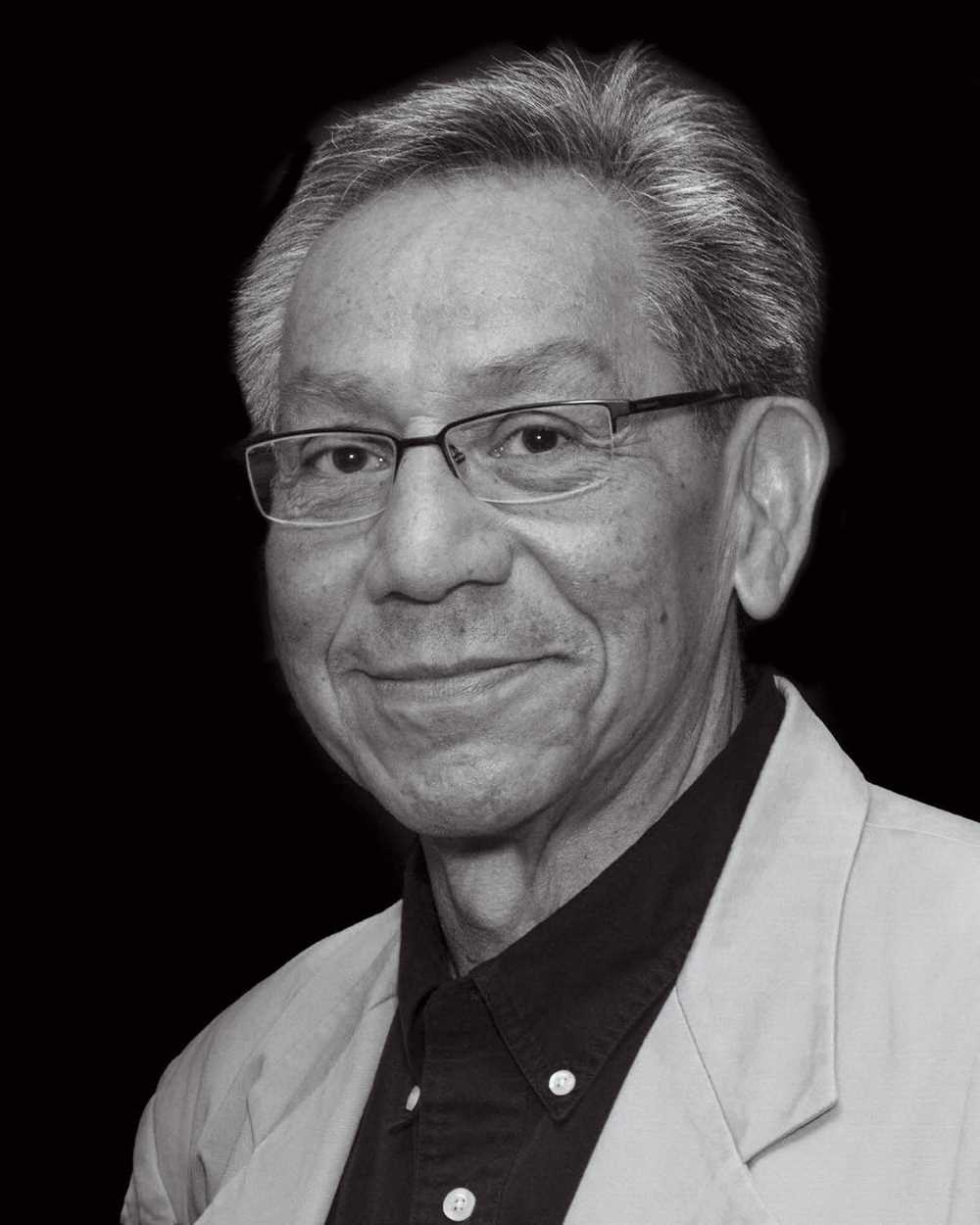
Truman Lowe’s work and legacy continues to shape art education courses at UWL, explains Lisa Lenarz, UWL associate professor of art.
“Within the art education curriculum, Lowe’s work is an invaluable example for its ability to communicate meaning across cultures, histories, and materials while also poetically and purposefully defining them as Hoocąk (Ho-Chunk),” says Lenarz. “When our pre-service education and art education majors connect to Lowe’s work through their shared experiences with water, it invites them to simultaneously look inward and outward culturally to explore deeper meanings.”
Although Lowe explored a wide range of media — painting, ceramics, glassblowing, jewelry-making, and more — he became well known for his large-scale installations. Often constructed from natural materials, his sculptures combine minimalist aesthetics with deep cultural grounding. Wood, in particular, served as his primary medium.
Lowe’s work has been exhibited across the world, from Europe and Africa to South America and major galleries throughout the United States. In 1998, his sculpture “Bird Effigy” was featured in a yearlong White House exhibit. His artistic expertise and discerning eye also shaped the broader field: In 2000, he became the founding curator of contemporary art at the Smithsonian’s National Museum of the American Indian, a role he held until 2008.
“I hope to visit this exhibition,” says Lenarz. “It’s important for K-Higher Ed educators to be familiar with native artists and their work, and to include them in their curriculum, including those from the communities and regions where they live and teach.”
Read more about Lowe’s latest exhibition in Smithsonian Magazine:
With His Sculptures Full of Natural Splendor, Artist Truman Lowe Could Make Wood Look Like Water.