


Nurse Anesthesia NEW VERSION
Become a Certified Registered Nurse Anesthetist
Advance your nursing career — and play a vital role in patient safety, comfort and care.
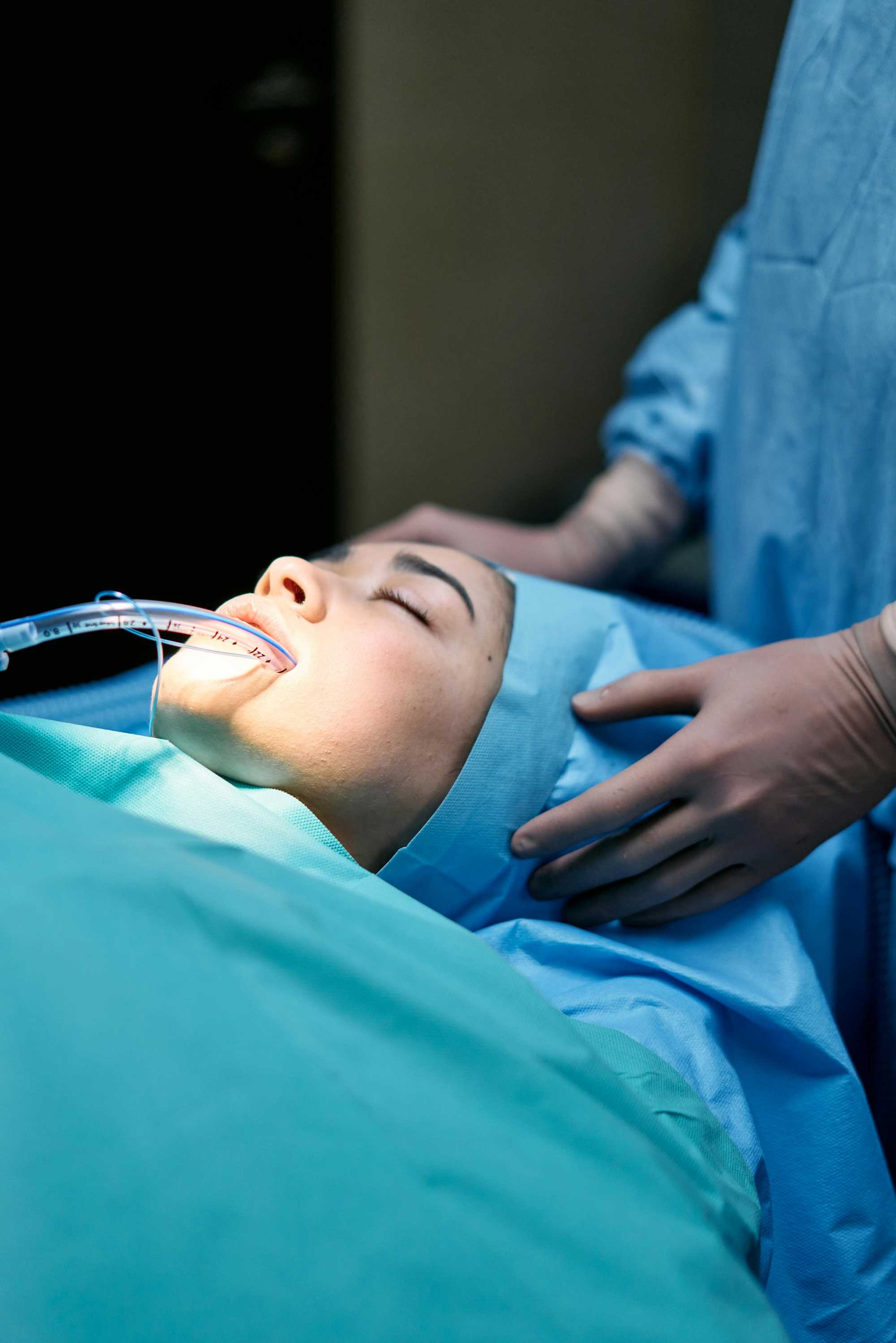
Certified Registered Nurse Anesthetists (CRNAs) are highly-skilled nurses who ensure surgeries and other medical procedures are pain-free and safe, serving as key members of surgical and anesthesia teams.
This nurse anesthesia program can be completed in 36 full-time, consecutive months of study that integrates classroom learning, laboratory study and hands-on clinical training to prepare students for national certification as Certified Registered Nurse Anesthetists.
Learn more about application requirements, curriculum, and admissions on the Mayo Clinic Health System–Franciscan Healthcare School of Anesthesia website.


The program combines academic excellence with extensive clinical experience to prepare students for national certification and professional success. This partnership brings together: Mayo Clinic Health System–Franciscan Healthcare School of Anesthesia, UW–La Crosse Biology Department and Viterbo University School of Nursing.
Upon successful completion, students earn:
- Master of Science (M.S.) in Biology from UW–La Crosse (30 credits)
- Certificate of Completion from Mayo Clinic Health System School of Anesthesia (26 credits)
- Doctor of Nursing Practice (DNP) from Viterbo University (22 credits)
Career outlook
Why choose UWL's program?
The School of Anesthesia is accredited by the Council on Accreditation (COA) of Nurse Anesthesia Educational Programs — recognized by both the Council on Higher Education Accreditation and the U.S. Department of Education.
CRNAs are in high demand nationwide. Over the past five years, 100% of program graduates have been employed within six months of graduation.
The first-time board pass rate is traditionally very high. For the latest exam pass rates visit the Franciscan Healthcare School of Anesthesia - Mayo Clinic Health System website.
The program admits a maximum of 16 students each year, ensuring individualized attention and a close-knit, collaborative learning environment.
- UWL’s graduate courses provide a strong foundation in human biology and the physiological sciences — from anatomy and physiology to chemistry, endocrinology, and electrocardiography.
- Viterbo University’s DNP curriculum complements the science foundation with coursework in ethics, epidemiology, healthcare policy, and quality improvement — preparing students to lead in complex healthcare settings.
The program offers direct access to real-world clinical training. Students can see the connection between their coursework and patient care. Learn more about program curriculum and clinical sites.
Featured courses
Important dates
Applications for the program are accepted from June 1–Aug. 1. For application requirements and how to apply, visit the application process page.
Notification by January the year of enrollment.