


Neuroscience program
Do you want to learn about the brain?
It has been said that more neuronal connections exist in the human brain than there are known stars in the Milky Way, and that the brain remains the final frontier of human exploration.
UW-La Crosse's Neuroscience Interdisciplinary Minor is a joint program between the departments of Biology, Philosophy, and Psychology, designed to help prepare students to explore that frontier. Although the Psychology Department is the administrative home, the minor integrates expertise across all three core departments and other UWL departments offering elective coursework. A neuroscience minor is ideal for students planning to pursue doctoral training in neuroscience, medicine, psychology, neurology, neuropsychology or philosophy.
Current students can visit the Neuroscience Minor information page for details on declaring the minor, advising resources and FAQs.
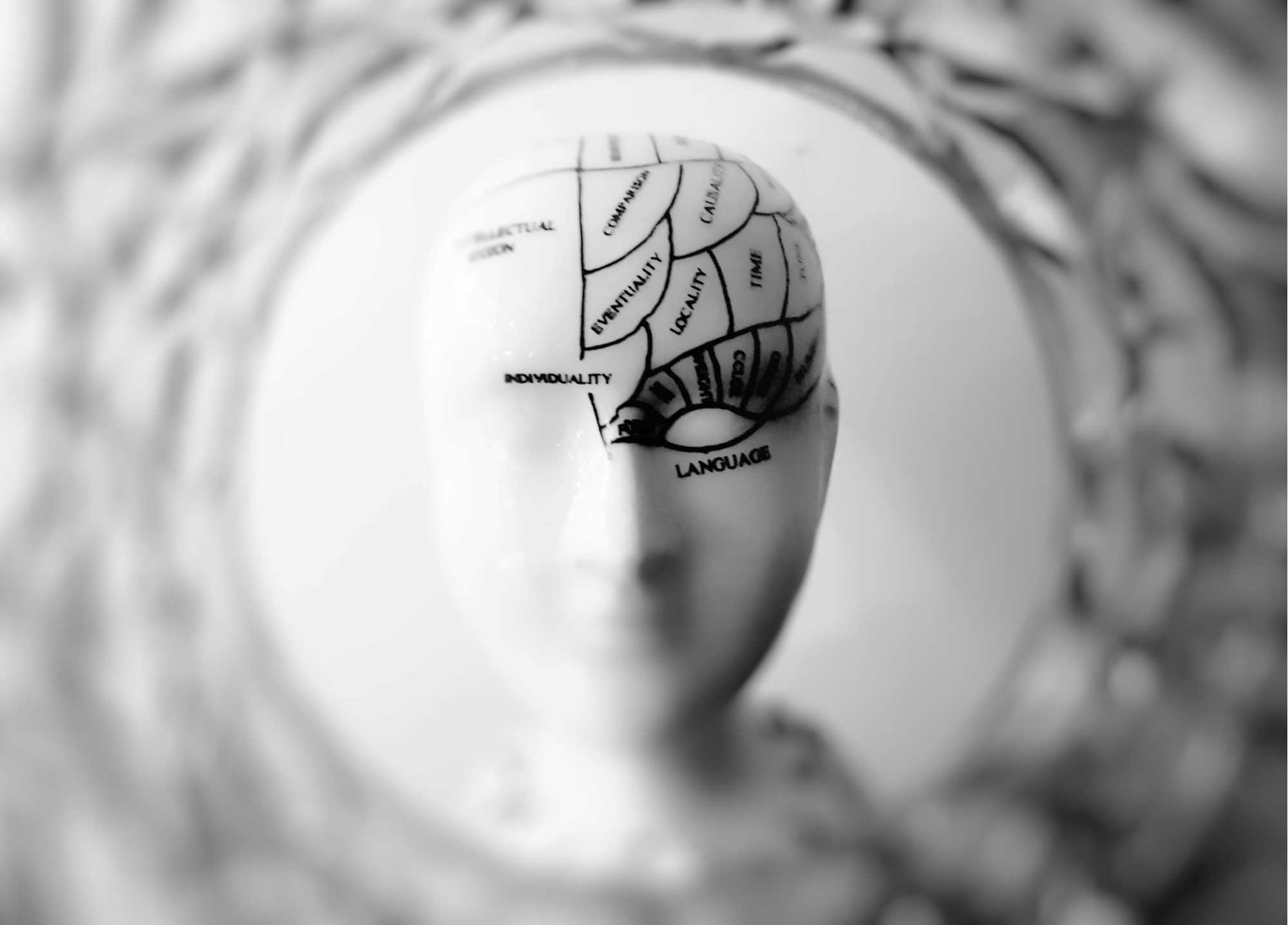
What is neuroscience?
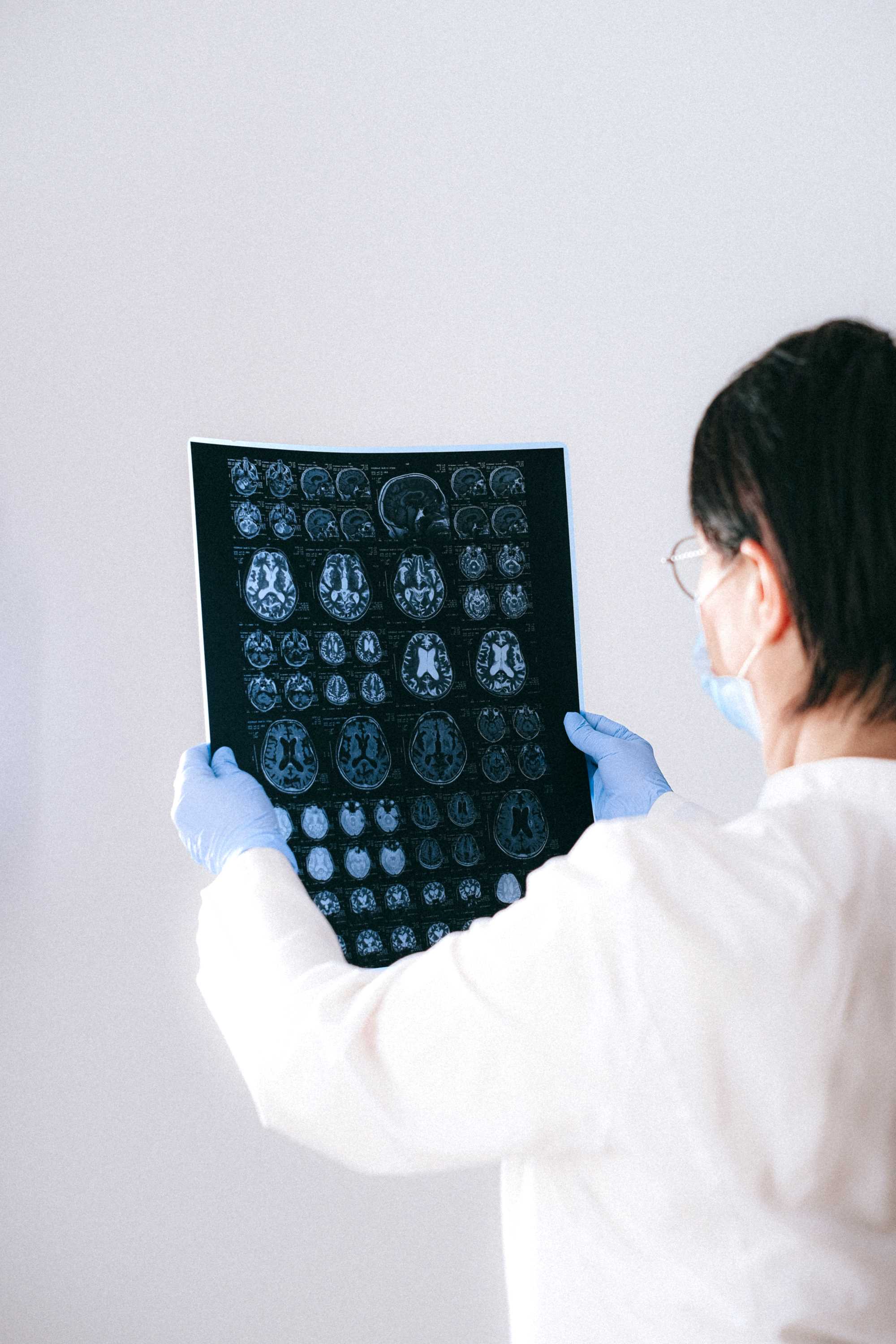
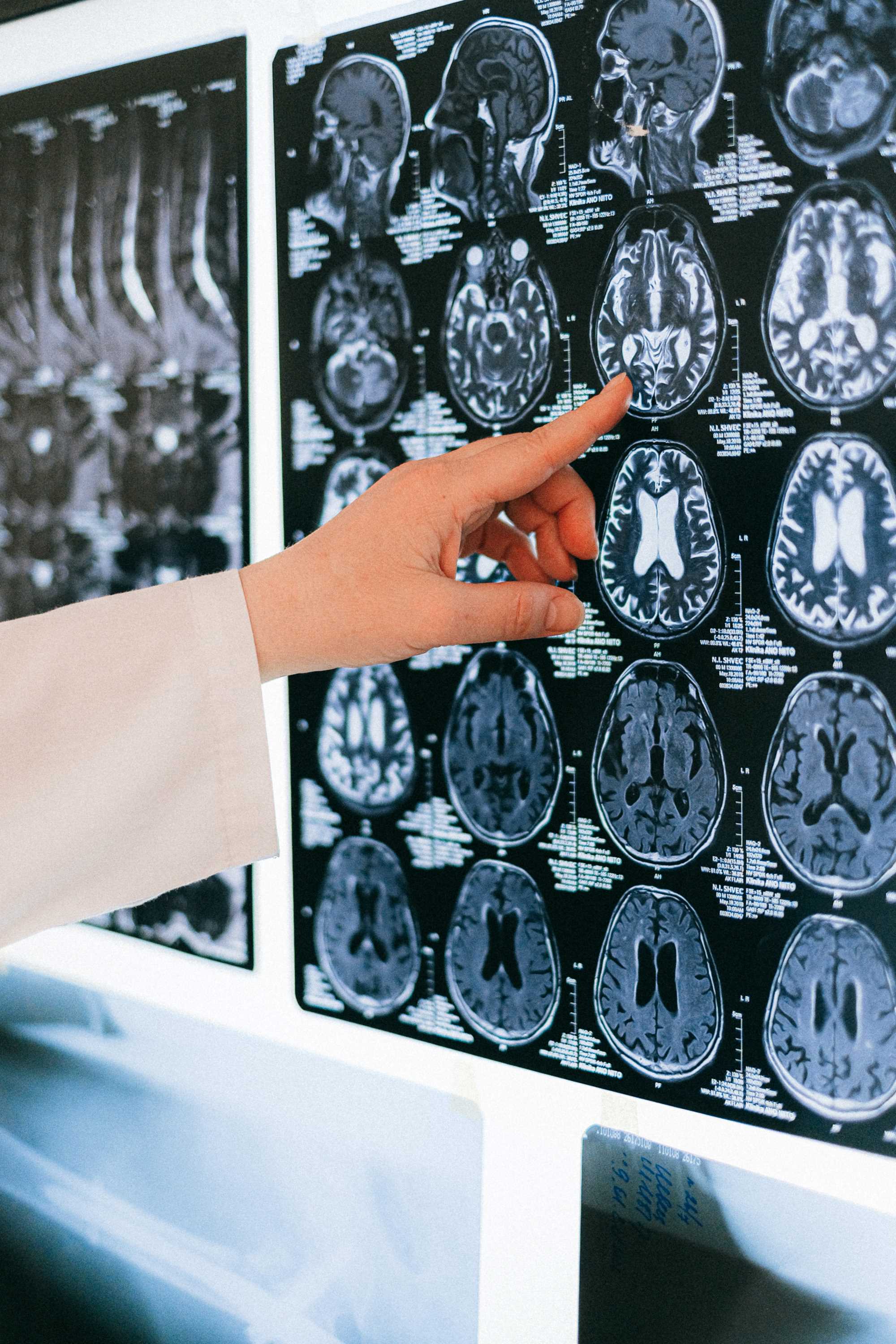
Neuroscience has its roots in philosophical questions about life, human nature and thought. It incorporates biological mechanisms, psychological concepts and core philosophical questions — such as the natural relationship of the mind to the brain or of the self to the other — still remain and drive novel research. These questions are at the heart of neuroscience, which is the study of the nervous system — the brain, spinal cord and peripheral nervous system — and its impact on behavior and cognitive function.

Thank you La Crosse for shaping me into the individual I am today. Between the quaint campus, amazing professors, and wonderful students, I have officially fallen in love with this university, and I am so proud to say that I am an alumnus from the University of Wisconsin-La Crosse!
Skyler Bohn
Neuroscience jobs
Most of the fields associated with neuroscience require doctorate-level education, but some careers are also available to people with master’s and bachelor’s degrees. Like in many fields, the more practical experience you can get, the more likely it is that you can find a job in your field. Students pursuing the Neuroscience Interdisciplinary Minor who do not go on to graduate training should find internships, part-time jobs, or volunteer experiences that help them find work in a neuroscience-related field.
The neuroscience minor is primarily aimed at preparing students for graduate level education as the career opportunities often require a graduate degree.
Entry level careers
- Laboratory technician
- EEG technologist
- Clinical research assistant
- Science writer
Further education
- Biostatistician
- Clinical psychologist
- Medicine (MD, DO)
- Neural engineer
- Neuroimaging technician
- Neuropsychologist
- Physician’s associate
- Research scientist
What distinguishes UWL's neuroscience program?
UWL offers opportunities for undergraduate research with faculty who teach and conduct research in the minor. The program culminates with a Capstone Seminar in Neuroscience where students and faculty discuss and present the latest research in neuroscience.
The Neuroscience Minor offers flexible paths in biology, psychology and philosophy. Students have the ability to choose their own path in the field based on their personal interest. See a sample four-year timeline for the program..
Neuroscience faculty are passionate about the field and generously give their time to assist students with coursework, research and advising. Students have opportunities to connect one-on-one with faculty. Explore faculty research interests.
Sample courses
More programs to consider