


Criminal Justice program
Are you interested in a career in the criminal or juvenile justice system?
With a criminal justice minor, you will expand your understanding of deviance, crime, approaches to justice, law enforcement, courts, corrections and more.
UWL's Criminal Justice minor is an interdisciplinary program that is complementary to a variety of majors. The minor can lead to diverse careers in areas such as law and policy, justice and corrections, social work, or in local, state or national law enforcement. The minor is fully grounded in the liberal arts, and prepares students through development of a sound knowledge base and analytical and critical thinking skills necessary in the field.
What is criminal justice?
Criminal justice is a system used for criminal proceedings and punishment. It includes the major areas of law enforcement, corrections, probation, the courts, crime and delinquency. UWL's program focuses on the social, political, economic, and cultural forces that influence definitions of crime, individual offending and crime rates, policy choices about how society responds to crime, and all aspects of the criminal justice system.

People say bigger schools may have more opportunity, but I think UWL has those opportunities. And I’m able to keep the smaller classes, and I have the ability to talk to my instructor and go to office hours.
Vanessa Mbuyi
Pre-college tips
Get prepared


Criminal justice jobs
The criminal justice minor will be advantageous to those seeking entry-level careers in criminal and juvenile justice, private security or corrections, or those who are considering graduate or professional school in criminology or criminal justice. Students may also pursue studies leading to law school or other graduate school programs. Jobs in criminal justice-related fields for students with a bachelor's degree in a major field of study with a minor in criminal justice include all entry-level law enforcement and corrections positions, as well as social service related fields such as case management, reentry programming and planning, or social service specialist positions.
Criminal justice careers
- Social worker
- Local, state and federal law enforcement
- Probation/parole officer
- Prison caseworker
- Youth care worker in a juvenile facility
- Private security/loss prevention specialist
- Private Investigator
- Investigator for an insurance company
- Domestic violence counselor
- Victim services worker
- Court service worker
- Halfway house counselor
- Substance abuse counselor
- Correctional officer/jailer
- Data analyst
What distinguishes UWL's Criminal Justice minor?
The criminal justice minor is complementary to a variety of major programs offered at UWL. Majors in sociology; political science; public administration; psychology; philosophy; Spanish; geography; accountancy; computer science; chemistry; therapeutic recreation; communications studies; economics; race, gender, and sexuality studies; or the pre-law program (in conjunction with a major), will maximize student experiences and opportunities in criminal justice related fields.
Internships, community engagement, and career exploration are at the forefront of department faculty interests, and faculty consistently provide the encouragement, support and advising students need to pursue these activities. Students have completed internships in a wide variety of settings throughout Wisconsin and the U.S. Recent examples of internships show the diversity of opportunity.
- La Crosse County District Attorney’s Office
- WI State Public Defender, La Crosse County
- La Crosse County Justice Support Services
- La Crosse County Probation & Parole
- La Crosse Police Department
- La Crosse County Sheriff's Office
- City of Onalaska Municipal Court
- Department of Natural Resources (DNR)
- Coulee Recovery Center
Given that the criminal justice system is not an independent institution and logically reflects the structure, ideas and concerns of society, the Criminal Justice program draws from a variety of academic disciplines, including sociology; political science; psychology; race, gender and sexuality studies; philosophy; geography and history. The minor requires a minimum of 21 credits, and courses must come from at least three different departments. A maximum of three credits may be counted toward the fulfillment of both the criminal justice minor and a student's major. Through the program, students gain skills and breadth of knowledge expected of those working in a complex and diverse society, which allows them to expand their working knowledge of these areas to develop marketable skills for their future.
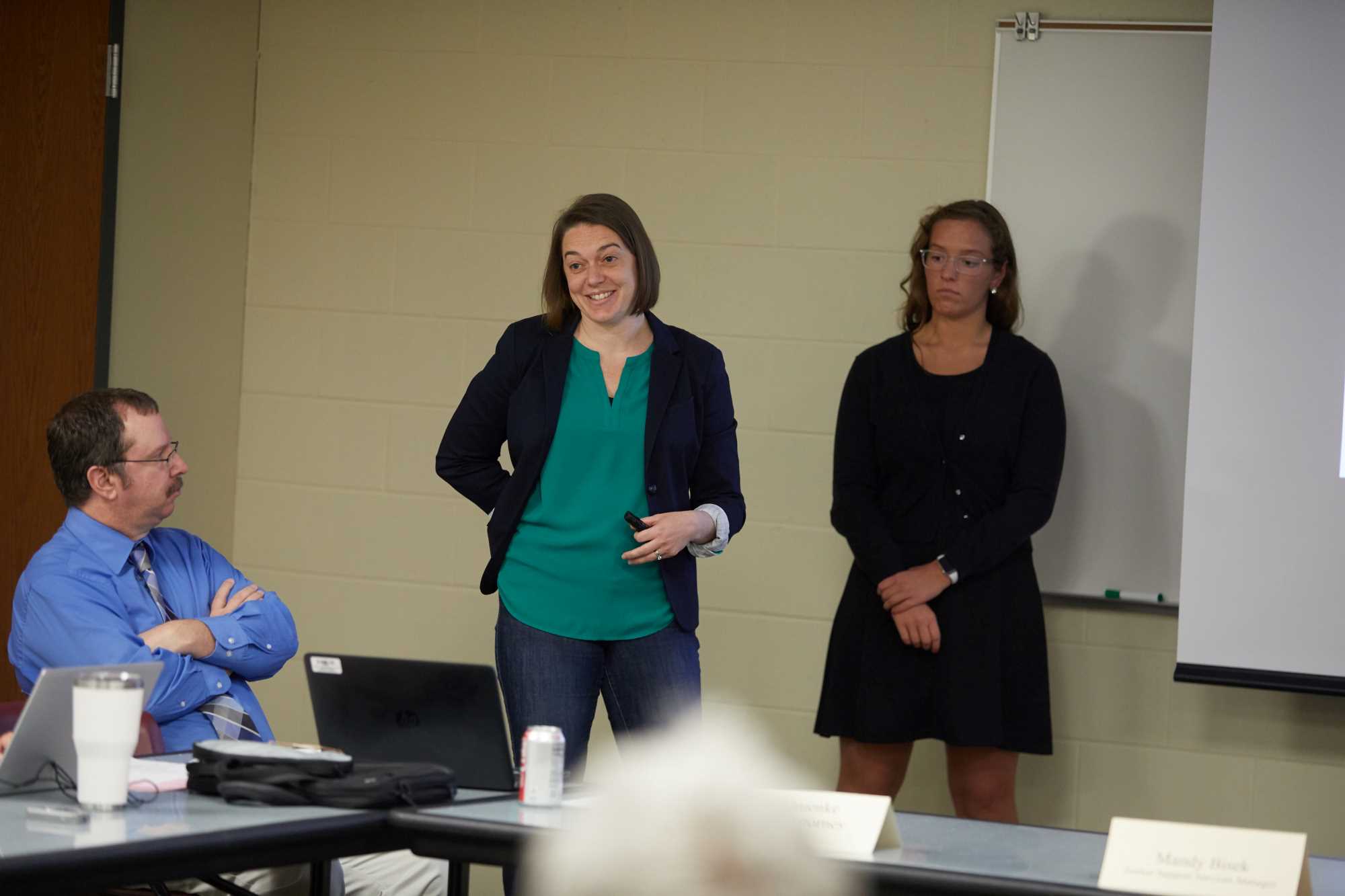
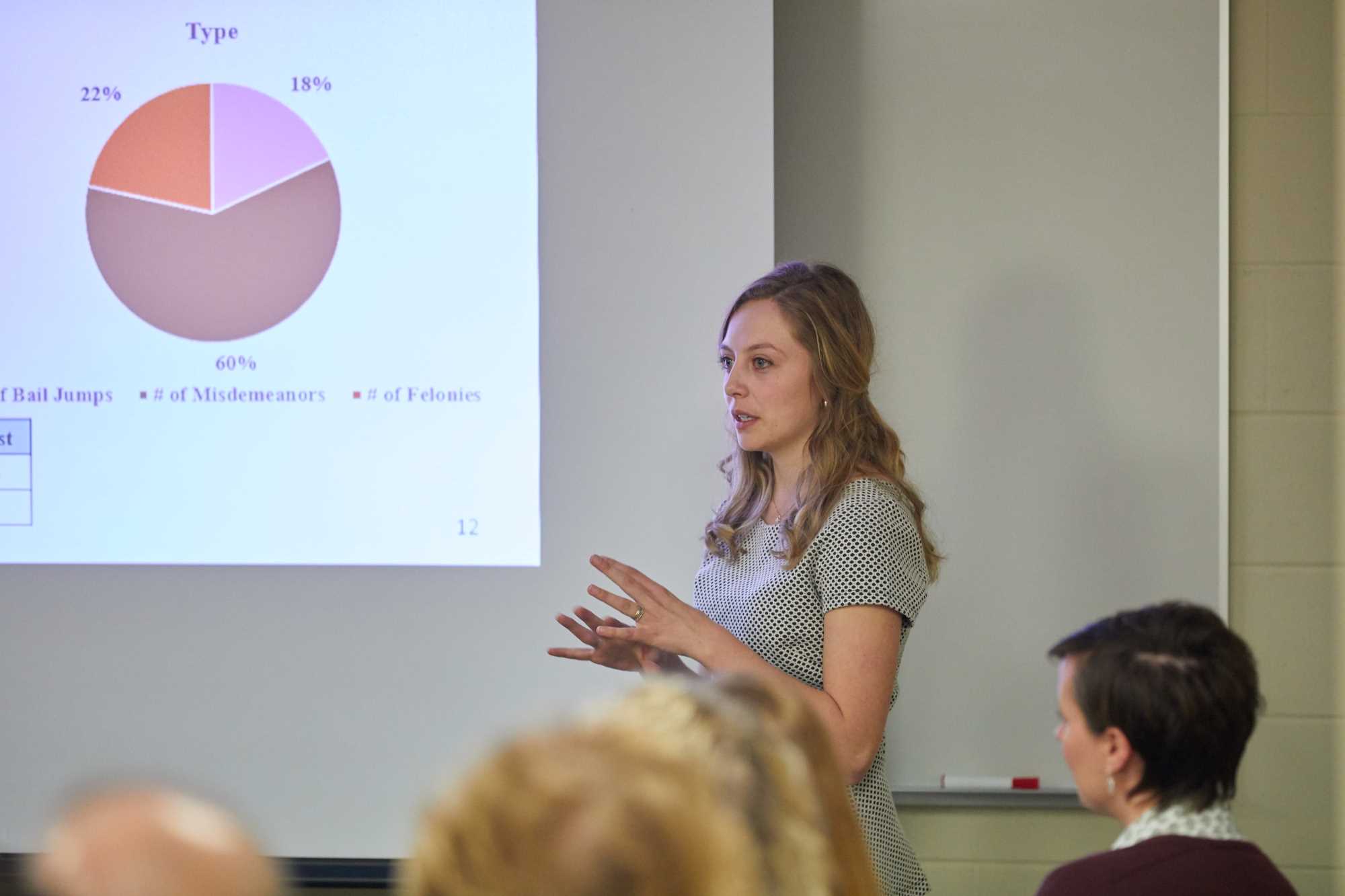
Criminal Justice program faculty work directly with local and state agencies on various programs, providing real world examples and opportunities for their students.
- Community Sexual Assault Response Team (SART) (Dr. Shanna Felix)
- Criminal Justice Management Council (Dr. Kruse)
- Fresh Start Jail Reentry Grant Program (Dr. Bakken and Dr. Kruse))
- Human Rights Policing Certificate Program (Dr. Marina)
- La Crosse County District Attorney's Office (Dr. Felix, Dr. Kruse, and Dr. Bakken)
- La Crosse County Drug Treatment Court Evaluation (Dr. Kruse and Dr. Bakken)
- La Crosse County Disproportionate Community Juvenile Justice and Disproportionate Minority Contact Task Force (Dr. Bakken and Dr. Kruse)
- La Crosse County Justice Support Services Treatment and Diversion Program Evaluation. (Dr. Kruse and Dr. Bakken)
- La Crosse County Study Committee on Policing (Dr. Kruse)
- La Crosse County System of Care Evaluation (Dr. Kruse and Dr. Bakken)
- La Crosse County Youth Justice Evaluation (Dr. Bakken and Dr. Kruse)
- La Crosse Police Department (Dr. Marina)
- School Resource Officer (SRO) Advisory Committee for the La Crosse School District (Dr. Kruse)
Evidence-based policy choices and practices about crime and justice require an understanding of the etiology of crime, criminal behavior, criminal justice processes, and the law. The study of criminal justice at UWL addresses these phenomena. The program is structured around a core of criminal justice courses on such topics as criminological theory, drug use and mental illness, law enforcement, juvenile delinquency, corrections, victimology and criminal law.
Sample courses

More programs to consider