



Biology
Master of Science in Biology
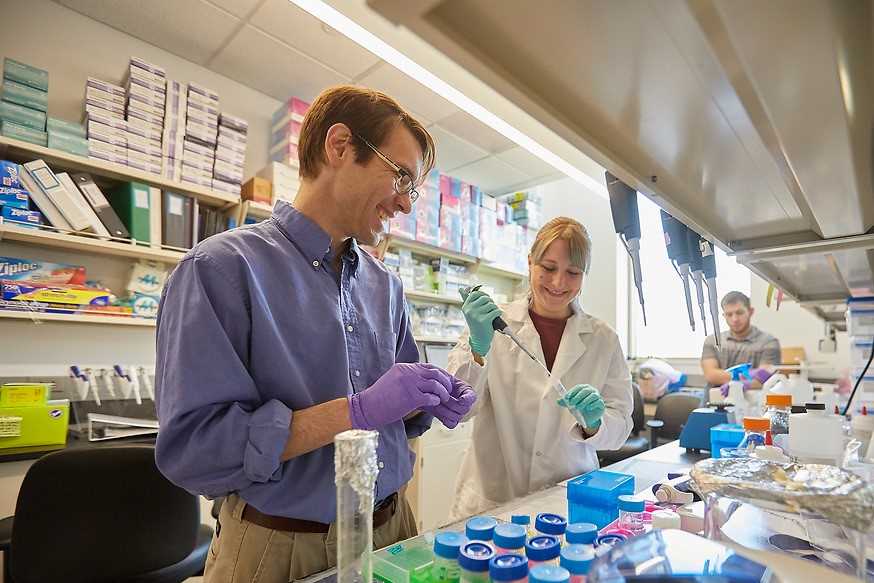
Advance your expertise in biology through hands-on research, individualized mentorship, and advanced scientific training with an M.S. in Biology.
A deeper understanding of biology is essential for addressing some of today’s most pressing challenges — from protecting ecosystems and water resources to advancing biomedical discoveries and improving human health.
The Master of Science in Biology at UW–La Crosse prepares students for careers in research, healthcare, environmental science, biotechnology, doctoral study and more. Through close collaboration with faculty mentors, students build advanced scientific knowledge while completing a research or professional capstone project aligned with their interests and career goals.
With nearly 40 faculty members and more than 60 graduate-level course options, students can tailor the program to fit their academic and professional goals.

Program at a glance
- Degree: Master of Science in Biology
- Format: In-person
- Commitment: Two years
- Program start: Fall, Spring, Summer
- Credits: 30
Customize your degree through one of several concentration options:
- Personalized studies (build your own pathway)
- Aquatic Science
- Cellular & Molecular Biology
- Environmental Science
- Physiology
- Nurse Anesthesia
Learn more. about Customize your degree through one of several concentration options:
Because graduate students work directly with faculty mentors, applicants are encouraged to explore faculty research interests before applying. Students typically identify a faculty advisor whose research aligns with their academic goals and interests.
Research collaborations may also be available through external partner organizations, including healthcare systems, environmental agencies, and research centers affiliated with UWL graduate faculty.
Explore faculty research areas.
Why choose UWL’s Master’s in Biology?
Students work closely with a faculty advisor throughout the program to develop a personalized plan of study, conduct research and complete a capstone project. The collaborative mentorship model helps students gain hands-on experience while building professional connections in their field.
As a master’s-only biology graduate program, students do not compete with doctoral students for faculty attention, research opportunities, or laboratory resources. This allows for greater access to mentorship, funding opportunities and applied learning experiences.
Faculty research spans a wide range of biological sciences, creating opportunities for interdisciplinary collaboration and specialized study. Students may also collaborate with researchers at regional partner organizations and agencies.
Faculty have expertise in areas such as:
- Animal behavior
- Aquatic science
- Biomedical sciences
- Cell and molecular biology
- Ecology
- Environmental science
- Genetics
- Mycology
- Physiology
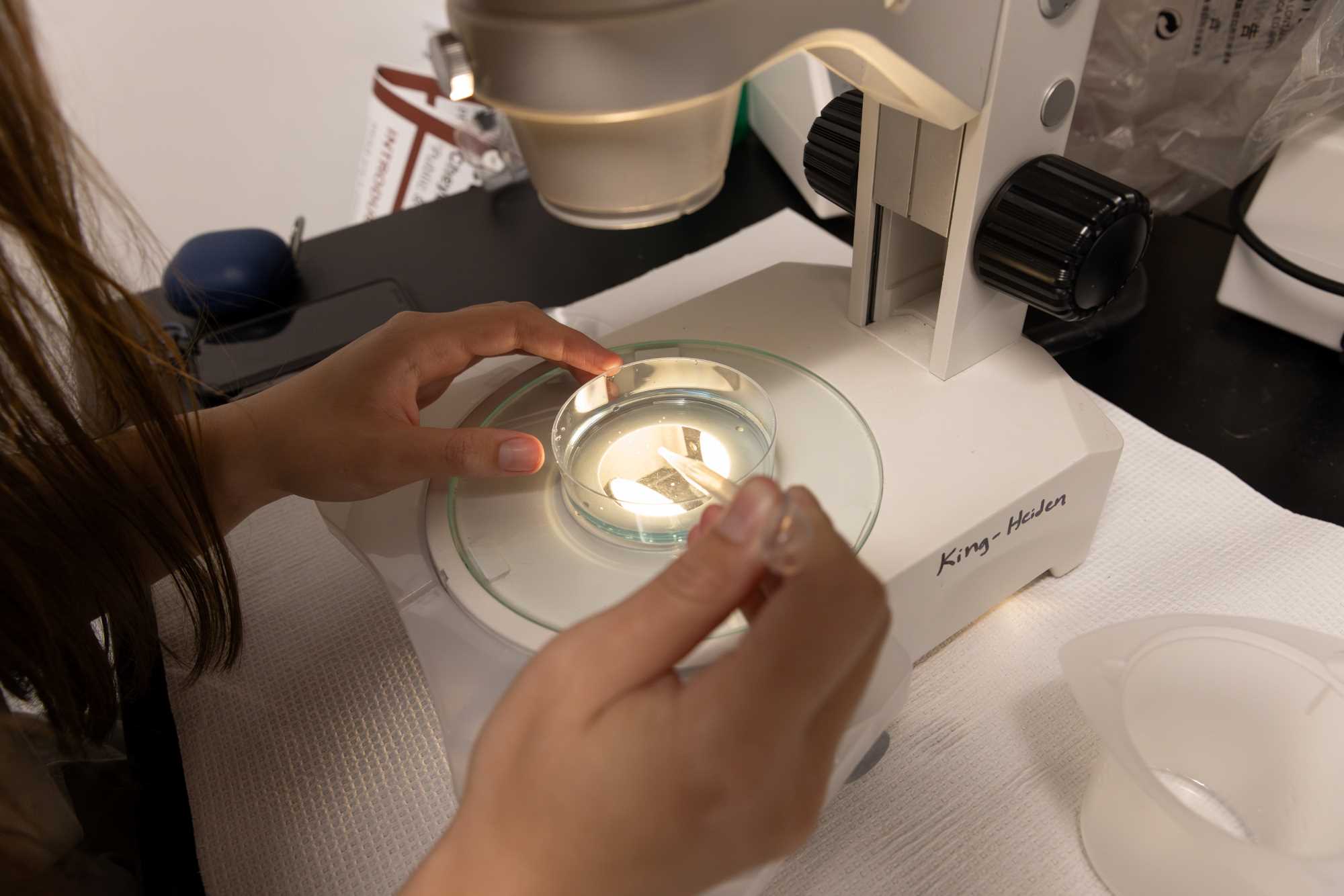
Graduate students conduct coursework and research in the Prairie Springs Science Center, featuring modern laboratories and advanced scientific instrumentation that support hands-on learning and research training.
Located near the Mississippi River, UWL provides direct access to diverse ecological systems for river-based research and learning through the River Studies Center.
Related programs




Important dates
Priority application deadline for fall admission is January 15.
Continuous notification.
Latest news




Hear from an alum
Ben Patschull, '20 & '25, M.S. in Biology
“Having completed my degree, I can’t imagine not having done it. Everything I did in class and in the field I could directly apply to my job.”

Hear from an alum
Vanessa Mbuyi, '24, M.S. in Biology
"I love the city and the school — that’s what has kept me here, as well as my research mentor I’ve had since I was an undergraduate. At UW-La Crosse the professors are open to just being there for students. I think it is true when they say they put the students first.”