



Public Health Online
Pursue your passion for public health
Prepare to make a meaningful impact on the health and well-being of communities through UW-La Crosse's online Master of Public Health (M.P.H.) program.
Graduates of UWL's M.P.H. program are equipped to become public health leaders who develop partnerships, advocate for change, and implement evidence-based solutions that improve health outcomes for diverse populations.
This highly interactive program is delivered 100% online and can be completed in as few as 24 months. You'll develop practical skills you can immediately apply in your workplace while learning alongside a cohort of public health professionals and aspiring leaders.


Program at a glance
- Degree: Master of Public Health in Community Health Education (MPH-CHE)
- Format: Online
- Commitment: Two years
- Program start: Spring
- Credits: 42
Public health professionals work to improve the health of individuals, families, and communities through education, prevention, research and policy. Their work ranges from preventing the spread of infectious diseases to promoting healthy behaviors, improving healthcare access, and addressing factors that influence quality of life. Learn more.
UWL's program emphasizes research opportunities, grant writing for organizations, and is aligned with the National Commission for Health Education Credentialing (NCHEC) Eight Areas of Responsibility for Health Education Specialists and is grounded in the five core disciplines of public health:
- Biostatistics
- Epidemiology
- Health Policy and Management
- Social and Behavioral Sciences
- Environmental Health Sciences
Career outlook
Why Choose UWL's Online Master of Public Health Program?
Earn your degree from anywhere with no travel requirements. Most coursework is completed asynchronously, allowing you to balance graduate school with your professional and personal commitments. Some courses may include optional or required synchronous sessions scheduled around student availability.
Some courses include applied learning experiences that require collaboration with a public health organization. Students currently employed in public health can apply what they are learning directly to their current role. Faculty also assist students in identifying appropriate community partners when needed.
Benefit from meaningful interaction with experienced faculty through one-on-one meetings, course feedback, and virtual office hours. Faculty are committed to helping you succeed academically and professionally.
Learn alongside a cohort of motivated professionals who share your passion for improving community health. Through collaborative coursework and applied experiences, you'll build relationships that extend beyond graduation.
You do not need an undergraduate degree in public health to apply. Students from a wide range of academic and professional backgrounds are welcomed into the program.
To ensure a high-quality educational experience, our online class size is approximately 15 students. Online students network and progress through the program with a cohort of learners—connecting with each other and their instructors through online discussions and other assignments.
Students are eligible for federal financial aid as well as internal and external scholarship opportunities, helping make graduate education more accessible and affordable. View details and learn how to apply.
Through a focus on Community Health Education, you'll gain the knowledge and practical skills to:
- Improve access to healthcare and health resources in underserved communities
- Design, implement, and evaluate public health programs
- Build meaningful partnerships and community connections
- Communicate complex health information effectively
- Promote ethical, professional, and culturally responsive practices
Featured courses
Important dates
Applications open May 1. Priority review is given through mid-November and applications are accepted until the cohort is full.
Continuous notification.
Latest news

Hear from an alum
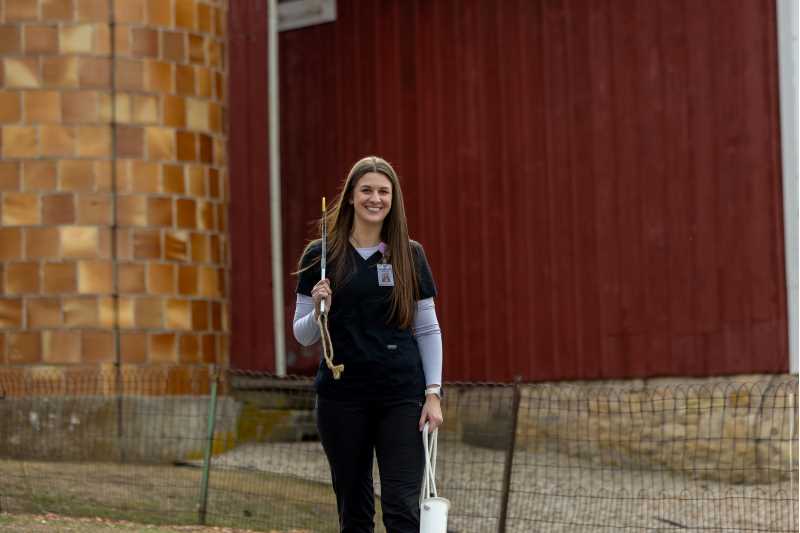
Kayla Loeber, '19 & '25
"Even though it was virtual, it was very easy to access other students and support each other along the way. What I learned in this program connects perfectly back to the population I work with, and the support I gained in policy and advocacy has definitely helped me be able to advocate for the people that I work with."
Hear from an alum
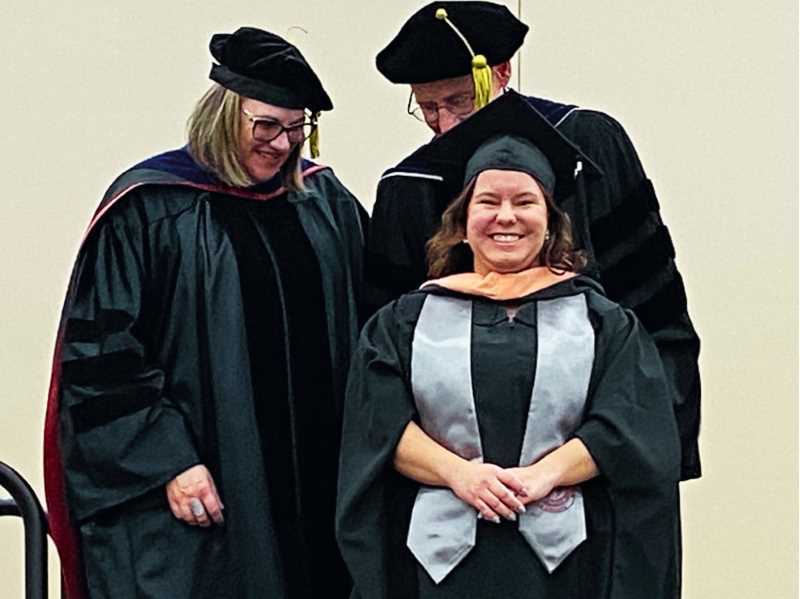
Ella Rusnacko, '20 & '25
"Being a full-time working professional, the UWL online MPH program integrated seamlessly. It gave me a great systems-level overview and tangible tools that I can apply day-to-day with the work that I do. You will walk out with a stronger sense of self and stronger sense of confidence."