


Physician Assistant Studies
Program profile
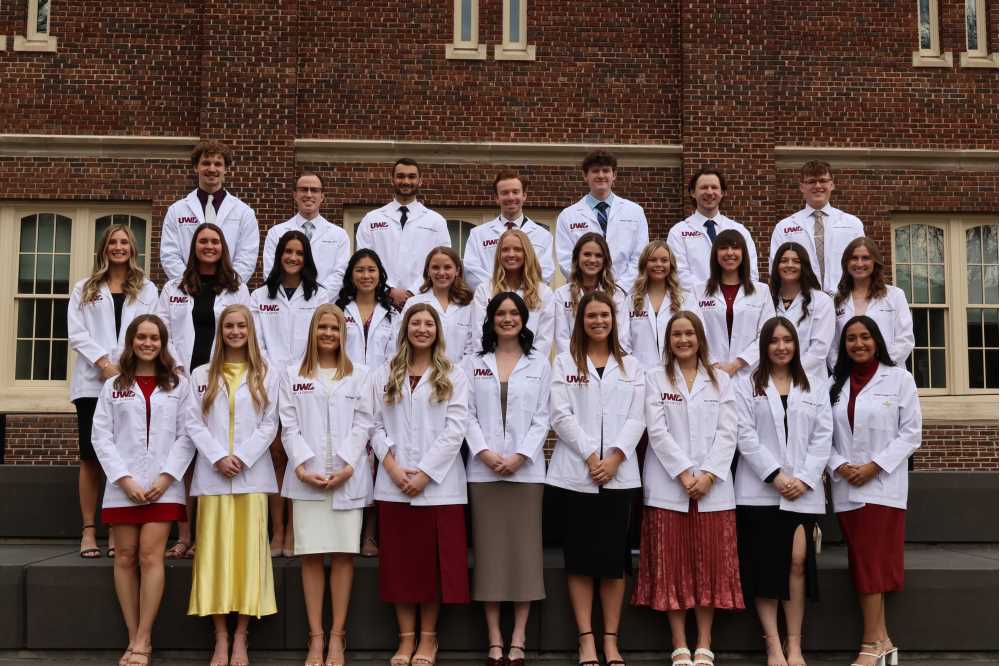 Congratulations Class of 2026 on receiving your White Coat!
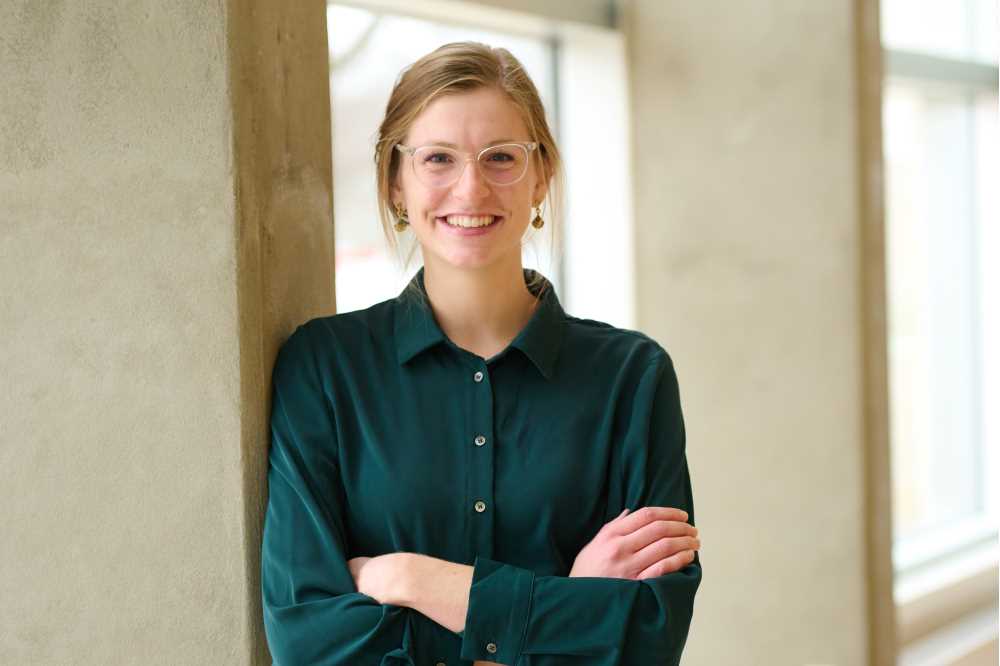 Karin Wright, a student in UWL's Physician Assistant Program, took first place in this year's Say it in 6 contest through Graduate & Extended Learning. The judges said Wright's submission — “We study today to serve tomorrow” — best captured a day in the life of a graduate student.

Program profile
Accreditation Status
The Accreditation Review Commission on Education for the Physician Assistant (ARC-PA) has granted Accreditation-Continued status to the University of Wisconsin–La Crosse Physician Assistant Program. Accreditation-Continued is an accreditation status granted when a currently accredited program is in compliance with the ARC-PA Standards.
Accreditation remains in effect until the program closes or withdraws from the accreditation process or until accreditation is withdrawn for failure to comply with the Standards. The approximate date for the next validation review of the program by the ARC-PA will be Fall 2027. The review date is contingent upon continued compliance with the Accreditation Standards and ARC-PA policy.
Mission & Vision
Mission
In collaboration with nationally renowned partners, we develop exemplary PAs, in an inclusive culture, who equitably optimize the health of our region.
Vision
We will continue to be a nationally recognized program by:
- Selecting students with the academic background, interpersonal skills and maturity necessary to be outstanding physician assistants
- Educating students who will excel in improving the health and wellness of patients through the supervised practice of medicine
- Developing students who are grounded in professional ethics, cultural sensitivity, and the use of evidence based medicine.
Program Goals
Goal 1: The program will attract highly qualified applicants with the academic background necessary to successfully complete the rigorous training required to become a physician assistant.
| Benchmark | Program Outcome* | Benchmark Result |
|---|---|---|
| Number of verified CASPA applications will equal or exceed 400 | 482 | Met |
| Ratio of verified CASPA applications to matriculants will equal or exceed 14.2 | 17.2:1 | Met |
| Mean cumulative undergraduate GPA of matriculants will equal or exceed 3.0 | 3.89 | Met |
| Mean science undergraduate GPA of matriculants will equal or exceed 3.0 | 3.85 | Met |
| Mean Casper Test** Z-score of matriculants will equal or exceed 0.50 | 0.89 | Met |
| Correlation Coefficient of Undergraduate Science GPA with first semester PA program GPA will be >0.2 | 0.43 | Met |
| Student Attrition Rate will be 10% or less | 3.6% | Met |
*Data pertain to the Class of 2026, who matriculated in June 2024, and graduated in May 2026.
**Casper is a situational judgement test of the behavioral tendencies of persons with an interest in people-centered professions.
Goal 2: The program will ensure that its graduates attain the medical knowledge necessary to become highly competent physician assistants.
| Benchmark | Program Outcome* | Benchmark Result |
|---|---|---|
| Mean cohort didactic phase GPA will equal or exceed 3.50 | 3.70 | Met |
| Mean cohort clinical phase GPA will equal or exceed 3.50 | 3.54 | Met |
| Mean cohort preceptor rating for Medical Knowledge will equal or exceed 8.0 on a 10-point Likert Scale | 8.6 | Met |
| 60% of graduating students’ End of Curriculum Exam** scores will equal or exceed 1545, which is considered ‘advanced medical knowledge’ | 74.1% | Met |
| Program’s First-time Taker PANCE Pass Rate will exceed the National First-time Taker Pass Rate of 94%*** | 100% | Met |
| Program’s All Taker PANCE Pass Rate will be 100% | 100% | Met |
*Data pertain to the Class of 2026, who matriculated in June 2024, and graduated in May 2026.
**The End of Curriculum exam is an objective, standardized evaluation of a student’s medical knowledge as one component of their readiness for graduation (https://paeaonline.org/assessment/end-of-curriculum).
***Based on NCCPA data as reported in September 2026.
Goal 3: The program will ensure the development of excellent interpersonal skills essential for the effective practice of medicine as a physician assistant.
| Benchmark | Program Outcome* | Benchmark Result |
|---|---|---|
| Mean cohort communication score on the final didactic simulated patient encounter will equal or exceed 90.0% | 91.6% | Met |
| Mean cohort communication score on the final clinical simulated patient encounter will equal or exceed 90.0% | 95.7% | Met |
| Mean cohort preceptor rating for Patient Rapport equal or exceed 8.0 on a 10-point Likert Scale | 9.0 | Met |
| Mean cohort preceptor rating for Professional Relationships equal or exceed 8.0 on a 10-point Likert Scale | 9.2 | Met |
*Data pertain to the Class of 2026, who matriculated in June 2024, and graduated in May 2026.
Goal 4: The program will educate physician assistants who will meet the healthcare needs of the regions served by the partner institutions.
| Benchmark | Program Outcome* | Benchmark Result |
|---|---|---|
| 30.0% or more graduates will accept initial employment in the regions served by the partner institutions | 48.1% | Met |
| 5-year average rate of initial regional employment will equal or exceed 40% | 41.9% | Met |
| 25.0% or more graduates will accept initial employment in partner institutions | 29.6% | Met |
| 90.0% of graduates will accept initial employment with 6 months of graduation | 92.6%** | Met |
*Data pertain to the Class of 2026, who matriculated in June 2024, and graduated in May 2026.
**Employment rate at September 1st, which is 3.5 months post-graduation.
Program Competencies and Program Learning Outcomes
The program’s curriculum has been developed in accordance with the Accreditation Standards for Physician Assistant Education, 6th Edition, by the Accreditation Review Commission on Education for the Physician Assistant (ARC-PA). As such, graduates are expected to demonstrate competency in the following areas:
| Number | Program Learning Outcome |
|---|---|
| PLO1 | Apply established and evolving core medical knowledge, including biomedical, epidemiological, behavioral, and psychosocial principles, to provide patient-centered care across the lifespan. |
| Number | Program Learning Outcome |
|---|---|
| PLO2 | Establish and maintain therapeutic relationships with patients and families that foster the effective exchange of information and shared decision making. |
| PLO3 | Communicate patient health information in written, oral, and digital forms to patients, families, and members of the healthcare team. |
| PLO4 | Collaborate with members of the healthcare team to provide integrated, patient-centered care. |
| Number | Program Learning Outcome |
|---|---|
| PLO5 | Gather and document accurate and essential information about patients through history taking and physical examination. |
| PLO6 | Safely perform medical, diagnostic, and surgical procedures commonly encountered upon entry into general medical practice. |
| Number | Program Learning Outcome |
|---|---|
| PLO7 | Synthesize information to develop and prioritize a differential diagnosis. |
| PLO8 | Recommend and interpret diagnostic and screening tests. |
| PLO9 | Develop, implement, and modify management plans that optimize patient health and enable shared decision making. |
| Number | Program Learning Outcome |
|---|---|
| PLO10 | Demonstrate professional and ethical behaviors necessary to provide safe and quality care to patients and populations. |
| PLO11 | Demonstrate critical analysis of personal practices, medical literature, and other health information to improve clinical practice outcomes for patients and populations. |
Graduation Rates and Attrition
| Student Attrition / Metric | Class of 2026 | Class of 2025 | Class of 2024 |
|---|---|---|---|
| Maximum entering class size (as approved by ARC-PA) | 31 | 31 | 31 |
| Entering class size | 28 | 28 | 29 |
| Graduates | 27 | 27 | 29 |
| *Attrition rate | 0.035 | 0.035 | 0 |
| **Graduation rate | 0.964 | 0.964 | 1.00 |
Data is current as of 06/2026
*Attrition rate calculation: Number of students who attritted from cohort (decelerated + withdrawals + dismissals) divided by the (entering class size + number joining class cohort).
**Graduation rate calculation: Number of cohort graduates divided by the (entering class size + number joining class cohort).
Curriculum
This full time, in-person only program accepts and enrolls one class per year. Accepted students must begin the program in the summer, with classes typically beginning after Memorial Day.
The 108 total credit curriculum is tightly sequenced over 24 months and consists of a 12-month Preclinical Year and a 12-month Clinical Year. The Clinical Year includes 44 weeks of clinical rotations.
Semester 1 - Summer (13 credits)
- PAS 509 - Human Gross Anatomy (3 credits)
- PAS 510 - Applied Human Gross Anatomy Lab (3 credits)
- PAS 626 - Physiology for the Medical Professional (4 credits)
- PAS 640 - Introduction to the PA Profession (1 credit)
- PAS 680 - Pathology (1 credit)
- PAS 700 - Society and Population Health (1 credit)
Semester 2 - Fall (22 credits)
- PAS 630 - Clinical Pharmacology I (3 credits)
- PAS 642 - Medical History and Physical Exam (3 credits)
- PAS 643 - Applied Medical History and Physical Exam Lab (1 credit)
- PAS 654 - Evidenced Based Practice for PAs (2 credits)
- PAS 681 - Medical Diagnostics (1 credit)
- PAS 800 - Clinical Assessment I Lab(1 credit)
- Clinical Medicine Courses -
- PAS 682 - Cardiology (3 credits)
- PAS 683 - Gastroenterology (2 credits)
- PAS 685 - Pulmonology (2 credits)
- PAS 703 - Endocrinology (1 credit)
- PAS 707 - Hematology (1 credit)
- PAS 711 - Clinical Neurosciences I (2 credits)
Semester 3 - Winter (3 credits)
- PAS 637 - Clinical Practice Skills I (1 credit)
- PAS 649 - Healthcare Administration, Law and Ethics (1 credit)
- Clinical Medicine Course
- PAS 717 - Rheumatology (1 credit)
Semester 4 - Spring (19 credits)
- PAS 631 - Clinical Pharmacology II (2 credits)
- PAS 647 - Applied Clinical Practice Skills Lab (2 credit)
- PAS 652 - Clinical Procedure Skills (2 credits)
- PAS 801 - Clinical Assessment II Lab(1 credit)
- Clinical Medicine Courses -
- PAS 628 - Infectious Diseases (2 credits)
- PAS 701 - Nephrology (1 credit)
- PAS 709 - Emergency Medicine (1 credit)
- PAS 712 - Clinical Neurosciences II - Behavioral Medicine and Psychiatry (2 credits)
- PAS 760 - Obstetrics-Maternal/Fetal Medicine (1 credit)
- PAS 762 - Pediatric and Adolescent Medicine (1 credit)
- PAS 763 - Genitourinary Medicine (1 credit)
- PAS 764 - Applied Genitourinary Medicine Lab (1 credit)
- PAS 770 - Principles of Surgical Medicine (1 credit)
- PAS 771 - Orthopedics (1 credit)
- PAS 772 - Otorhinolaryngology and Ophthalmology (1credit)
- PAS 773 - Dermatology (1 credit)
Semester 5 (13 credits)
- Clinical rotations 1-3 (4 credits each)
- PAS 790 Professional Development I (1 credit)
Semester 6 (18 credits)
- Clinical rotations 4-7 (4 credits each)
- PAS 792 Professional Development II (2 credits)
Semester 7 (4 credits)
- Clinical rotations 8 (4 credits)
Semester 8 (14 credits)
- Clinical rotations 9-11 (4 credits each)
- PAS 794 Professional Development III (1 credit)
- PAS 802 Summative Assessment (1 credit)
*In extenuating circumstances, a current student may request extension of the didactic curriculum from one to two years. Program administration will only consider requests submitted by current students (requests will not be accepted as an initial enrollment option for incoming students). The clinical phase of the curriculum is only available on a full-time basis.
Clinical Rotations
Students complete eleven, 4-week clinical rotations during the second year (June - April). Seven rotations are in required areas of medicine and intended to provide a broad foundation for a generalist physician assistant. Required areas include:
- PAS 724 General surgery
- PAS 732 Emergency medicine
- PAS 726 Women's Health (OB/GYN)
- PAS 728 Pediatrics
- PAS 722 Internal medicine
- PAS 720 Family medicine
- PAS 730 Behavioral Health
The remaining four Specialty Medicine (PAS 734) rotations occur in practice environments intended to broaden skill and knowledge base in addition to providing depth to the student's area/s of interest. Supplemental choices are determined by the program based on preceptor/site availability and student interest.
Clinical rotations are completed within the health systems of our partner institutions. This provides students with a variety of opportunities for experiences in the many rural and suburban clinics and hospitals within these health systems in Wisconsin, Minnesota, and Iowa. Additional information about partner specialties and practice sites is available via the links below.
Prospective and enrolled students are not required to provide or solicit clinical sites or preceptors.
Travel is required for many rotation sites. Students are responsible for their own housing and transportation during the clinical year. Some clinical sites are able to provide housing; however, this is highly specific to the location and current availability. Students are encouraged to secure housing through known contacts, personal connections, and former students.
The following calculator can be used to estimate the cost of typical living expenses in the locations of each of the health systems.
Living Wage Calculator La Crosse-Onalaska, Wisconsin
Living Wage Calculator Eau Claire County, Wisconsin
Living Wage Calculator Wood County, Wisconsin
Living Wage Calculator Rochester, MN (Olmstead County)
Facilities
Health Science Center (HSC) serves as the UWL-PA program's home. The HSC provides lecture space for didactic courses, exam rooms, and a student resource room. Take a virtual tour of the facility you will use in the first year of your program.
Program history
UW-La Crosse, in partnership with the Gundersen Medical Foundation of La Crosse and the Mayo Clinic School of Health Science of Rochester, Minnesota, first established this physician assistant educational program in 1995 as a Bachelor of Science program. In June of 2004, the program enrolled its first class in the Master of Science in Physician Assistant Studies program. Marshfield Clinic joined the programmatic partnership in August of 2017. This addition provided additional sites for student clinical rotations. Over the course of the program, the regions served by our students through partner institutions have expanded to include central and western Wisconsin, eastern Minnesota, and Iowa.
See what our students & graduates are up to!
Learn more about See what our students & graduates are up to!
Health professions news feed
 ‘A place where I could see myself growing’
Posted 8 a.m. Friday, Oct. 16, 2026
Transfer student Del Kunze reflects on finding her home at UWL
Read more about ‘A place where I could see myself growing’
‘A place where I could see myself growing’
Posted 8 a.m. Friday, Oct. 16, 2026
Transfer student Del Kunze reflects on finding her home at UWL
Read more about ‘A place where I could see myself growing’
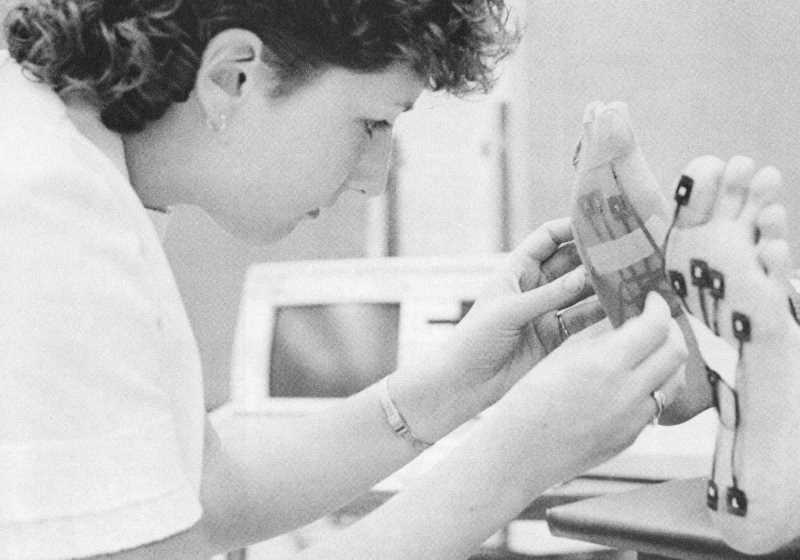 Celebrating 50 years
Posted 1:27 p.m. Thursday, Oct. 1, 2026
UWL’s PT program: evolution, research and the people who made it possible
Read more about Celebrating 50 years
Celebrating 50 years
Posted 1:27 p.m. Thursday, Oct. 1, 2026
UWL’s PT program: evolution, research and the people who made it possible
Read more about Celebrating 50 years
 Imaging the future
Posted 10:27 a.m. Friday, Sept. 11, 2026
New SPECT camera prepares students for careers in precision medicine
Read more about Imaging the future
Imaging the future
Posted 10:27 a.m. Friday, Sept. 11, 2026
New SPECT camera prepares students for careers in precision medicine
Read more about Imaging the future
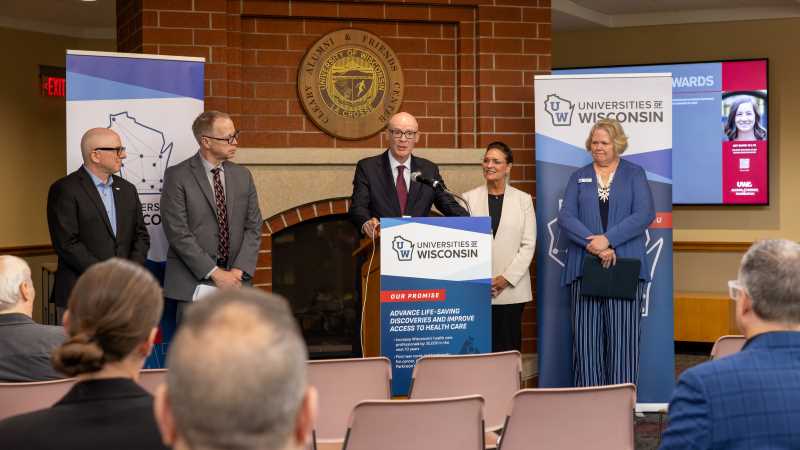 Building a Healthy Wisconsin
Posted 12:17 p.m. Tuesday, Aug. 11, 2026
Chancellor Beeby, UW leaders call for greater investment in health education
Read more about Building a Healthy Wisconsin
Building a Healthy Wisconsin
Posted 12:17 p.m. Tuesday, Aug. 11, 2026
Chancellor Beeby, UW leaders call for greater investment in health education
Read more about Building a Healthy Wisconsin
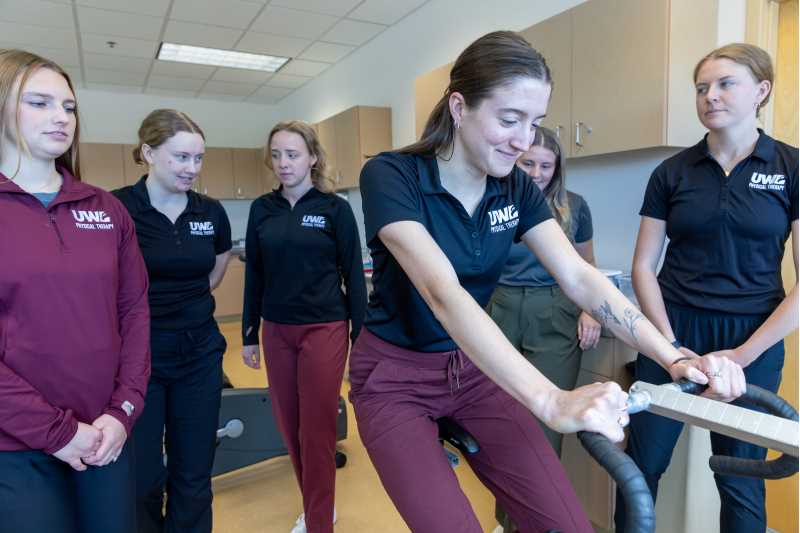 Moving lives forward
Posted 4:17 p.m. Friday, Aug. 7, 2026
Physical therapy program celebrates five decades of educating compassionate professionals
Read more about Moving lives forward
Moving lives forward
Posted 4:17 p.m. Friday, Aug. 7, 2026
Physical therapy program celebrates five decades of educating compassionate professionals
Read more about Moving lives forward