

Public History Certificate program
Help tell the story of the past and change the future.
Gain skills that allow you to work in archives, museums, not-for-profit organizations and local government through the Public History Certificate Program.
Are you…
- Seeking a career in museums, archives, or policymaking settings?
- Interested in communicating historical knowledge to the public?
- Looking to build practical skills for the job market?
Then, UWL’s Public History Certificate is for you! This unique program provides hands-on training. You'll work in collaboration with heritage and cultural institutions, as well as businesses and local government. Public history doesn't just tell the story of the past; it works to change the future through policy, social justice programming and education.
What is public history?
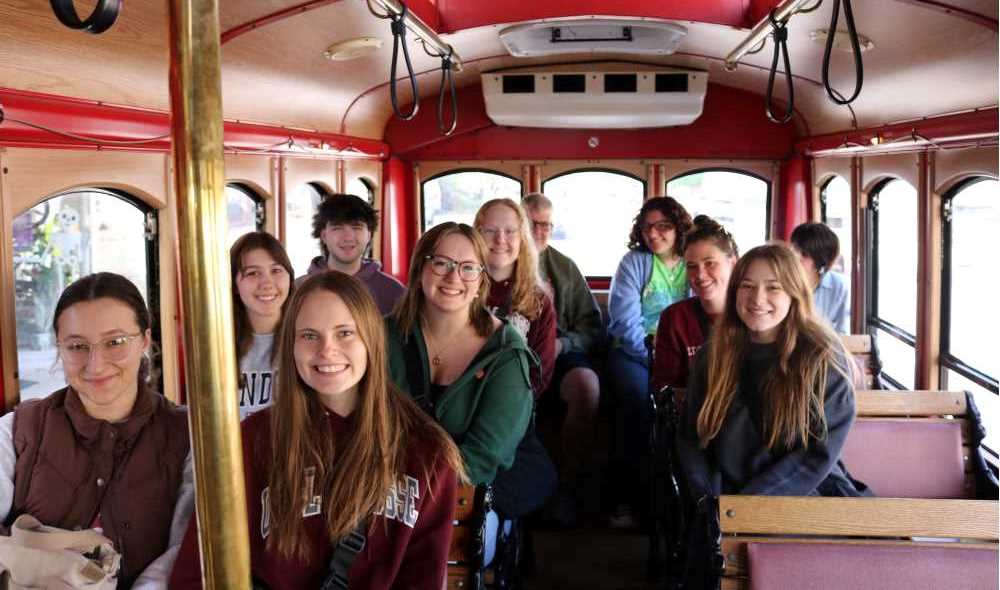
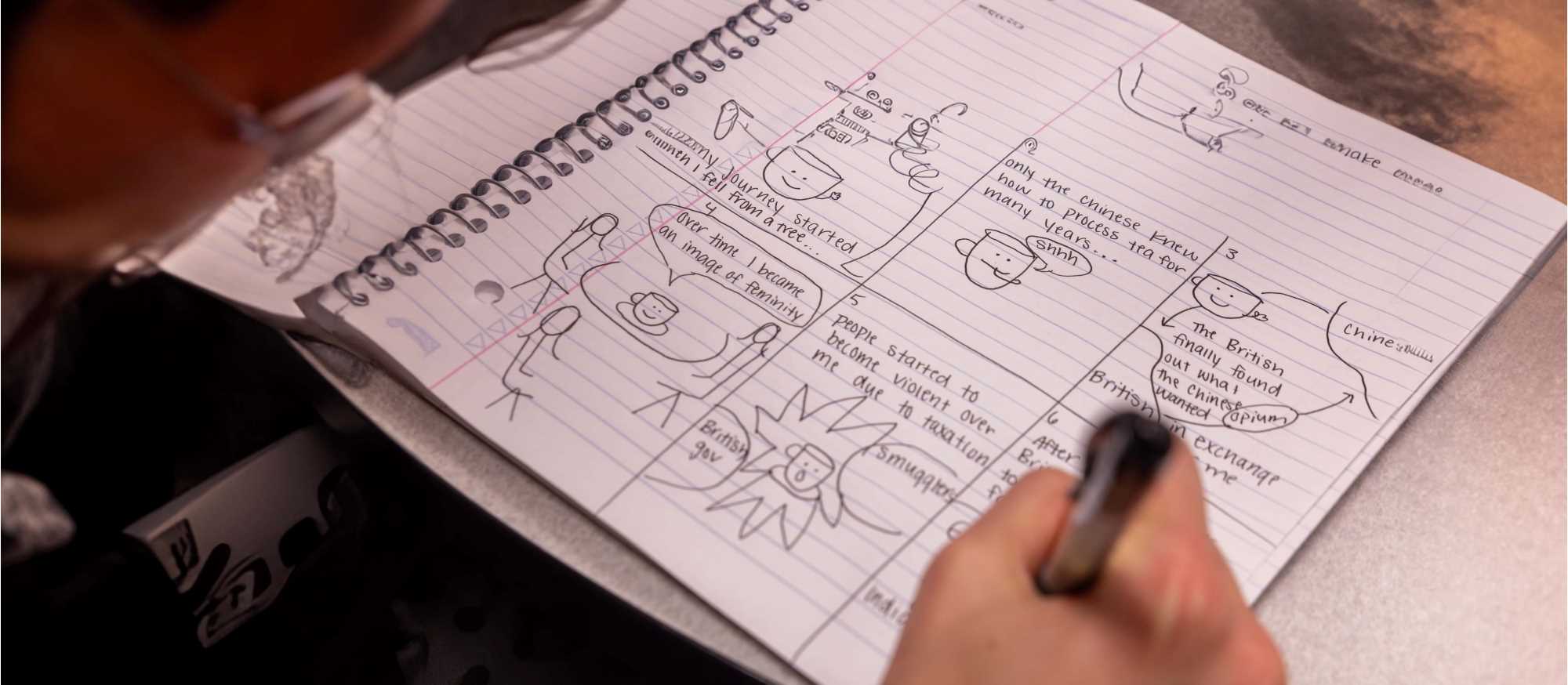
Public history is the dynamic, hands-on practice of taking history out of archives and bringing it directly to the public through engaging museums, podcasts, zines and tours. Public historians collaborate with communities to make the past relevant to real-world issues. They act as curators, preservationists, and storytellers. If you want to build a career shaping how society remembers -- using technology and creativity to make history relevant to our everyday lives -- this is your field.
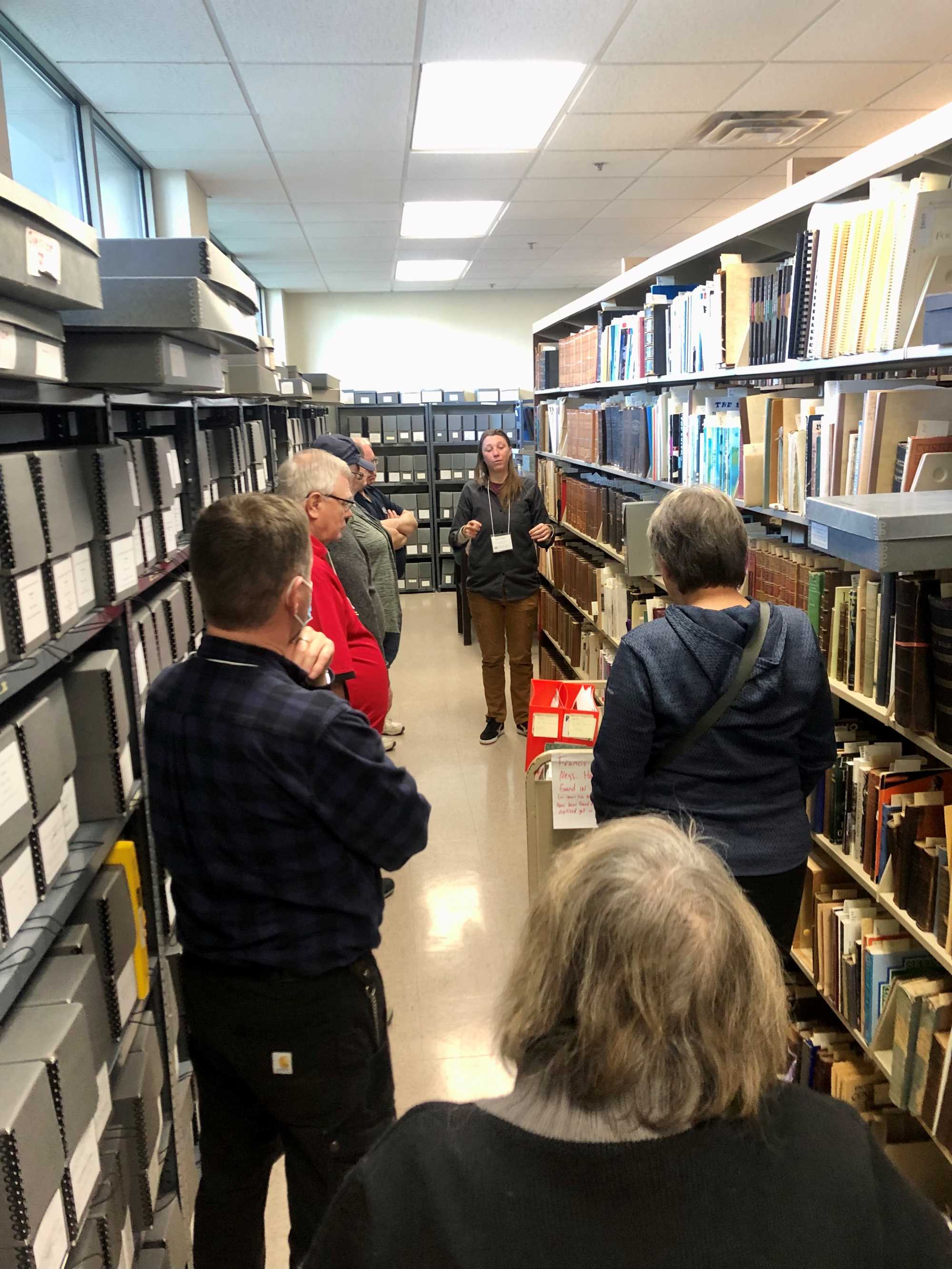
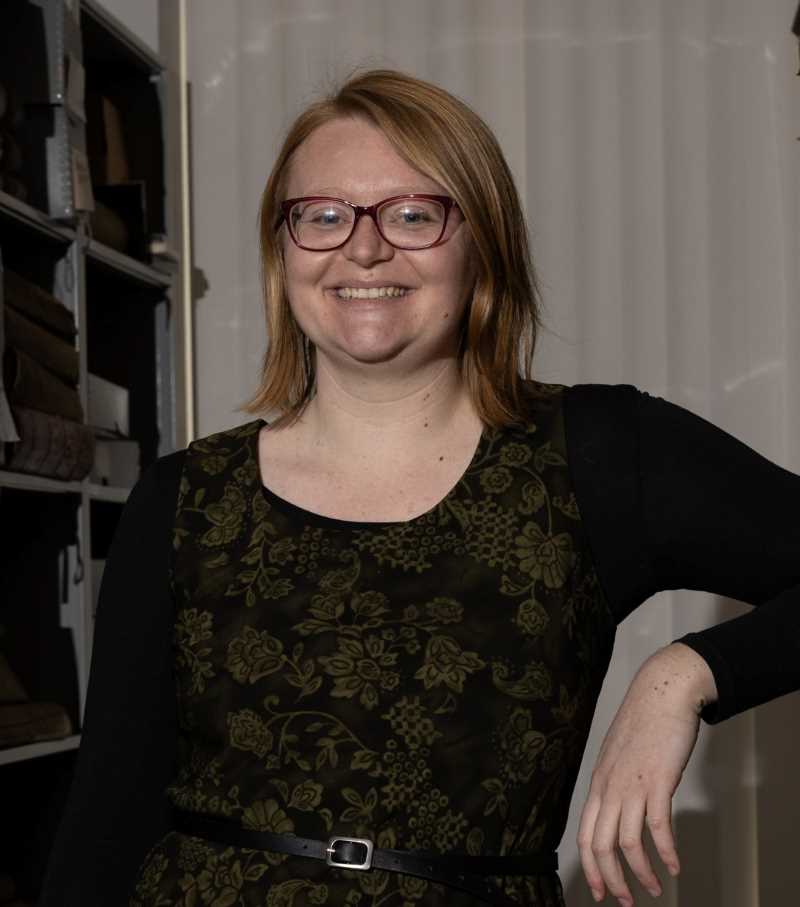
The Public History Program prepared me for a rigorous graduate program and my future career in archives. I learned how to incorporate meaningful policy change in my everyday work as a public employee, and how to best engaged different demographics with history.
Librarian, La Crosse Public Library
Pre-college tips
Get prepared

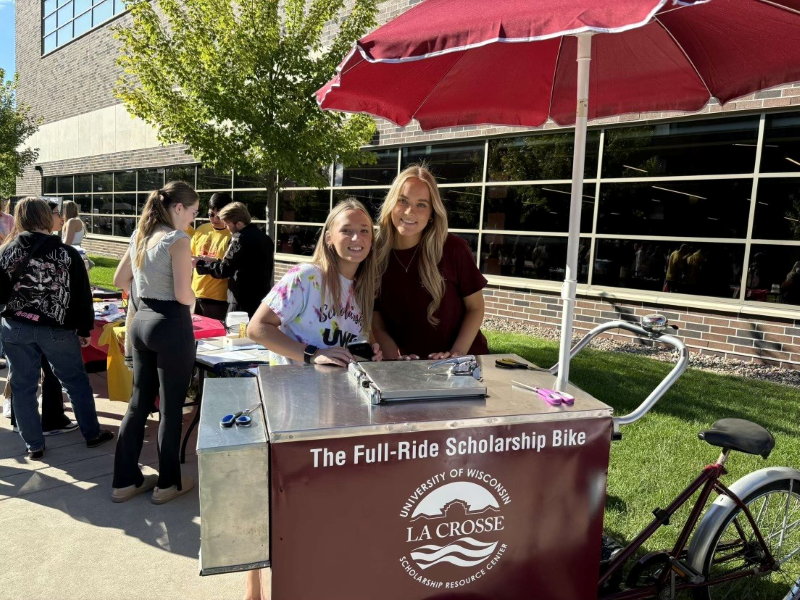
Public history careers
Students will benefit from this certificate program if they are interested in future as:
- Historical consultants
- Museum professionals
- Government historians
- Archivists
- Oral historians
- Cultural resource managers
- Curators
- Policy advisers
- Community activists
What distinguishes UWL's Public History Certificate program?
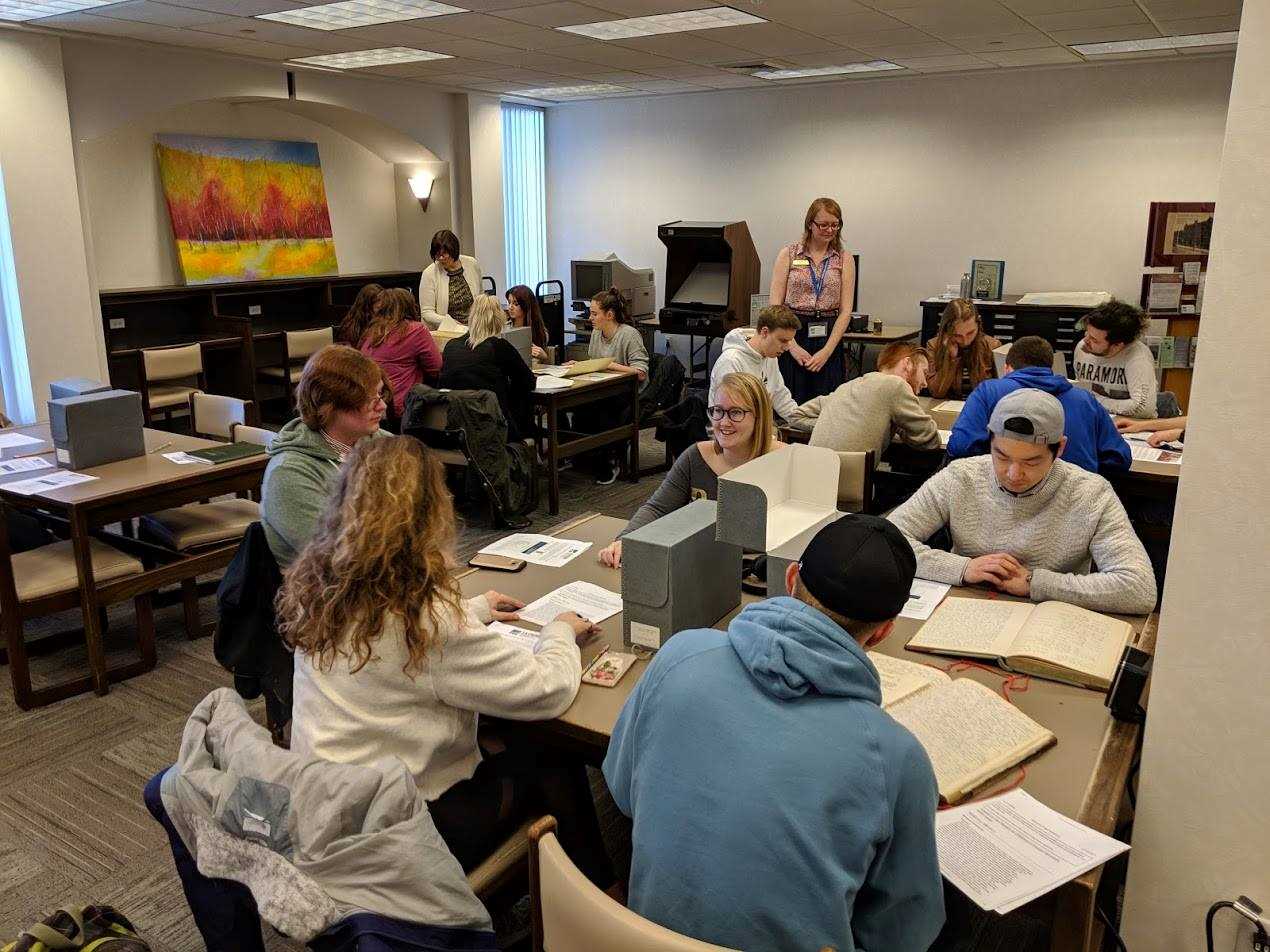
Faculty will work with you to set up internships that fit your chosen career path. Internships provide lifetime opportunities for early career development and on-the-job experience. Past interns have worked at: La Crosse Public Library Archives; City of La Crosse Planning and Development Department; La Crosse County Historical Society; Michigan Maritime Museum; and Ride History Park Museum
You get hands-on experience with professional-level, grant-funded, community projects that go on your resume and help you get into top graduate schools.
In class you will meet practicing public and policy historians who will talk to you about the practicalities of your future career and explain what steps to take to meet your career goals.
Our methodology courses teach you skills identified by employers.These include grant writing, cultural resource management, conducting and processing oral history interviews, and interpreting material objects for museum collections.
Sample courses
More programs to consider