



Events
A page within Menard Family Initiative
Fall 2026
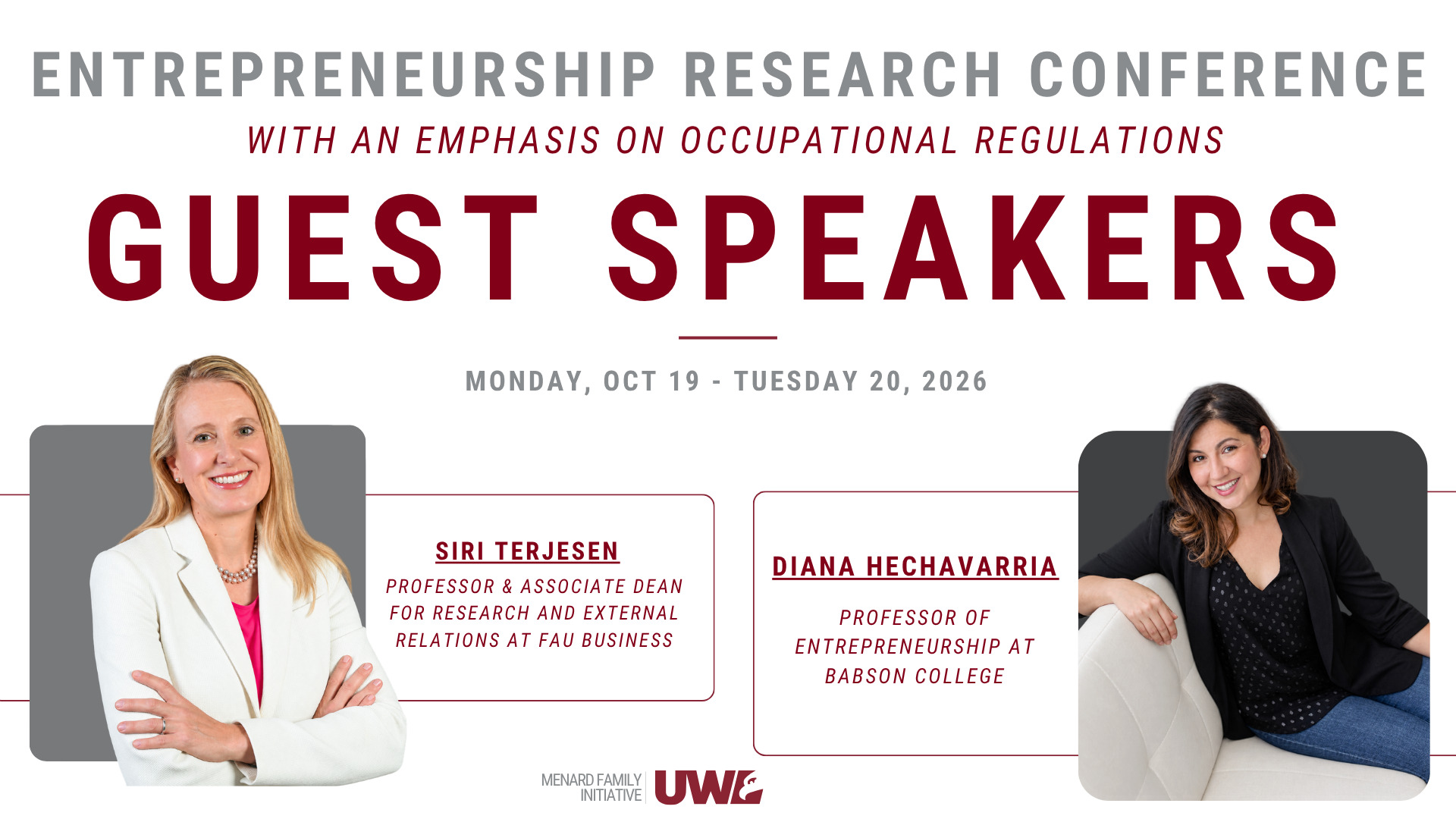
Entrepreneurship Research Conference
hosted by the Menard Family Initiative
Spring 2026 Events
April
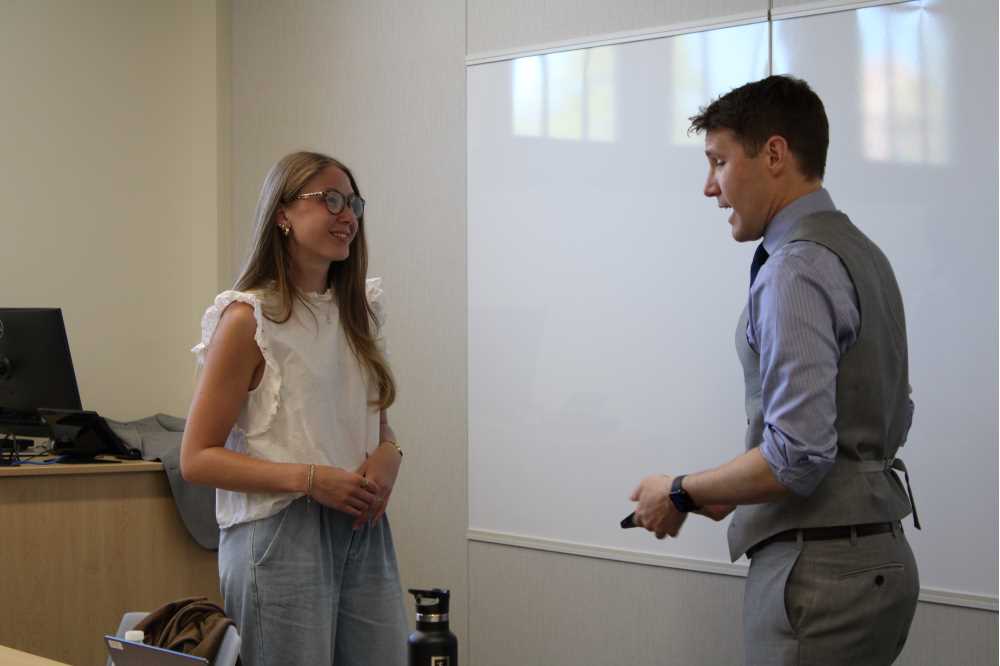
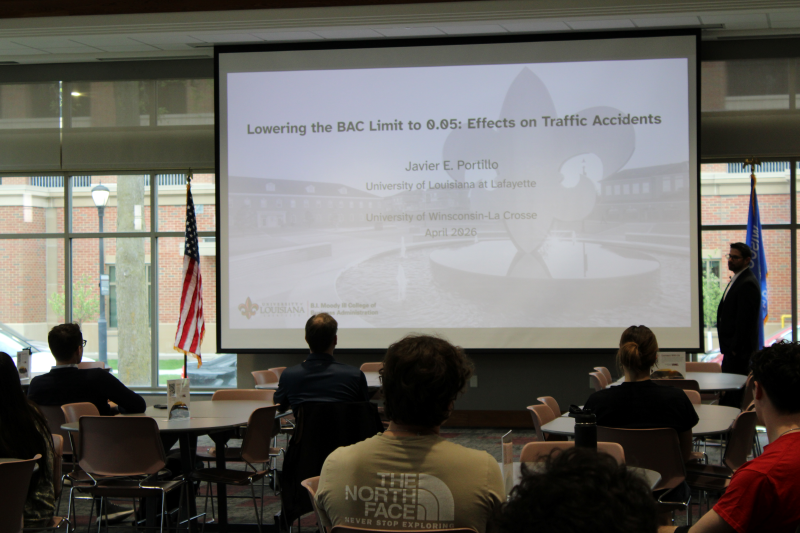 Javier Portillo speaking to students.
Lowering the BAC Limit to 0.05: Effects on Traffic Accidents
Research by Javier E. Portillo, University of Louisiana at Lafayette, examined the effects of lowering the legal BAC limit from 0.08 to 0.05, using Utah as a case study. The study finds a noticeable drop in reported crashes—about 15%—especially in minor, property-damage incidents. However, the effects on more serious crashes involving injuries or fatalities are less clear. Interestingly, the research suggests some of the decline may be due to fewer crashes being reported, not necessarily fewer crashes happening. Overall, the findings show that while stricter BAC laws can have an impact, their real-world effects are more complex than they might seem.
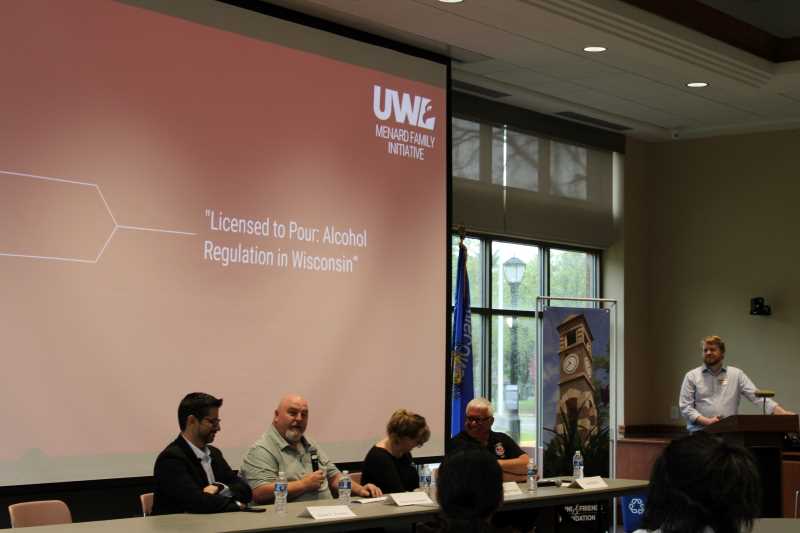 Panel, Licensed to Pour
"Licensed to Pour: Alcohol Regulation in Wisconsin“
- featuring Nancy Horstmann (co-owner of Horstmann Homestead)
- Scott Neumeister (Director of the La Crosse Tavern League)
- and Joe Berra (President of the La Crosse City/County Tavern League)
- Javier Portillo (University of Louisiana at Lafayette)
- moderated by MFI’s Co-Director Adam Stivers
Together, they explored some of the most pressing alcohol policy issues facing our community—from La Crosse’s license cap and 2023 Act 73 to the 9 PM restriction and OWI penalties.
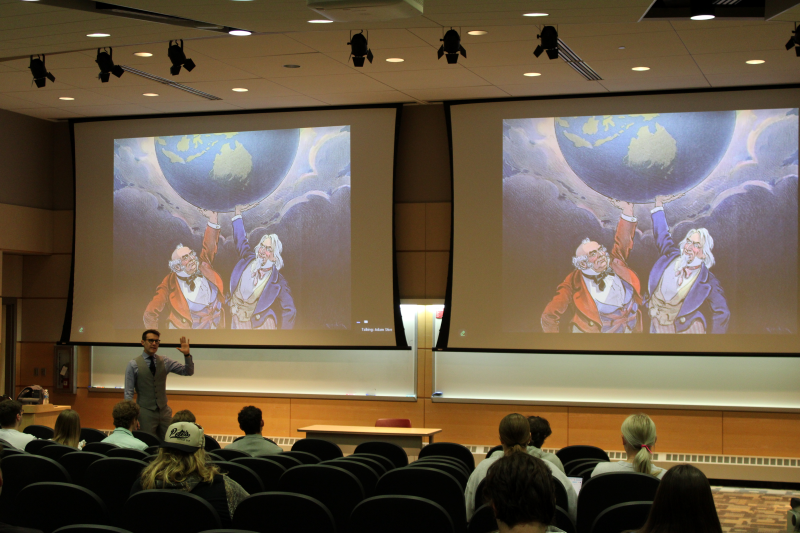 Scott C. Miller speaking to a group of students.
“From Colony to Capitalism: The Revolutionary Origins of American Economic Power”
Scott C. Miller, University of Virginia, visited UWL to explore why many post-colonial nations struggle economically after independence, often remaining tied to extractive colonial-era systems. He contrasted this with the United States, which broke from its British colonial model through the upheaval of the Revolution and the ensuing economic instability. Miller argued that this disruption forced innovation and restructuring, pushing Americans toward a more diversified and entrepreneurial economy. By the early 1800s, the U.S. had fundamentally shifted away from its colonial structure, laying the groundwork for sustained economic growth.
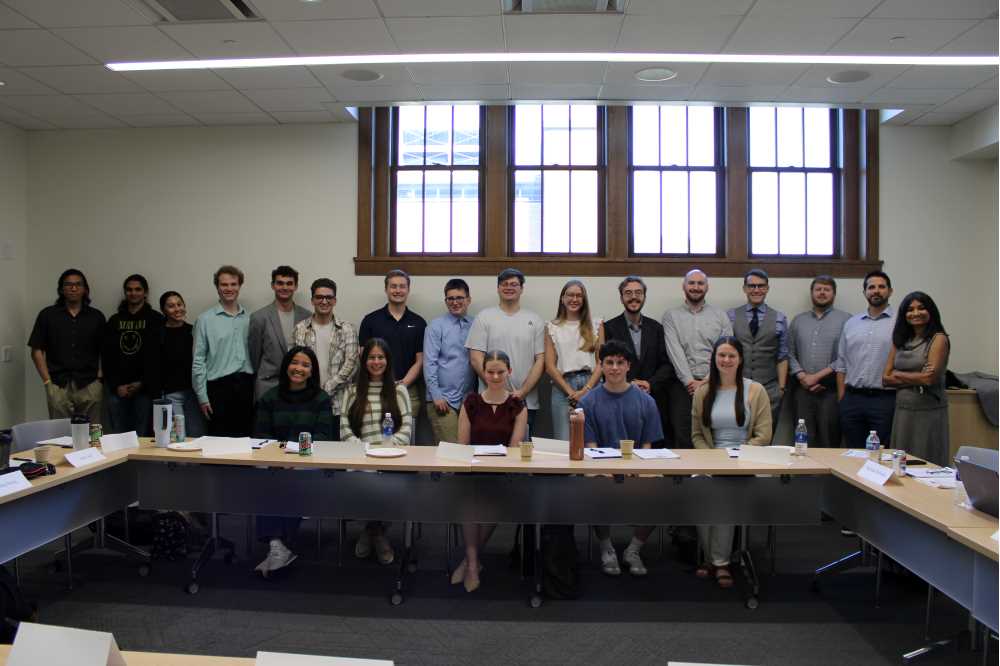
“The Revolutionary Origins of American Economic Power”
Our two-part colloquium series, sponsored by the Institute for Humane Studies, brought students together for a roundtable discussion led by Scott C. Miller and MFI’s Nicholas McFaden. As the second installment of the series, students explored the United States as an entrepreneurial nation through key readings from John Locke, David Hume, Adam Smith, and Alexander Hamilton, along with Miller’s Minerva Rising!.
The discussion focused on how early ideas about property, commerce, and political economy—alongside the development of American institutions—fostered a culture of innovation, entrepreneurship, and creative destruction. Students examined how these foundations shaped the nation’s economic trajectory from its founding to today, helping position the U.S. as a global leader in economic dynamism.
February
On Wednesday, February 25, 2026, we had Colin O’Reilly on campus visiting from Creighton University. Dr. O’Reilly is an Associate Professor of Economics and Director of the Menard Center for Economic Inquiry.
His lecture and roundtable discussion, “Regulatory Barriers to Entrepreneurship and Their Consequences,” led students to question: at its best, what can regulation do? Some of the ideas shared focused on safety standards, restaurant regulations, environmental protections, and the prevention of financial crises.
We also discussed the other side of the issue. When it comes to entrepreneurship, does regulation help by creating structure and stability, or does it create barriers that make it harder to enter the market? Does it encourage innovation—or limit it? It was a thoughtful conversation about how regulation shapes markets and the opportunities available within them.
A big thank you to Colin O’Reilly for traveling to the University of Wisconsin–La Crosse for his visit. We also appreciate the students who attended and contributed thoughtfully to the discussion!
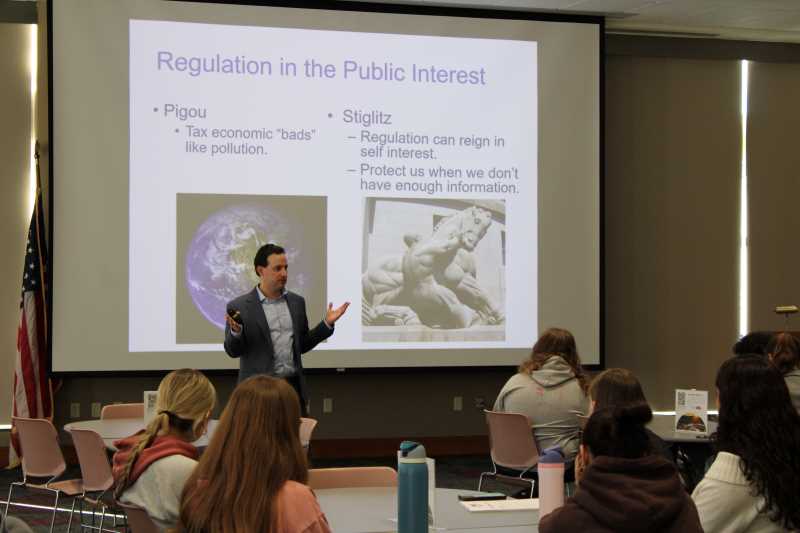 Colin O'Reilly speaking to students in an audience.
Fall 2025
Student and Faculty Presentations
The student and faculty presentations highlighted the research undertaken over the semester. Presenters shared their findings, methodologies, and insights with an audience of peers, faculty, and guests. The sessions prompted engaging discussions, with thought-provoking questions and comments encouraging deeper exploration of each topic. These presentations provided an excellent platform for participants to showcase their hard work and dedication, fostering a collaborative environment of learning and innovation.
Presentation Topics
Joshua Schulze-Reimpell, Grace Reek, and Kang Duong delivered a joint presentation titled “Perceived vs. Index-Based Economic Freedom as Predictors of Entrepreneurship & GDP,” which examined differing measures of economic freedom and their relationship to economic outcomes.
Student researcher Nainil (NJ) Jariwala presented “Surplus Hoaxes & Powerplays: The American Economic Order at a Breaking Point?” Alex Ewig followed with “A Comparative Analysis of Midwest Governance Models for Federal and State VC Programs,” and Ryan Kitzan presented “Self-Employment, Gender, and Future-Marking in Language.”
Student and Faculty Presentations
Research fellows also shared their work, with Joshua Schulze-Reimpell presenting “Win the War, Lose the Republic: The Rise of Authoritarianism Worldwide,” Grace Reek presenting “Healthcare Policy & Entrepreneurship: Evidence from Wisconsin,” and Kang Duong presenting “How Digital Money Is Rewriting the Financial System.”
The session concluded with a presentation by MFI researcher Nicholas McFaden, titled “Economic Freedom & Property Crime.”
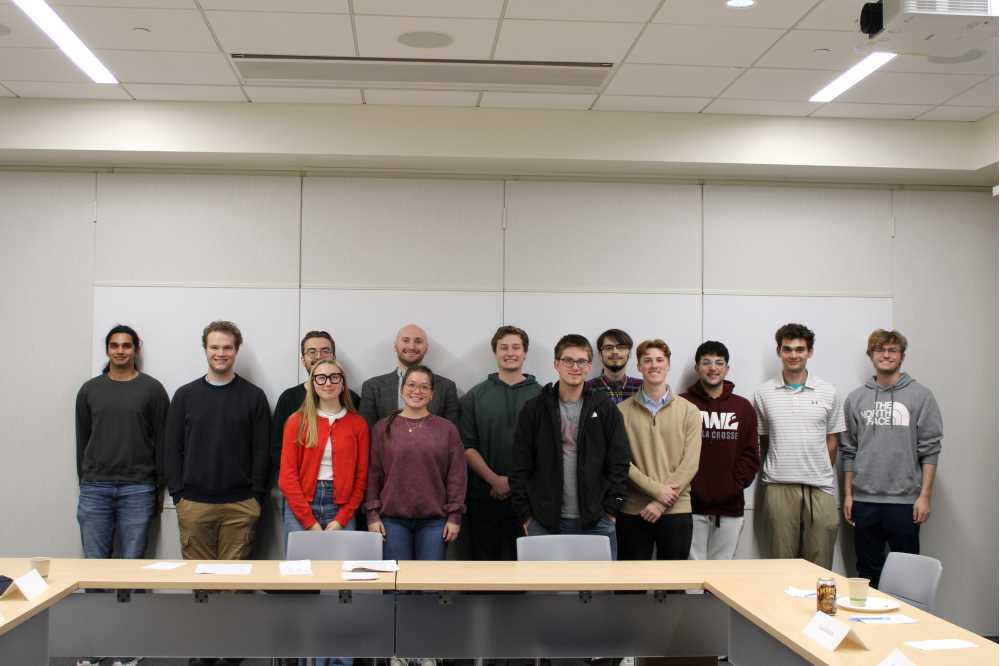
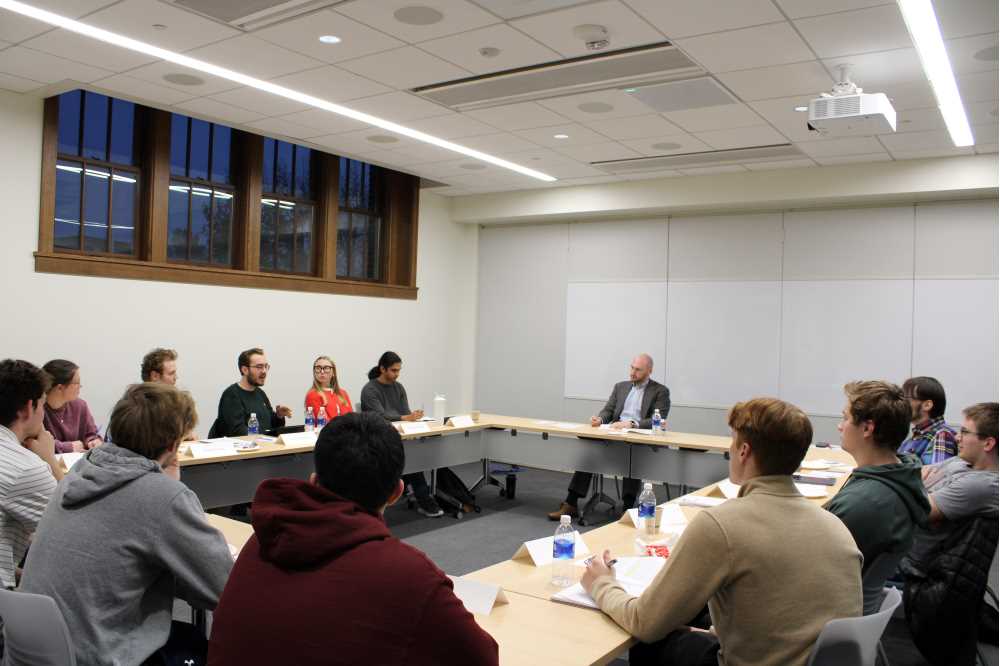
2025-2026 Colloquium Series, Part 1
On Friday, November 14th, the MFI hosted part one of the Colloquium series, featuring this semester's Economic Insights Fellows. These students discussed themes from "An Inquiry into the Nature and Causes of the Wealth of Nations", a text donated through the generosity of the Liberty Fund. Smith’s text introduced enduring concepts such as the division of labor, the invisible hand, and the power of free markets, ideas that continue to shape modern economic thought.
Overall, the group moved from analyzing luxury-driven innovation to engaging in a deeper debate about war’s economic, institutional, and philosophical implications, grounding their analysis in the principles and themes presented in Wealth of Nations
2025 Annual Entrepreneurship Research Conference
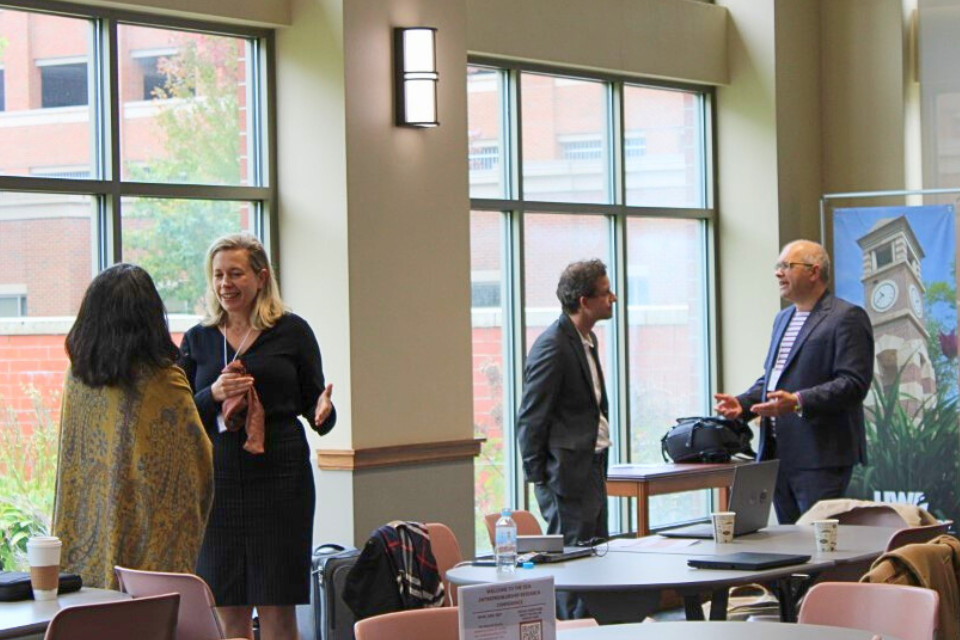
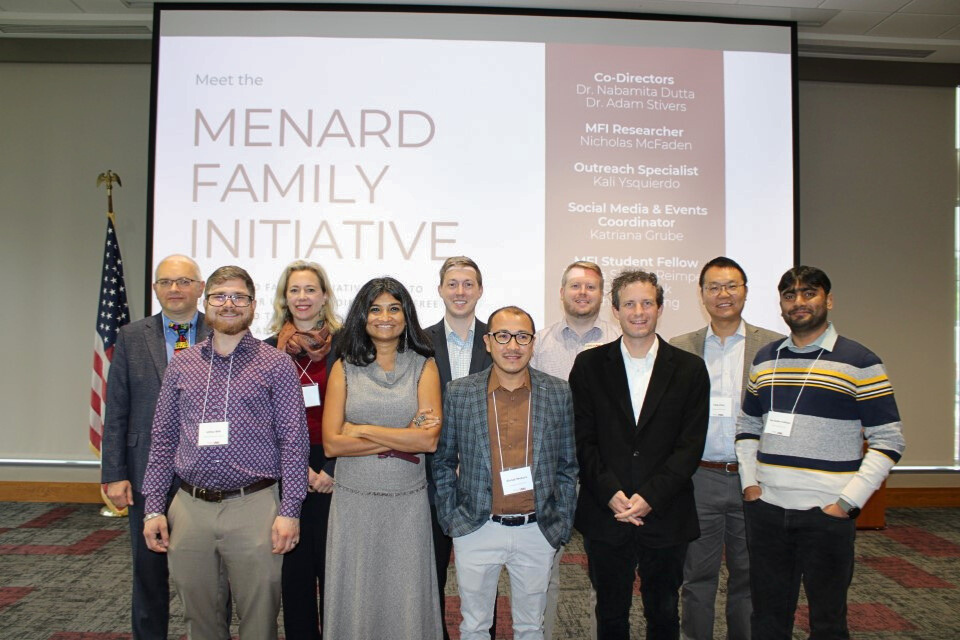
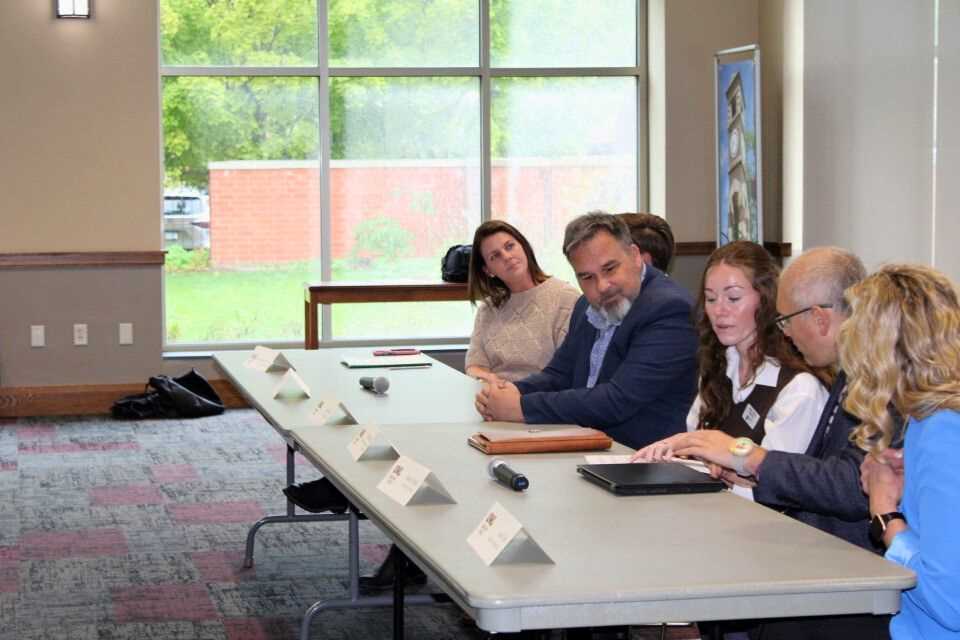
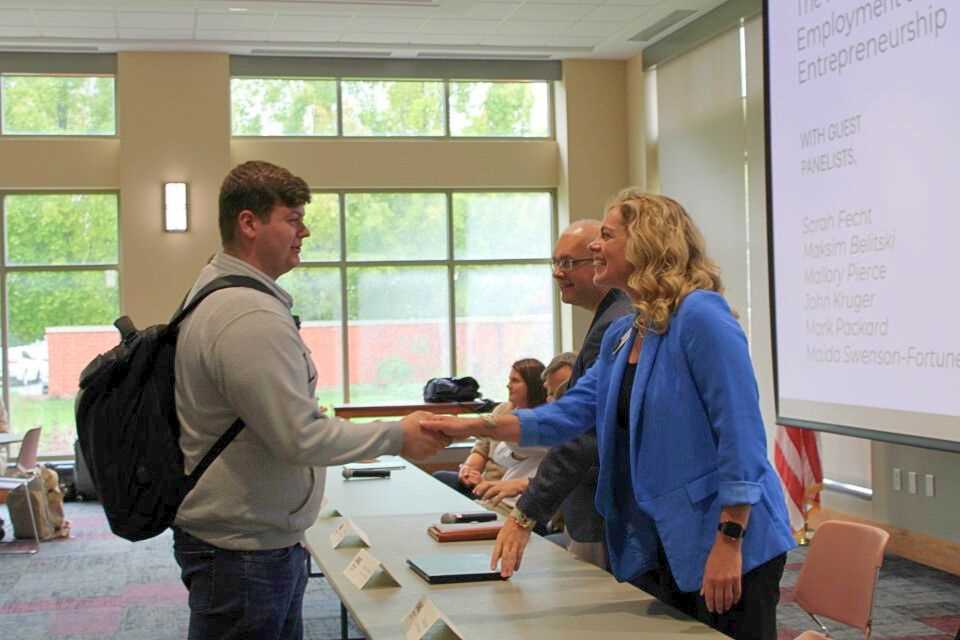
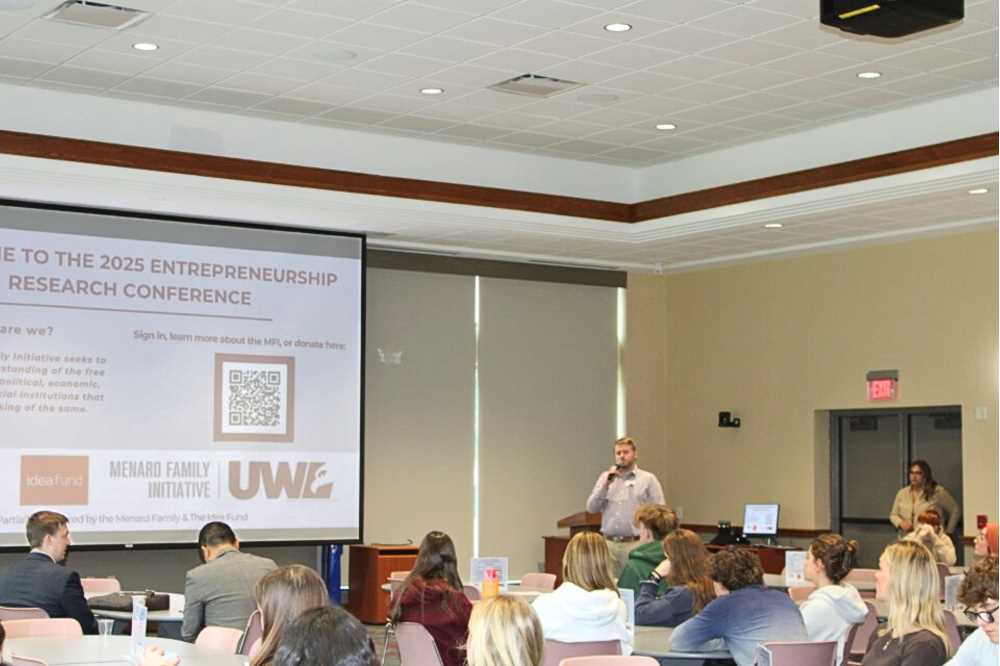
On Wednesday, October 15th and Thursday, October 16th, the MFI hosted its fourth annual Entrepreneurship Research Conference. The conference included a Visionary Ventures poster session where students presented entrepreneurial ideas, two keynotes, two academic sessions on various entrepreneurship topics, and two panel discussions titled Unresolved Questions and Future Directions of Entrepreneurship Research, and The Future of Self-Employment and Entrepreneurship.
The annual MFI Entrepreneurship Research Conference created an environment for dialogue between scholars, entrepreneurs, and students. Presentations and keynotes explored a wide range of important topics. The event brought together diverse voices from research, business, and education, creating a space where ideas could spark action. By fostering dialogue and partnership across sectors, the conference emphasized how collaboration is essential for driving innovation and shaping the future of entrepreneurship
Welcome Back Event
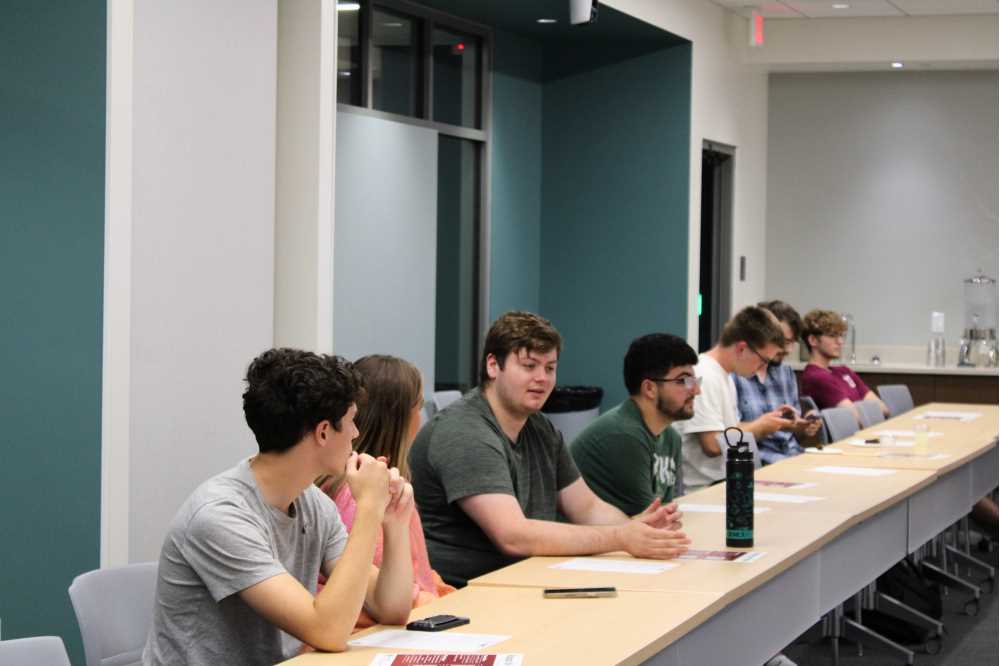
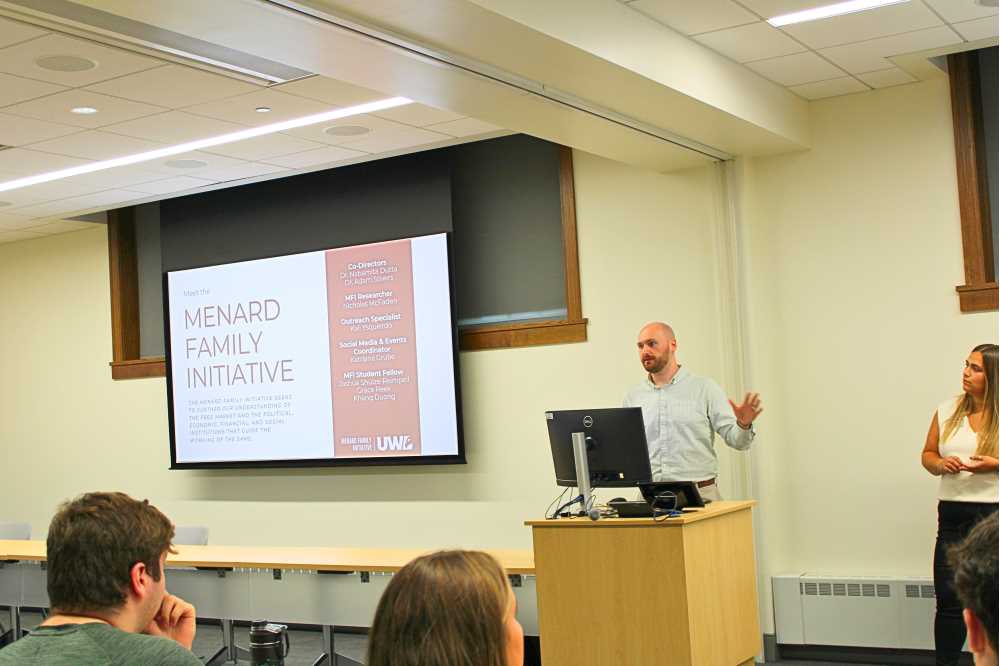
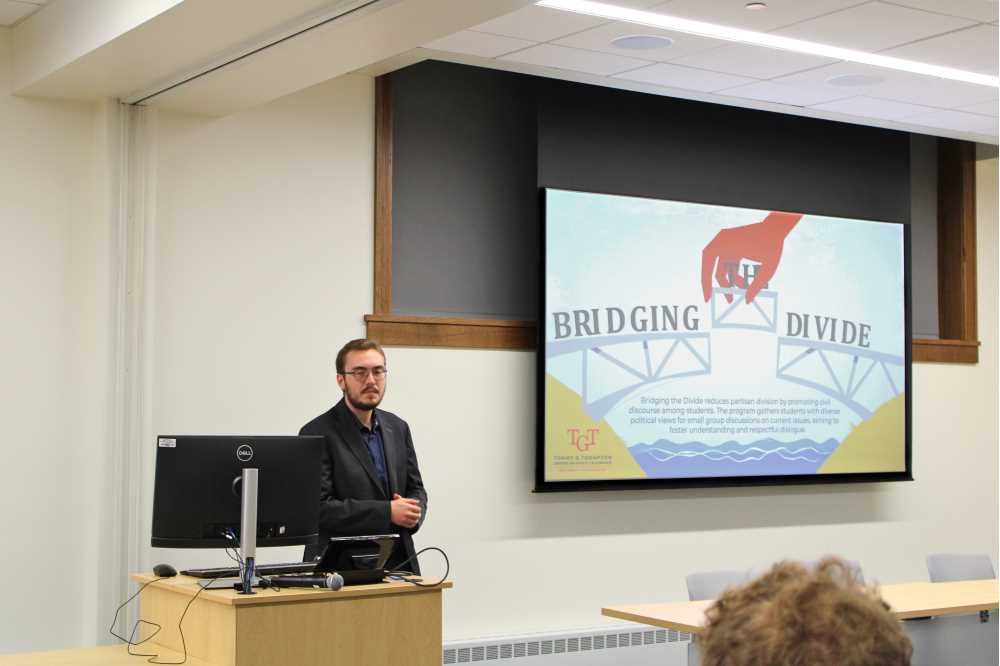
We started the school year with our information session, which was a great success! Students came together to learn more about MFI and discover ways to get involved this semester. The evening featured an introduction to MFI’s mission, an overview of opportunities, and plenty of time for questions and connections. We’re excited to build on these connections and embrace the opportunities ahead throughout the year!
Venture Capital 101: How Start-ups Get Funded
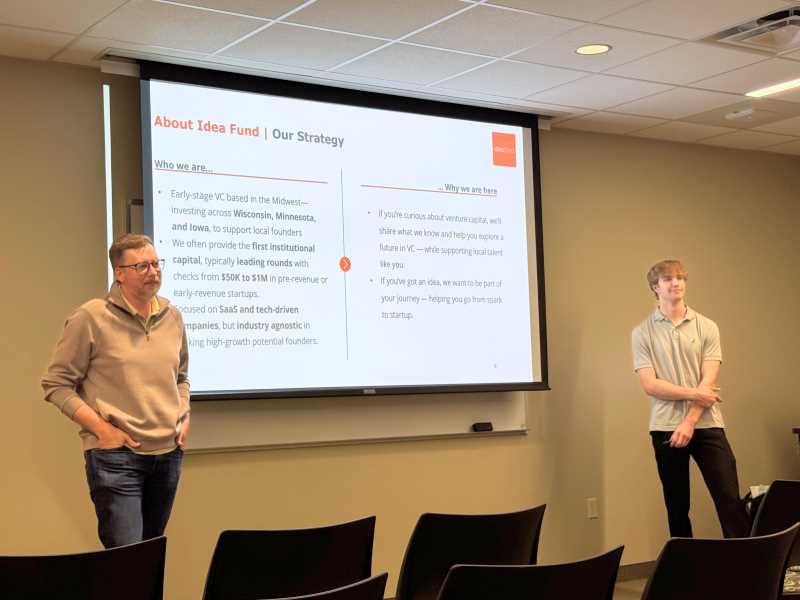
We partnered with the Idea Fund of La Crosse, a local venture capital firm, to host Garrett Lauderdale, VP of the Idea Fund. Students gained valuable insight into what venture capital is, how investment decisions are made, and common myths surrounding the industry. We also heard from UWL student Alex Ewig, who shared his experience interning with the Idea Fund over the summer.
To view more of our activities, check out our annual reports!

Want more?
Check out our Annual Reports for more content and full event recaps!