

Posted 10:24 a.m. Friday, April 10, 2026
UWL Graduate & Extended Learning partnerships, programs strengthen healthcare access across communities
While about 20% of Americans live in rural areas, only about 9% of the nation’s physicians practice in those regions, according to the National Rural Health Association.
At UW-La Crosse, programs and partnerships through Graduate & Extended Learning (GEL) are helping address rural healthcare challenges like these. From promoting scholarship opportunities that create workforce pathways in rural communities, to clinical placements that expose students to rural care, to a national rural health symposium that supports professional development, UWL is contributing to rural health in meaningful ways.
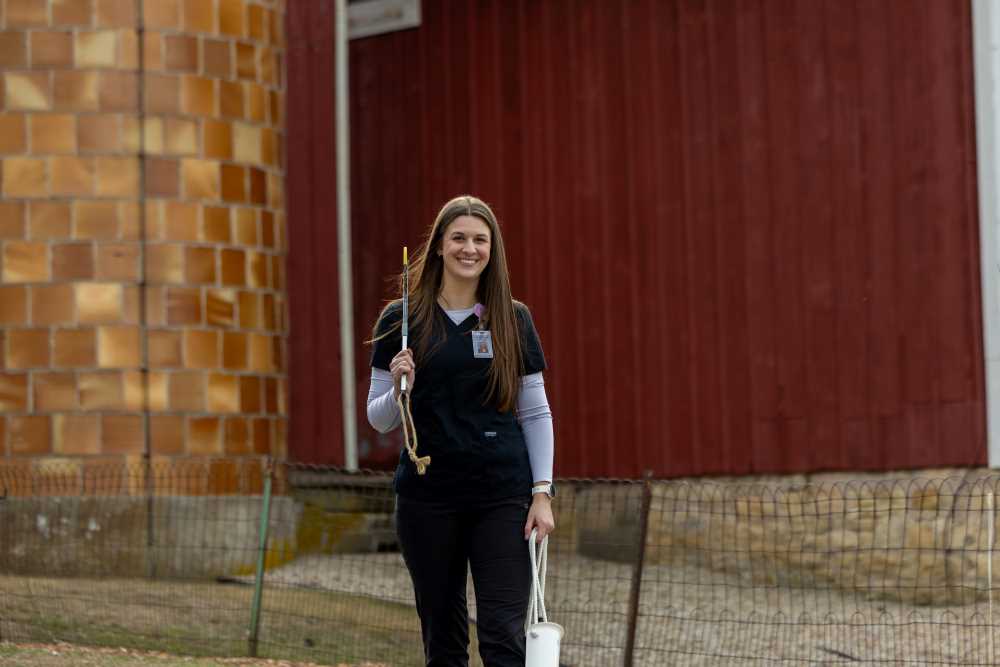
One example is the career direction of first-year occupational therapy student Mikayla Guldan who grew up in the rural community of Stratford, Wisconsin: population 1,500. She always assumed her career path would ultimately leave small-town life behind.
Now, a year into her graduate studies, she has changed her mind. Through a scholarship program connecting college students with rural communities in need of more healthcare professionals, Guldan is preparing for her future in rural health.
Guldan learned about a scholarship with Emplify Health by Gundersen – Hillsboro Hospital through an email from Occupational Therapy Program Director Laura Schaffer. After reaching out to tour the facility and meet with the human resources manager, she was convinced it was an opportunity she couldn’t pass up.
Guldan accepted a scholarship that covers both years of tuition and books for the Occupational Therapy program. In return, she will commit one year after graduation to working at Emplify Health by Gundersen – Hillsboro Hospital. For Guldan — who is paying her own way through graduate school — the scholarship also removed a major financial barrier. “This was a way to afford school and secure a job after graduation,” she says. “I had nothing to lose.”
Not only that, the scholarship led her to explore rural healthcare in more depth. She calls the hospital facilities in Hillsboro physically gorgeous, with welcoming staff in a place where she will be able to truly make a difference.
In many rural areas, patients must travel long distances — sometimes hours — for care. Having occupational therapy services available locally will make treatment more accessible and, for some patients, even make it feel more possible, she says. She will also have a lot of variety in her work, which she craves.
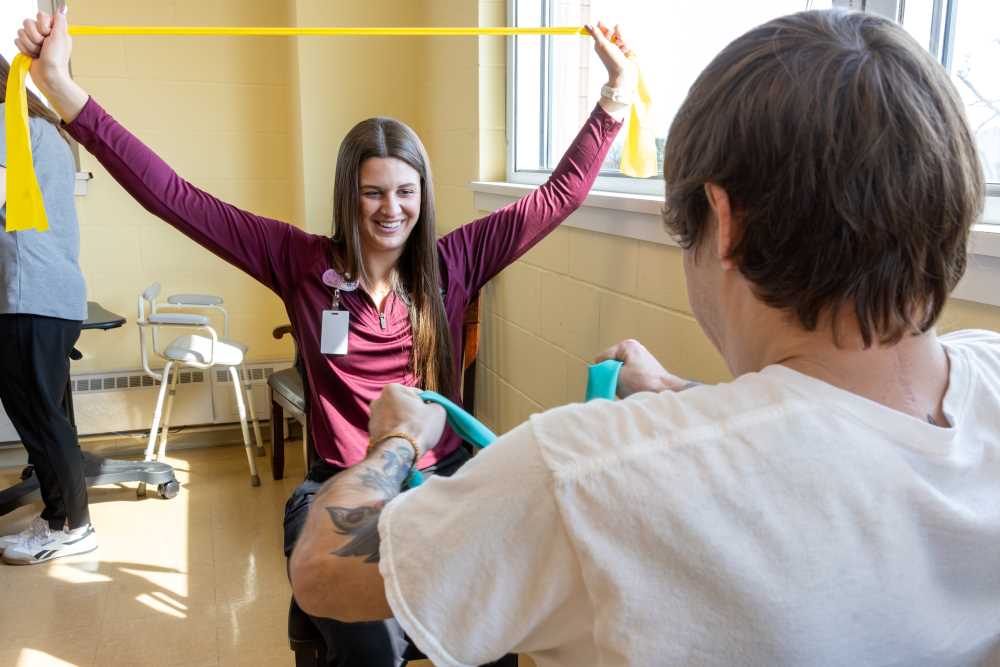
While all occupational therapy students are prepared as generalists, rural practice requires an especially broad and flexible skill set, explains Schaffer. Therapists in rural settings often treat patients of all ages and with a wide range of diagnoses, requiring them to adapt quickly and work across many areas of care.
“They don’t have a bigger hospital system, so you see a little of everything,” Guldan says. “Different types of injuries and situations — acute or severe. And because some patients stay longer, you can really build therapeutic relationships.”
Schaffer says continued partnerships with rural healthcare systems benefit both students and providers. Scholarship programs and clinical placements help create clear pathways for graduates to begin their careers in rural settings while giving healthcare systems access to a new generation of professionals.
Although fewer occupational therapists begin their careers in rural areas, Schaffer notes that many who do discover the rewards of the work — including professional autonomy and variety — ultimately thrive in those settings.
“I am hopeful that collaborations like this, along with programs offered through Area Health Education Centers (AHEC), such as AHEC Scholars, will help address the needs of both students and rural healthcare systems,” says Schaffer. “These initiatives provide valuable financial support and experiential learning opportunities for students while also supporting rural systems and the patients they serve.”
Guldan first discovered occupational therapy while working at a hospital in the Marshfield area as a high school student. Watching therapists help patients regain everyday skills quickly drew her to the profession’s holistic approach.
“I love to see individuals work so hard to get back to doing what they love … this is the work I want to do for the rest of my life,” she says. “For anyone considering a scholarship like this, I’d say take the chance and go for it. You are setting yourself up for success.”
Supporting health at rural schools
GEL programming is also expanding access to rural mental health care through an online initiative that enables school districts to recruit and train school psychologists from within their own communities. The university’s Online School Psychology program was launched in 2022 to help address the shortage of school-based mental health professionals in rural districts. It was established through a U.S. Department of Education School-Based Mental Health Professionals initiative in partnership with the Wisconsin Department of Public Instruction.
The program is the first in the state of its kind designed for full-time teachers — allowing current teachers to become endorsed as a school psychologist while continuing to teach. They earn a Master's of Science in Education and an Educational Specialist degree, which makes them eligible for endorsement for licensure as a school psychologist in Wisconsin.
By creating a pathway for districts to “grow their own” professionals, the program strengthens local capacity to support student well-being. It currently enrolls 42 teachers from across the state, with the first cohort of 10 set to complete the program this spring, prepared for futures in school psychology.
Clinical training in rural areas
Clinical training partnerships are one more way UWL is strengthening rural healthcare systems.
Amy Taebel and Michelle Olson, clinical associate professors and directors of Clinical Education in Health Professions, work with strategic partnerships that connect students with rural clinical rotations. Such placements help prepare UWL students for rural practice while also helping meet workforce needs in fields such as physical therapy and physician assistant studies.
Faculty note that PA and PT are key professionals who are playing an increasingly important role in both primary and emergency care in rural settings, helping to meet an evolving need in these rural settings.
"Training in rural healthcare setting helps physical therapy students develop adaptability, independence and strong clinical decision-making skills by exposing them to a wide range of patient needs,” says Taebel. “It also deepens their understanding of barriers to care and social determinants of health, enhancing patient-centered practice. These experiences prepare students to serve underserved populations and contribute to reducing healthcare disparities."
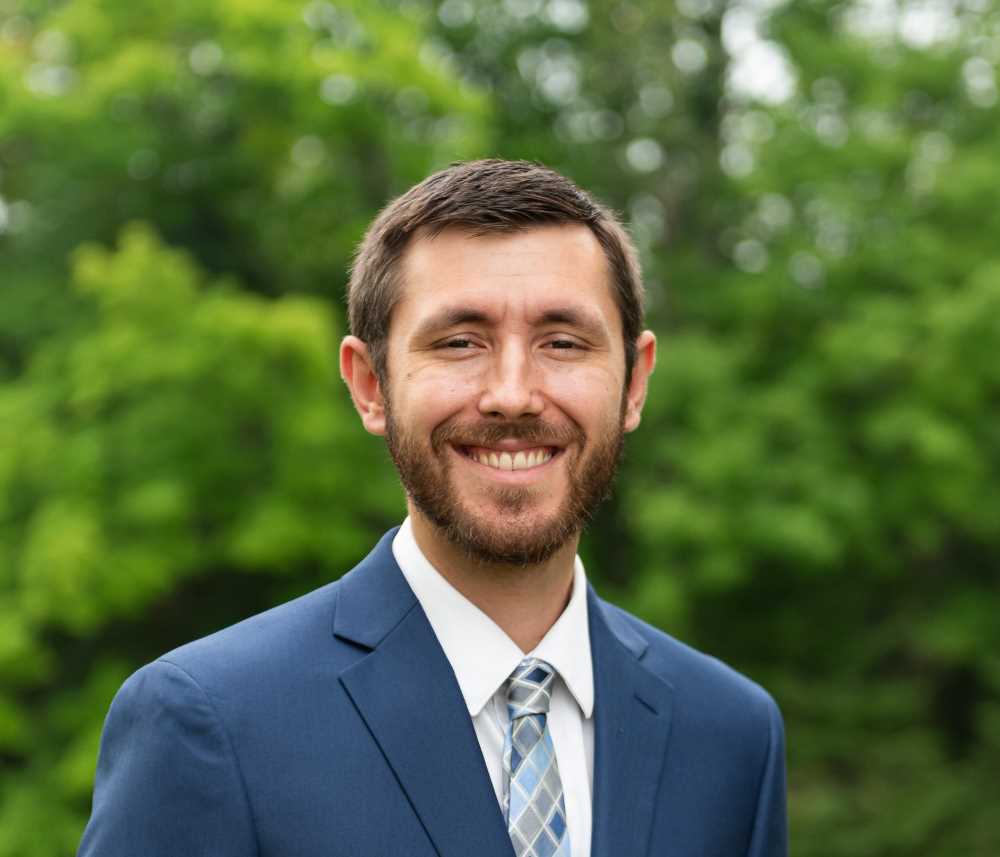
For Seth Polfus, a 2025 graduate of the physical therapy program, training at UWL opened his eyes to just how great the need is for healthcare providers of all kinds in rural communities. Today he is helping to fill that gap.
“In my town, I'm not just treating patients — I'm helping my neighbors get back to their lives,” says Polfus, now a PT at UP Rehab working in a rural setting.
Polfus grew up in Hermansville, a town of about 1,000 people in Michigan’s Upper Peninsula where his mother was a nurse and showed him how meaningful it is to care for people you know.
“That kind of connection, the chance to give back to the community that raised me, plus the clinical variety that comes with rural practice is what made me choose rural healthcare,” he says.
Bringing national voices together to strengthen rural health
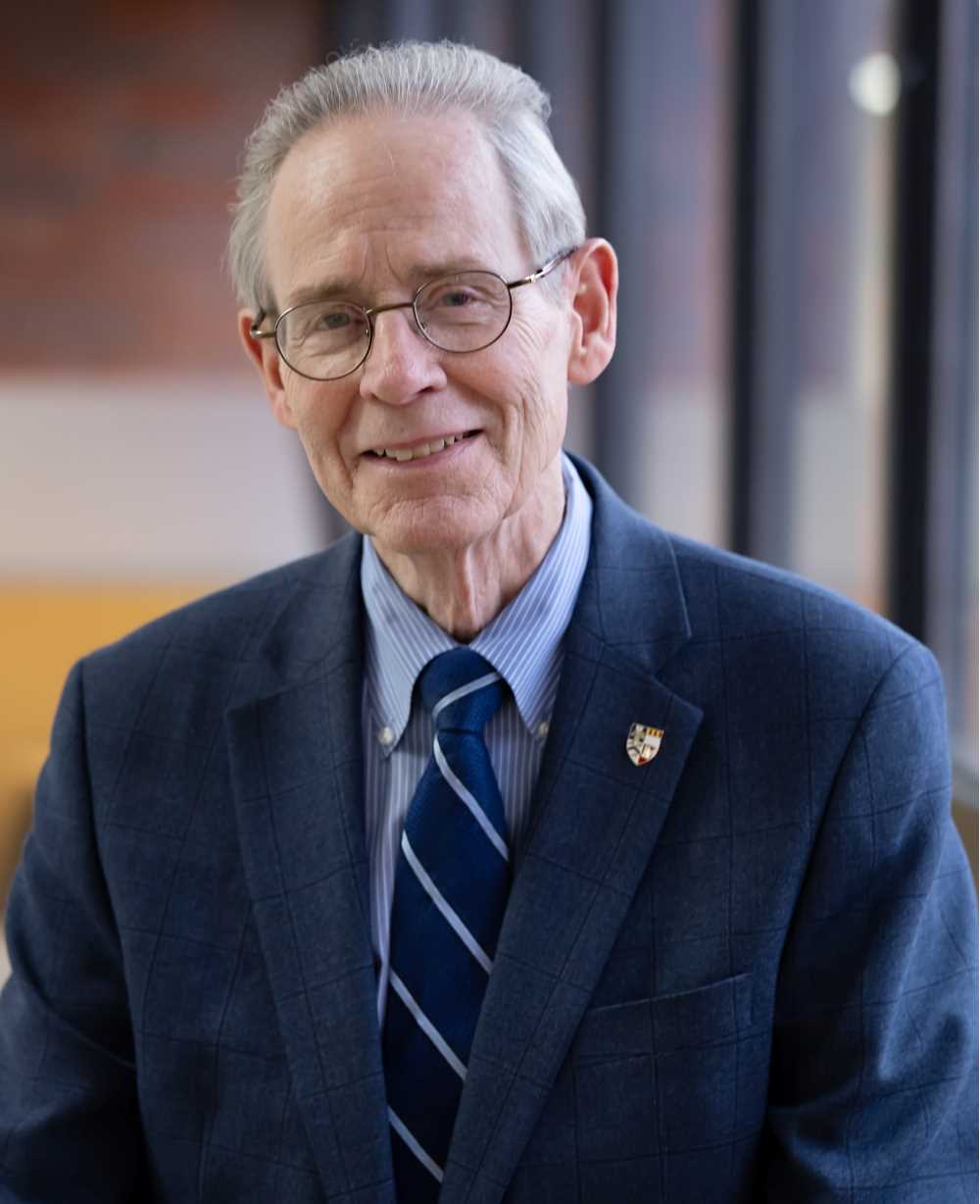
UWL’s impact extends beyond training future clinicians. Graduate & Extended Learning (GEL) also supports rural healthcare and public health professionals already working in communities across Wisconsin and the country through the Annual Rural Health Promotion Symposium.
For Dr. Gary Gilmore, director of community health programming in GEL who organizes the symposium with a dedicated planning committee, curiosity and collaboration are key to its success. Cooperating sponsors include the Wisconsin Office of Rural Health and the UW-Madison School of Medicine and Public Health.
“I think discovery is in my DNA,” he says. “When people come together with multiple voices and perspectives — that’s when discovery really happens."
That mindset shapes the event, which is now entering its sixth year. The online gathering connects healthcare professionals, public health practitioners, policymakers, educators, researchers and community advocates working to improve health outcomes in rural communities.
The event, scheduled for Oct. 6, 2026, focuses on both the challenges rural healthcare and public health systems face and the innovative partnerships emerging to address them. Participants from across Wisconsin and the nation share research, practical strategies and resources aimed at strengthening healthcare access, quality public health practice, and community well-being.
Gilmore’s work organizing this and other conferences occurs at the intersection of his position that includes teaching, credentialing and professional development. As a long-time professor of public health in the Department of Public Health and Community Health Education and director of community health programming in GEL, he helps prepare students for careers in public health while also supporting practicing professionals through continuing education opportunities.
“The joint appointment is what brought me to UWL and has kept me here,” Gilmore says. “I absolutely love what I do.”
The Rural Health Promotion Symposium grew out of that commitment to supporting practicing professionals with ongoing learning. Every five years, Gilmore conducts a national needs and capacity assessment through GEL to better understand emerging issues in rural healthcare, public health, and community well-being. Results from the most recent survey — based on over 330 responses from professionals and community members across the country — help shape the themes and speakers for the annual event.
“The focus comes directly from what people in the field tell us they need,” Gilmore explains.
This year’s program will explore both the strengths rural communities bring to healthcare and public health challenges, and the risks they face. Morning sessions will highlight rural assets such as strong cultural traditions and social connections, along with health-related assets, while afternoon discussions will address risk factors including limited access to medical services, economic pressures and the impacts of loneliness and social isolation.
The symposium’s national reach has grown significantly in recent years thanks to its virtual format. Hosted through Zoom by Graduate & Extended Learning, the event enables professionals across the country to participate without travel barriers. For the last few years, it has been combined with the Annual Wisconsin Health Education Network Meeting on the second day.
Participants represent a wide range of disciplines — from physicians and public health practitioners to policymakers, psychologists, educators and community advocates.
Networking is both a major outcome and a catalyst for the symposium. In one instance, Gilmore connected with the leader of the Centers for Disease Control and Prevention’s Office of Rural Health at a separate national meeting and invited her to serve as a keynote speaker. The result connected meeting participants more directly with federal expertise while enabling the office to hear from those in rural settings.
“That kind of collaboration is exactly what these meetings are about,” Gilmore says. “We encourage people to take what they learn back to their communities and share it.”
While the symposium primarily serves working professionals and community members, Gilmore also encourages students to attend.
“You don’t have to wait until you graduate to be part of these special conversations,” he says.
Ultimately, he sees the Rural Health Promotion Symposium as part of a broader effort to strengthen rural systems of health promotion, healthcare and public health.