



Adult Learners & Nontraditional Students Abroad
A page within International Education & Engagement
While historically the term “nontraditional student” has referred to older students, that term nowadays encompasses much more than just age. A nontraditional student could be 18-year-old students who are going to college while having a full-time job, or taking care of an elderly relative, or even being parents themselves. It could be somebody who decided to go back to college, or even start college for the first time, years after graduating from high school. There are many scenarios where students could be identified as nontraditional students, but the one distinctive factor in all scenarios is that these students face additional struggles because of balancing other concerns with their academic lives.
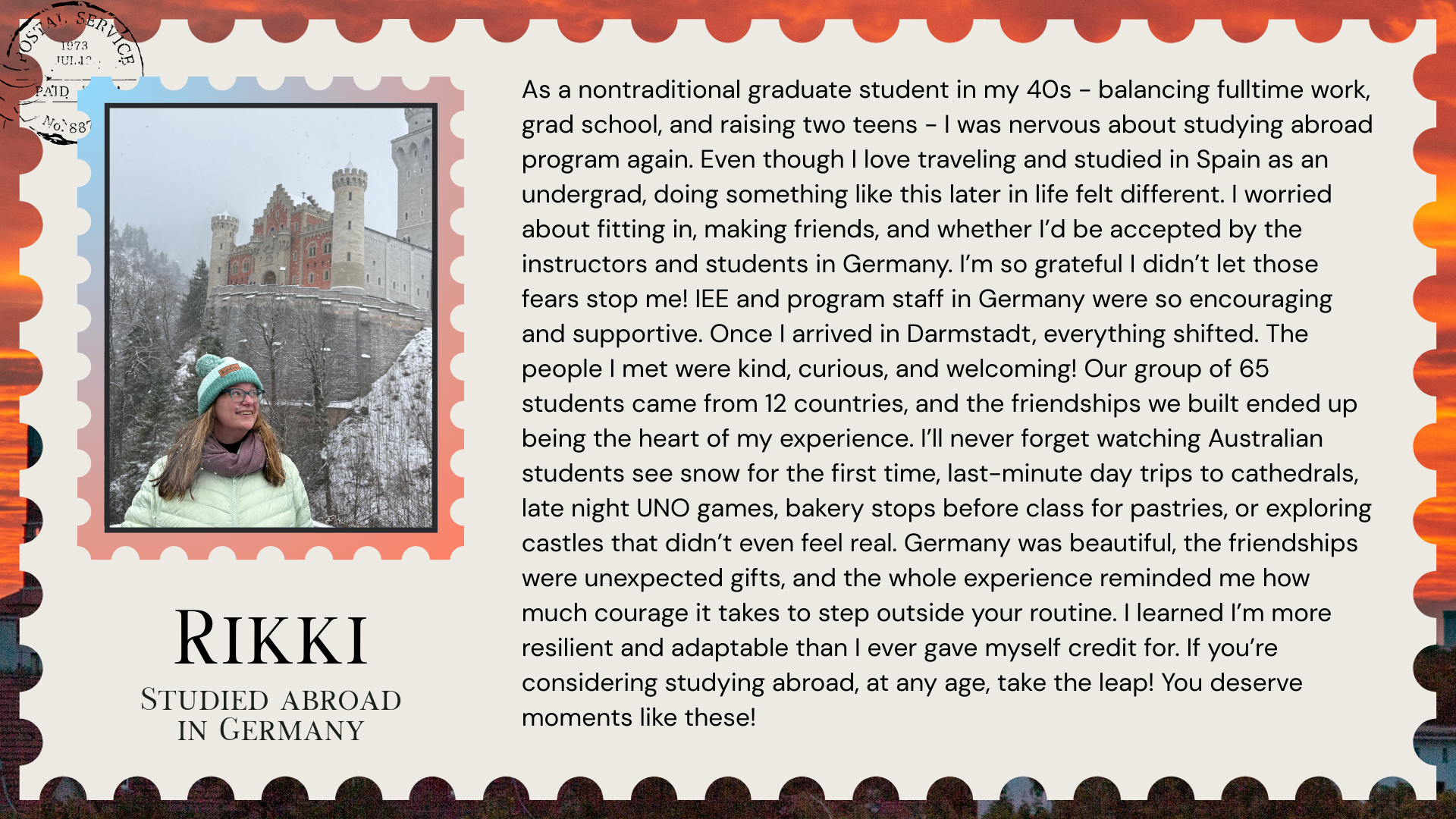
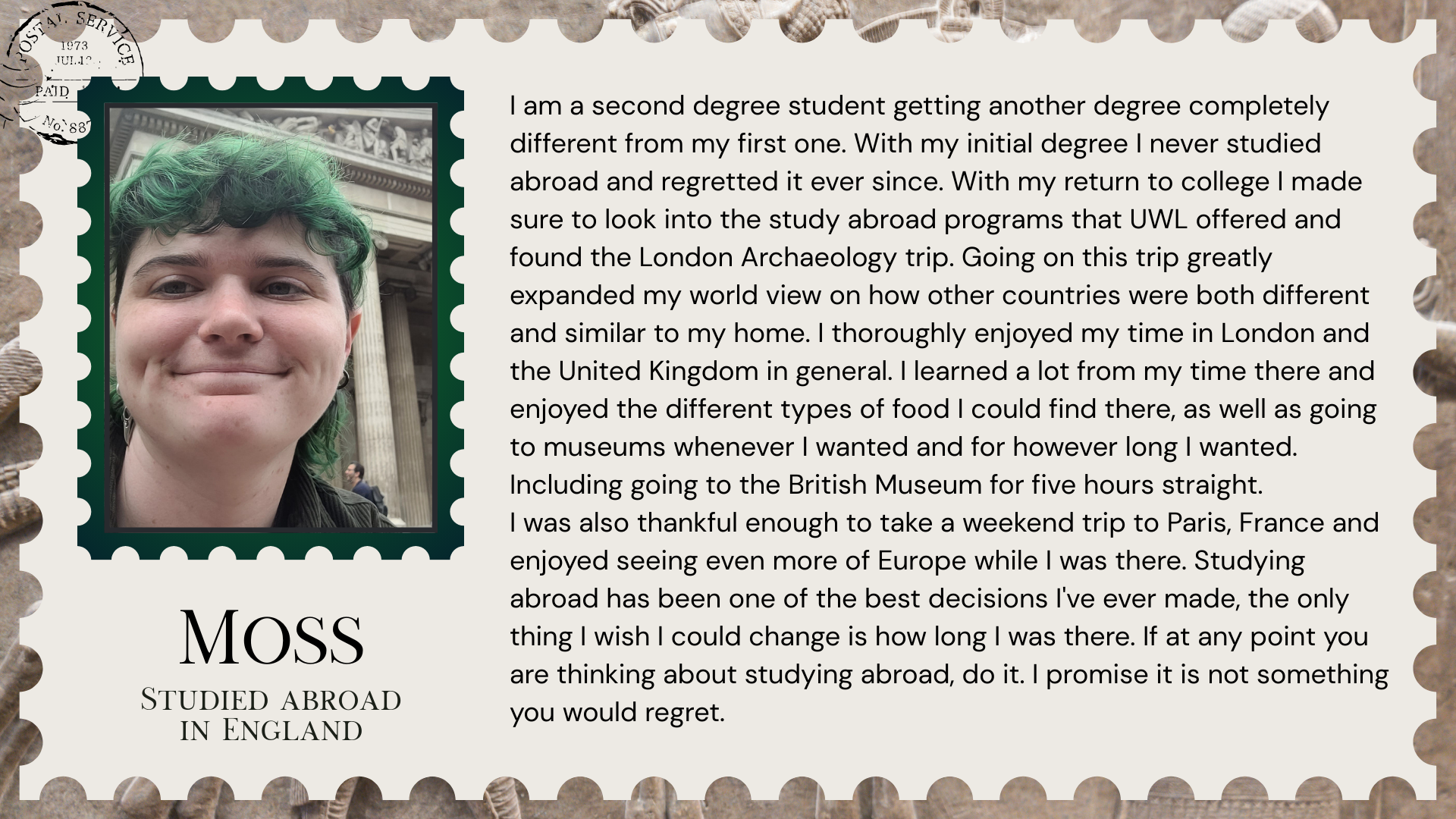
If you are a nontraditional student juggling many responsibilities on a daily basis, it is easy to assume that studying abroad is not an option for you. However, did you know that there are short-term education abroad programs that only last a few weeks? For example, UWL offers faculty-led programs that could last as little as a week over Spring Break, or 4 to 8 weeks over Summer or Winter Break. Additionally, many of the education abroad providers we work with also offer short-term programs. So, do not miss out on this life-changing opportunity!
These are a few things to think about while you are trying to figure out what education abroad program you would like to pursue:
- How long am I able to be away? A semester or just a few weeks in summer?
- If you have a job, can I take a leave from my job? For how long?
- If you are a parent, will I be able to take my kids with me while I study abroad? How about my partner? Will they be able to come?
- Can I be placed with a host family of similar age or interests?
- Can I request a single room?
- If I am unable to be gone for an extended amount of time, how can I maximize my experience in a short-term program?
The answer to these questions will help you get started. To learn more about the education abroad process, we encourage you to attend an Education Abroad 101 session. We are here for you!
Resources
Disclaimer
The resources provided on this website are for informational purposes only. They do not constitute an endorsement or approval by UW-La Crosse of any of the products, services, or opinions of the corporation, organization, or individual. UW-La Crosse bears no responsibility for the accuracy,



News
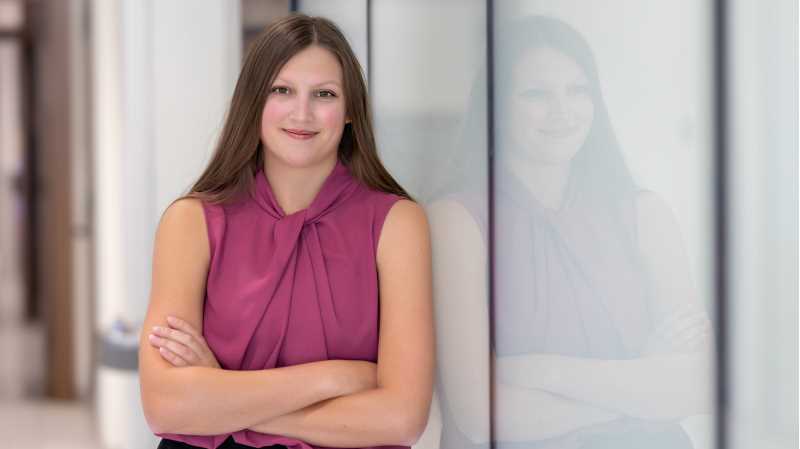 Finding her fit, launching her future
Posted 9 a.m. Wednesday, May 6, 2026
Business grad Jaidyn Strang reflects on UWL experiences that shaped her success
Read more about Finding her fit, launching her future
Finding her fit, launching her future
Posted 9 a.m. Wednesday, May 6, 2026
Business grad Jaidyn Strang reflects on UWL experiences that shaped her success
Read more about Finding her fit, launching her future
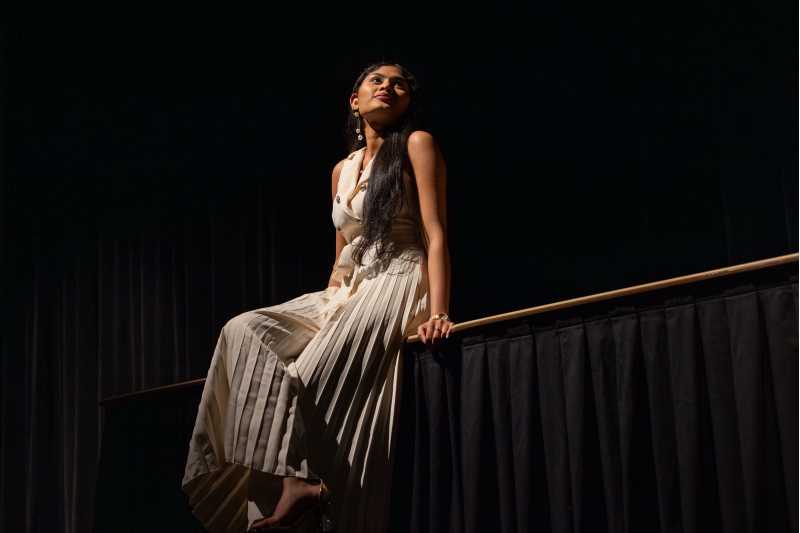 Lighting her path
Posted 4:25 p.m. Wednesday, April 29, 2026
Curiosity guides senior to patents, publications and leadership during undergrad years
Read more about Lighting her path
Lighting her path
Posted 4:25 p.m. Wednesday, April 29, 2026
Curiosity guides senior to patents, publications and leadership during undergrad years
Read more about Lighting her path
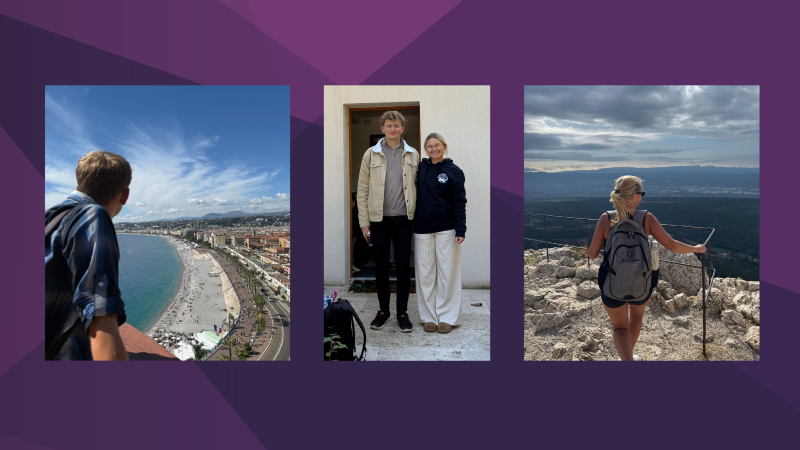 A world beyond home
Posted 9:38 a.m. Friday, April 24, 2026
Students find connection, confidence through global student teaching
Read more about A world beyond home
A world beyond home
Posted 9:38 a.m. Friday, April 24, 2026
Students find connection, confidence through global student teaching
Read more about A world beyond home
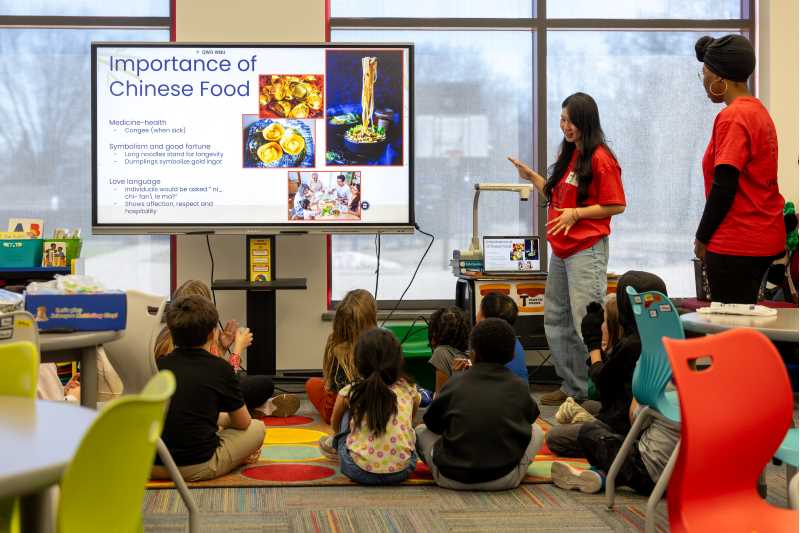 Beyond grammar
Posted 3:46 p.m. Friday, April 3, 2026
Language programs connect students with culture and community
Read more about Beyond grammar
Beyond grammar
Posted 3:46 p.m. Friday, April 3, 2026
Language programs connect students with culture and community
Read more about Beyond grammar
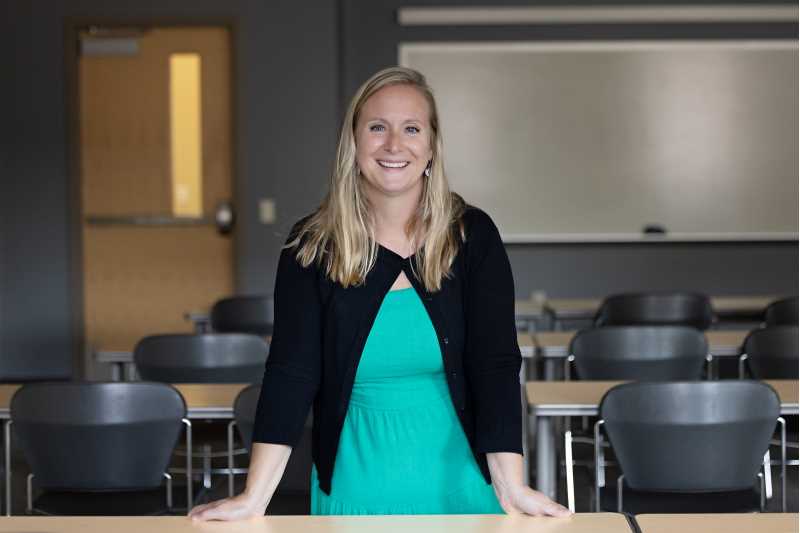 Living and learning abroad
Posted 12:14 p.m. Thursday, Sept. 25, 2025
UWL’s Nicole Gullekson bridges cultures, strengthens partnerships during semester in Slovakia
Read more about Living and learning abroad
Living and learning abroad
Posted 12:14 p.m. Thursday, Sept. 25, 2025
UWL’s Nicole Gullekson bridges cultures, strengthens partnerships during semester in Slovakia
Read more about Living and learning abroad