



Religious & Non-Religious Students Abroad
A page within International Education & Engagement
As cultures, ethnic backgrounds, and other aspects of your personal identity will vary from country to country, so will religion. In many countries, religion plays an important role and may be closely tied to the culture and legal system; therefore, understanding the local religious customs may even be essential to navigating day-to-day life, even if you are not religious yourself. For example, observance of certain religious customs may be required by local law or the local hours businesses are open might change during religious holidays.
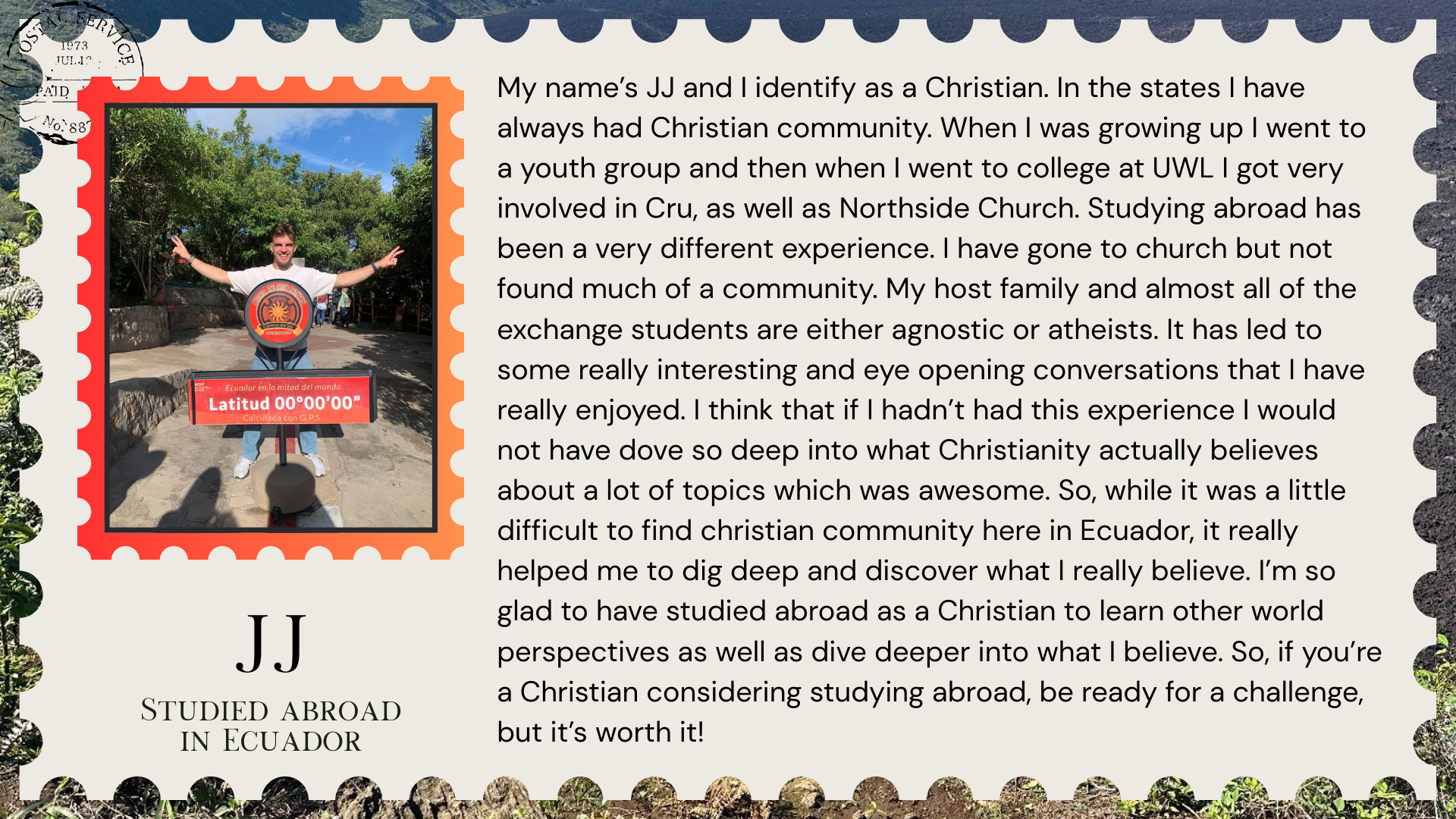
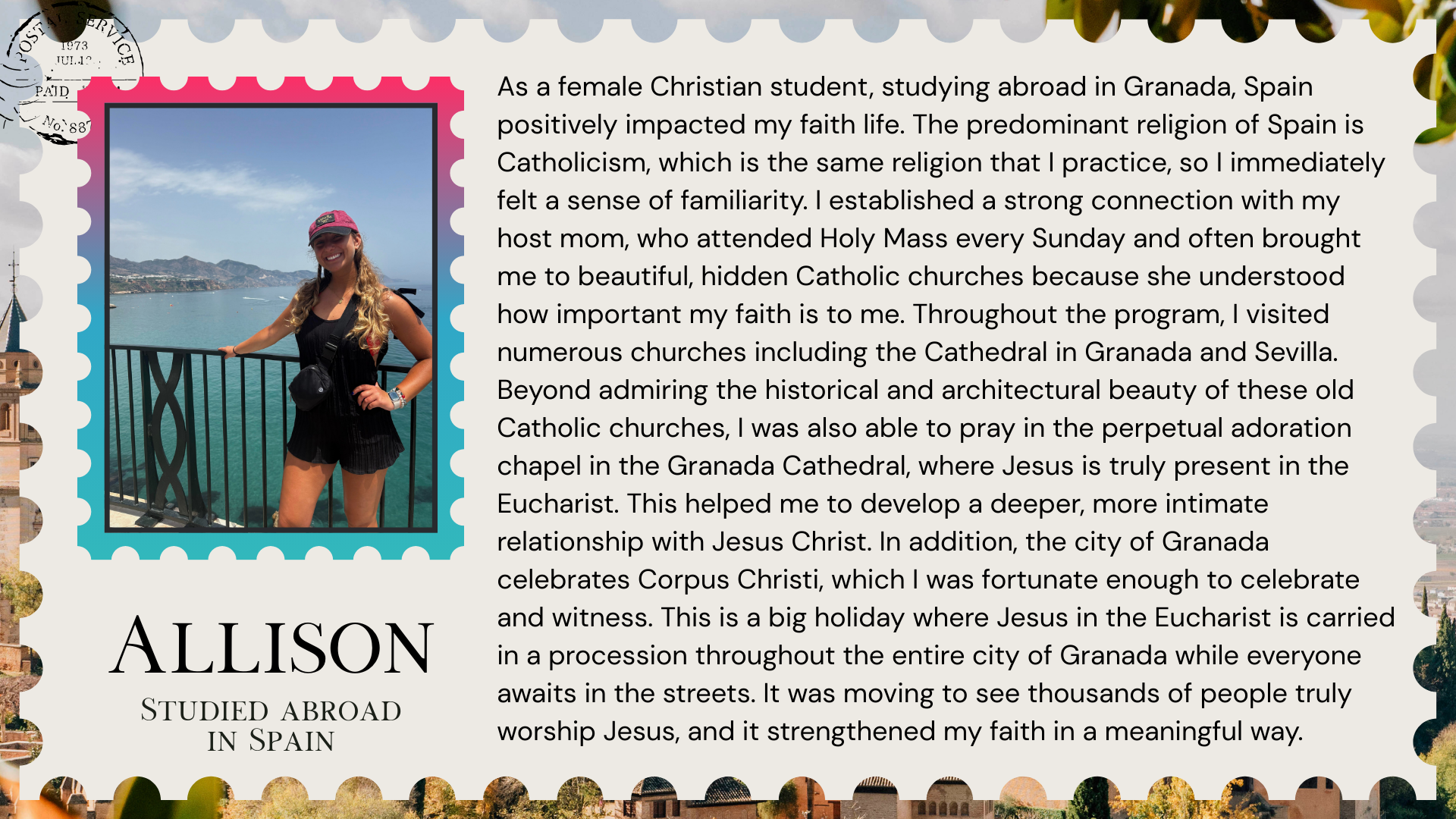
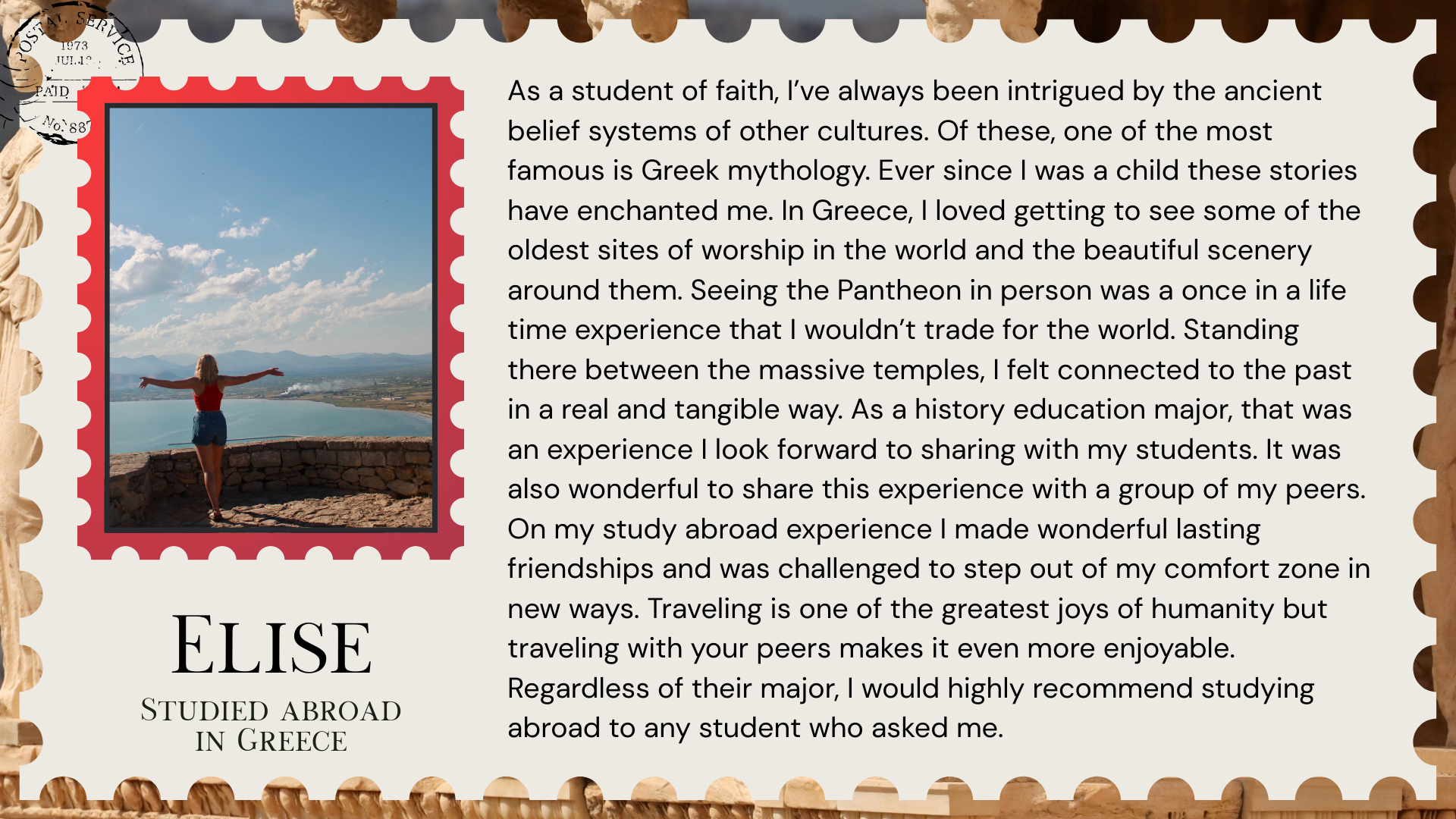
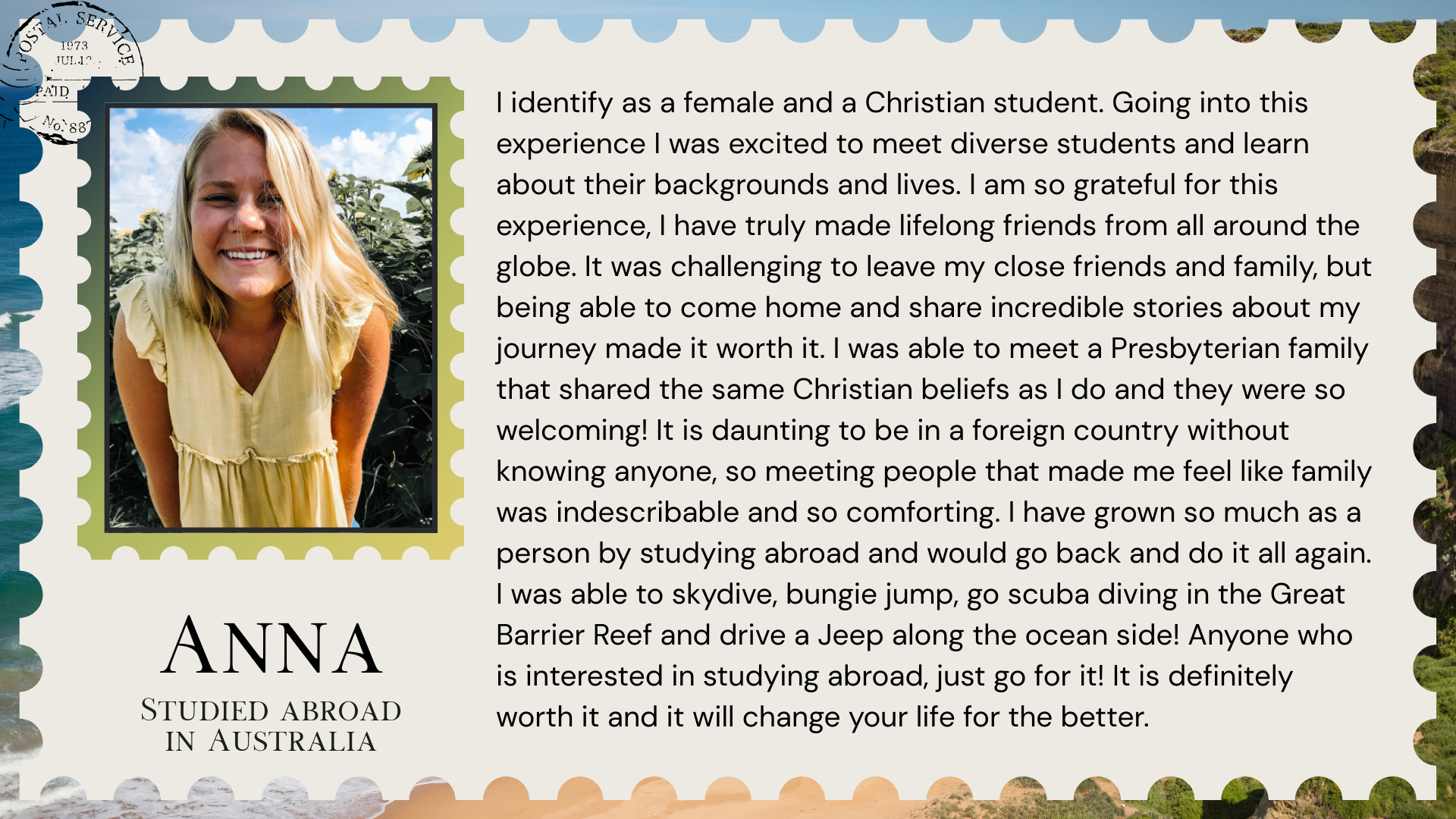
If you are a student of faith who would like to continue practicing while abroad, or a student who would like to learn about religious practices in the host country, you need to do some research. But before you even start the research process, take some time to think about your religious or non-religious identity. For example:
- Do you want to continue practicing by attending services, mass, etc.? Or are you comfortable with adjusting the way you will practice your religion while you are away?
- Do you have certain holidays that you will want to observe and celebrate during the time you will be abroad?
- Are there certain food/dishes that you must have during your religious holidays? Is that food or ingredients available abroad? Can you make those dishes?
- Do you need certain accommodations to practice your religion?
- If you are not religious, will you feel comfortable going to a country where religion plays an important role? Will you feel comfortable being included in/excluded from those practices and celebrations?
Once you are ready to do your research, one place you could start is the CIA’s World Factbook. This site allows you to search by country and provides the most recent statistics on religion.
If you are planning on worshiping abroad, research in advance location where you will be able to do so. These are some things to have in mind while you are doing your research:
- Is it realistic for me to continue to practice my religion abroad in the same way I practice it at home or on campus? Your expectations will be a big influencer in your overall experience.
- What is the extent of religious tolerance (or lack of) in that country? Is there a dominant religion? Are all religions tolerated?
- Is there a chance that I will be in the religious minority?
- Will there be a place where I can worship? Will there be services offered in my native language?
- Is it safe to wear religious symbols and/or clothing? Is it safe to openly practice my religion?
- Can I accommodate my dietary restrictions?
- Are there specific religious holidays that I’d still like to practice while I am abroad? Are they celebrated in that country? How?
- Even if my religion is openly observed in that country, are there different practices and/or customs in the way they practice it?
If you are not a religious person, there are also things that you will need to consider:
- How can I respect the religious holidays and customs in that country?
- What religious holidays occur during my stay? What will they entail? Am I comfortable with that?
- Will religious beliefs within that country influence how people interact with me because of my non-religious identity?
- How will I feel, if I participate in excursions to sites of worship?
- Are there laws regarding some religious practices?
- Is there separation of religion and government?
Whether you are a student of faith or not, remember to be open minded about the different beliefs you may encounter while abroad and consider how your own religious beliefs may be received by the local culture. If you have any concerns or would like some help with your research, do not hesitate to contact your Education Abroad Advisor.
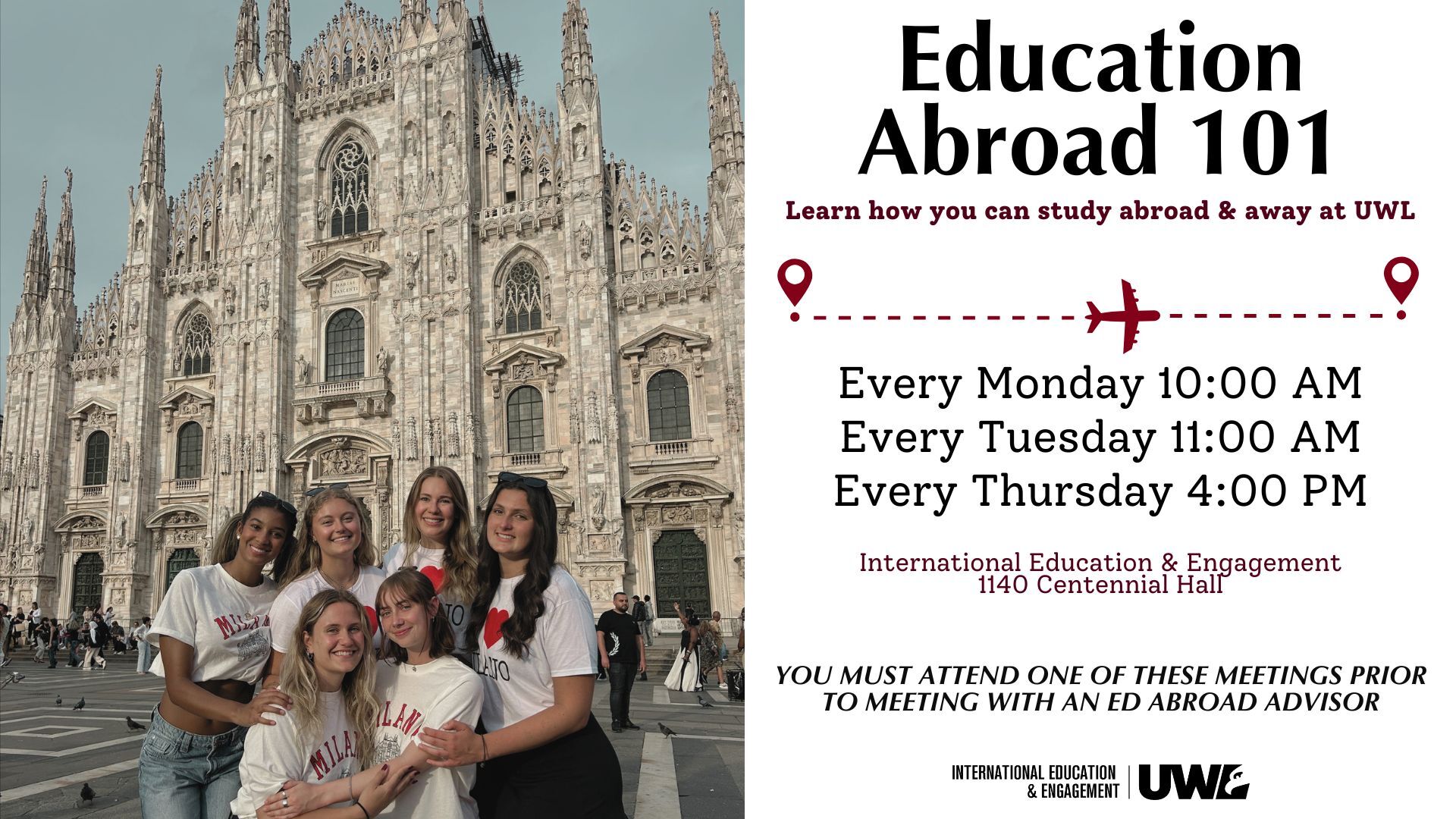
To learn more about the education abroad process and programs offered at UWL, we encourage you to attend an Education Abroad 101 session. We are here for you!
Resources
5 Best Countries for Religion Study Abroad
The International Religious Freedom Report from the U.S. Department of State describes the status of religious freedom in every country.
Religion and Dietary Practices
Disclaimer
The resources provided on this website are for informational purposes only. They do not constitute an endorsement or approval by UW-La Crosse of any of the products, services, or opinions of the corporation, organization, or individual. UW-La Crosse bears no responsibility for the accuracy,
Student's Testimonials







News
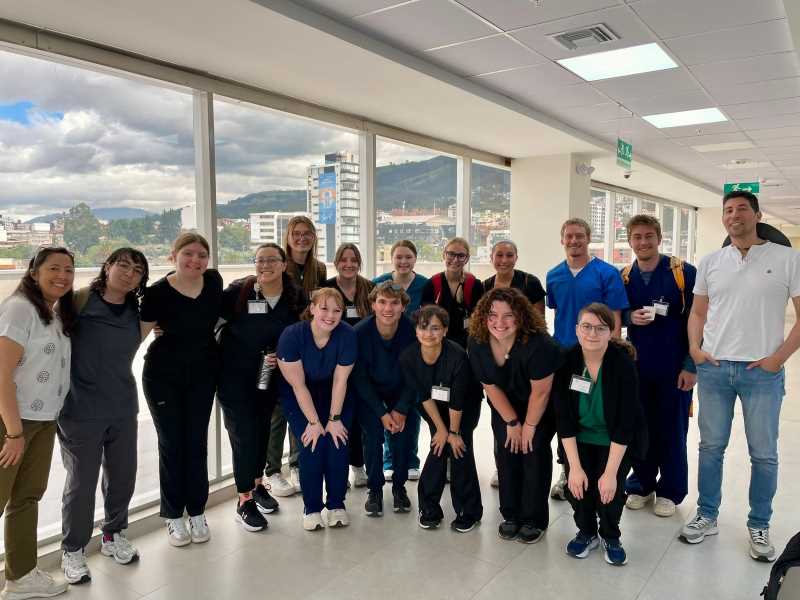 A deeper understanding
Posted 9 a.m. Friday, Sept. 4, 2026
UWL students gain medical, cultural experience through Ecuador study abroad
Read more about A deeper understanding
A deeper understanding
Posted 9 a.m. Friday, Sept. 4, 2026
UWL students gain medical, cultural experience through Ecuador study abroad
Read more about A deeper understanding
 Introducing the Spotlight Series
Posted noon Wednesday, Sept. 2, 2026
New event series builds campus and community connections
Read more about Introducing the Spotlight Series
Introducing the Spotlight Series
Posted noon Wednesday, Sept. 2, 2026
New event series builds campus and community connections
Read more about Introducing the Spotlight Series
 Exchanging more than ideas
Posted 12:44 p.m. Friday, Aug. 21, 2026
UWL-Frankfurt partnership opens doors for global connections
Read more about Exchanging more than ideas
Exchanging more than ideas
Posted 12:44 p.m. Friday, Aug. 21, 2026
UWL-Frankfurt partnership opens doors for global connections
Read more about Exchanging more than ideas
 Built to innovate
Posted 1:11 p.m. Wednesday, July 22, 2026
Research, entrepreneurship, leadership define NJ Jariwala's path at UWL
Read more about Built to innovate
Built to innovate
Posted 1:11 p.m. Wednesday, July 22, 2026
Research, entrepreneurship, leadership define NJ Jariwala's path at UWL
Read more about Built to innovate
 Finding her fit, launching her future
Posted 9 a.m. Wednesday, May 6, 2026
Business grad Jaidyn Strang reflects on UWL experiences that shaped her success
Read more about Finding her fit, launching her future
Finding her fit, launching her future
Posted 9 a.m. Wednesday, May 6, 2026
Business grad Jaidyn Strang reflects on UWL experiences that shaped her success
Read more about Finding her fit, launching her future