



Student Athletes Abroad
A page within International Education & Engagement
Student athletes have larger time commitment and tighter schedules in order to keep up with their academics and training during and off season. It might be easy for them to assume that there is not time to study abroad. The good news is that this is a misconception. If you identify as a student athlete, with some planning and good communication with coaches, academic departments, and IEE you can also take advantage of this transformational learning opportunity. Not only you will be immersed in and learn from another culture, but you will see your sport from another country’s perspective. The key is early planning.
What Does the NCAA Say?
“Coaches and administrators find that study abroad helps fulfill the ideal of equipping students to thrive after graduation in an increasingly globalized society” Hiskey, NCAA News, 2011
“In Division I, approximately 27 percent of student-athletes have either studied abroad or plan to do so” “For Divisions II and III, roughly 30 and 40 percent of student-athletes, respectively, have studied or plan to study abroad” NCAA, 2015.
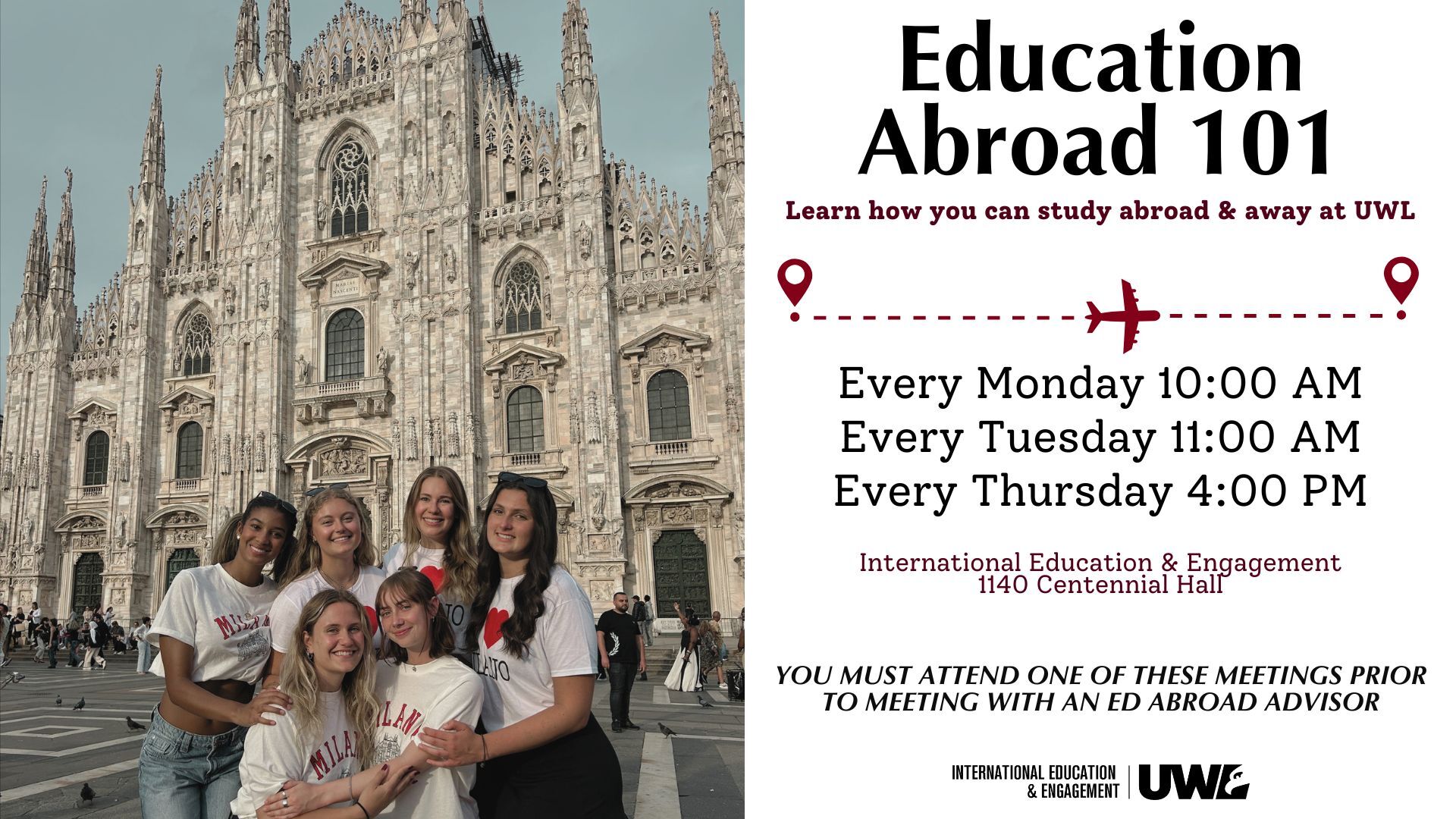
As any student who is planning to study abroad, you will need to do some research. Before you start your research, make sure to learn about the different programs options here or by attending an Education Abroad 101 session. Then, talk with your coach to identify when it would be better for you to study abroad and for how long. For example, did you know there are short-term summer programs which most likely will not interfere with your commitments as a student athlete? If you explain to your coach why education abroad is a priority for your college education, your coach is very likely to be supportive of your decision. It is very important to give your coach plenty of notice about your plans to participate in an education abroad program.
Once you are ready to start your research, use these suggestions and questions to guide you. If at any time you feel lost or have questions, do not hesitate to contact our office. IEE Education Abroad Advisors will be more than happy to help you!
- Look for program options that cater to student athletes. A great option is the Spanish-American Institute of International Education (SAIIE) in Seville, which offers college athletes the opportunity to train with and play against local Spanish teams during the spring, fall, or summer term, while taking courses at SAIIE, Universidad de Sevilla or EUSA private University and earning college credits. SAIIE offers the following sports programs: rowing, rugby, soccer, swimming, volleyball, and water polo. Learn more here, and find our application here.
- Think about your educational goals. Can you meet some of your academic goals during a short-term program during Summer Break?
- Find ways you can stay active while abroad to continue with your training. Is it easy to find public sport facilities in that country/city? Does the institution abroad offer athletic facilities on campus?
- Think about ways to connect with other athletes while abroad. Are there club or intramural teams I can join in that institution?
- Find out how your sport is viewed in that country? Is it popular? If it is a sport that is not that popular in that country, it might be difficult to find ways to keep up with your training.
- Think about being a spectator. Are there sport events held in that country that relates to what I play?
- Ask you coach for alternative training options that can be easier to follow abroad.
- Think about alternative options to stay in shape such as bike rides or hikes.
- If I do not find anything related to what I play here, will I consider trying something new like a local sport?
- Think of various ways you will communicate with your coach and your team, have a plan in mind!
Start your research based on the information above. Again, if at any time you feel you need some help, do not hesitate to schedule an appointment with an Education Abroad Advisor. We are here for you!
Resources
How to Study Abroad as a College Athlete
Common Myths About Studying Abroad as a Student Athlete
ISA Video :60 on Study Abroad – Athletes Abroad
Disclaimer
The resources provided on this website are for informational purposes only. They do not constitute an endorsement or approval by UW-La Crosse of any of the products, services, or opinions of the corporation, organization, or individual. UW-La Crosse bears no responsibility for the accuracy,
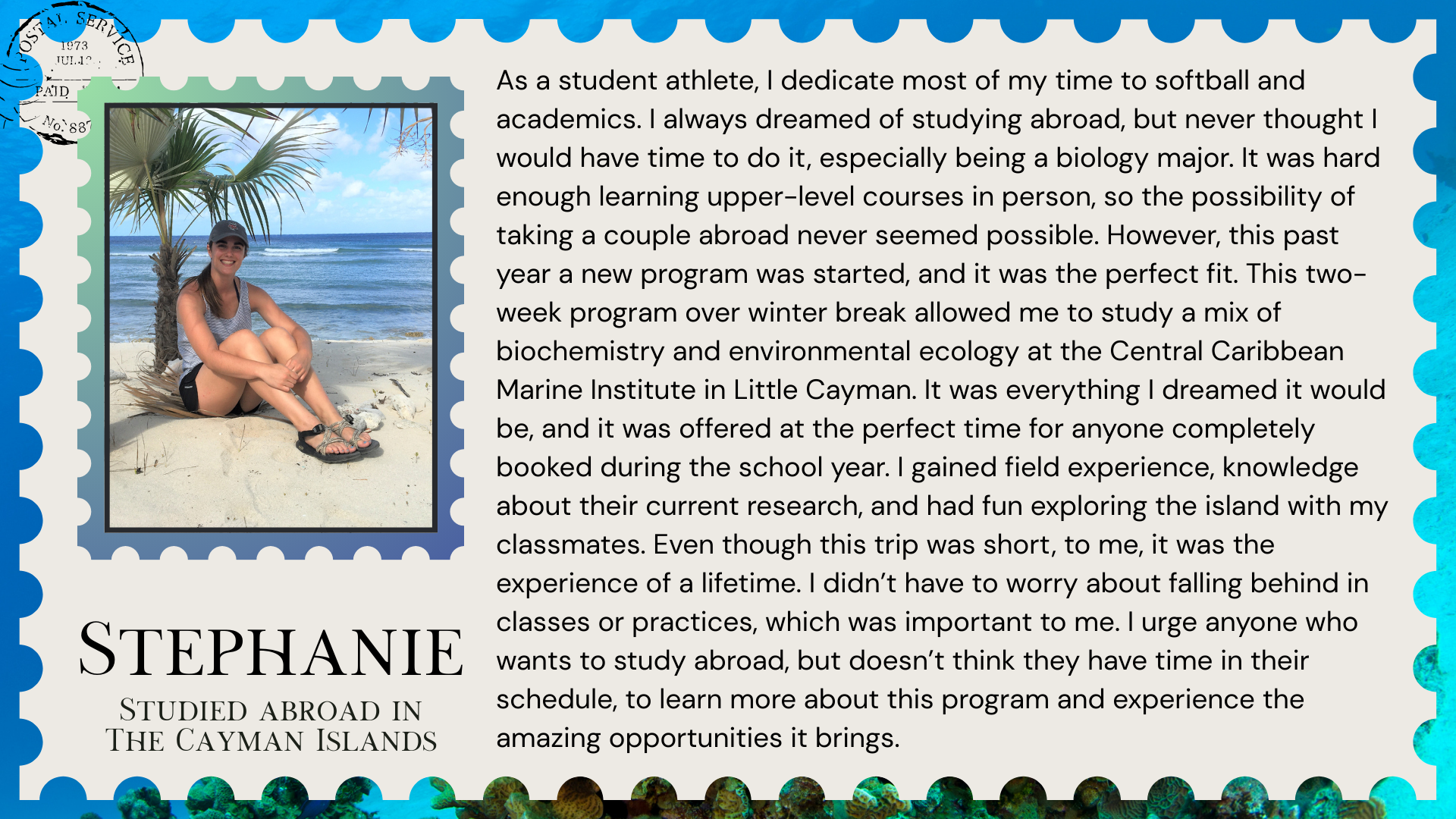
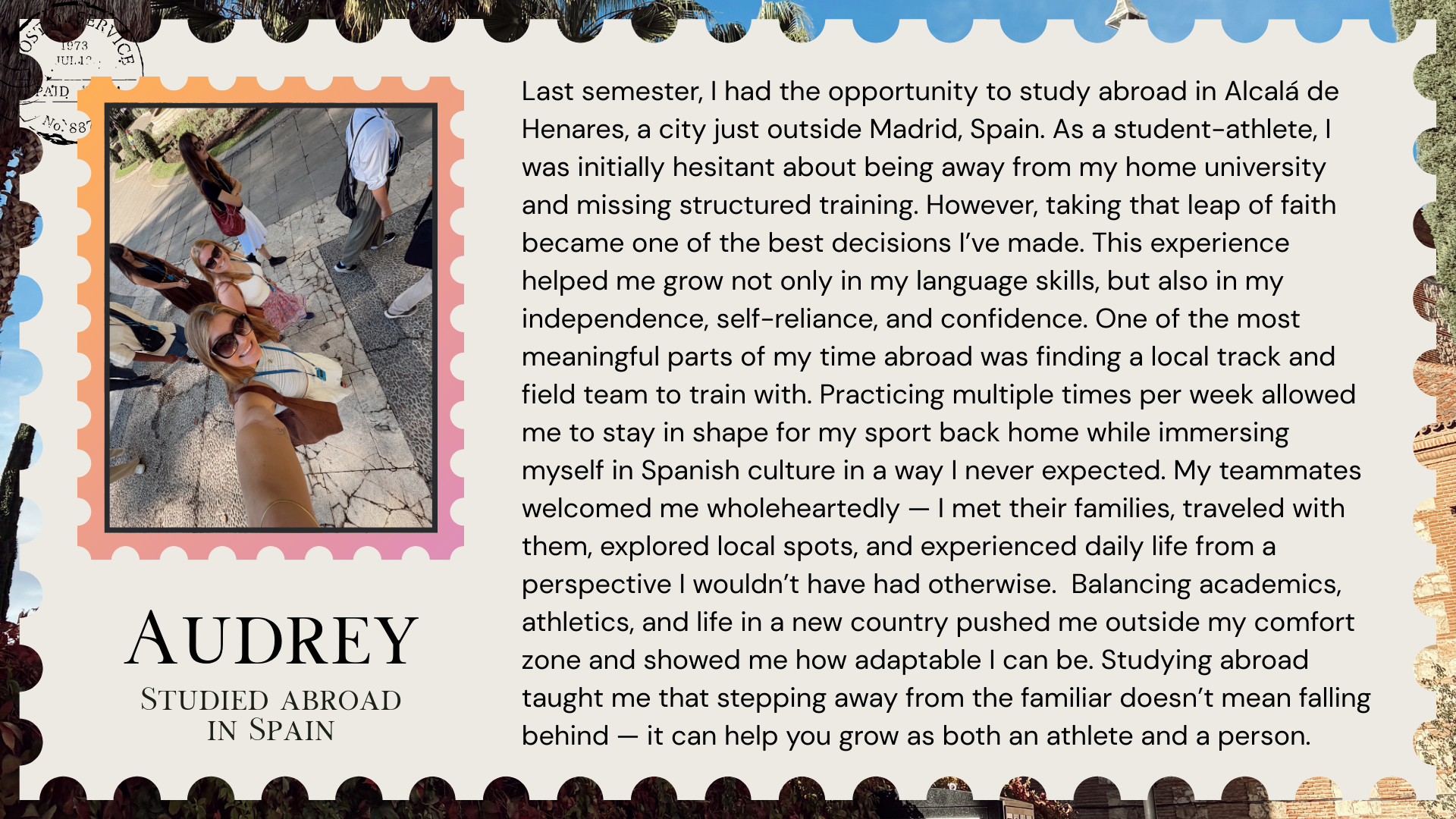
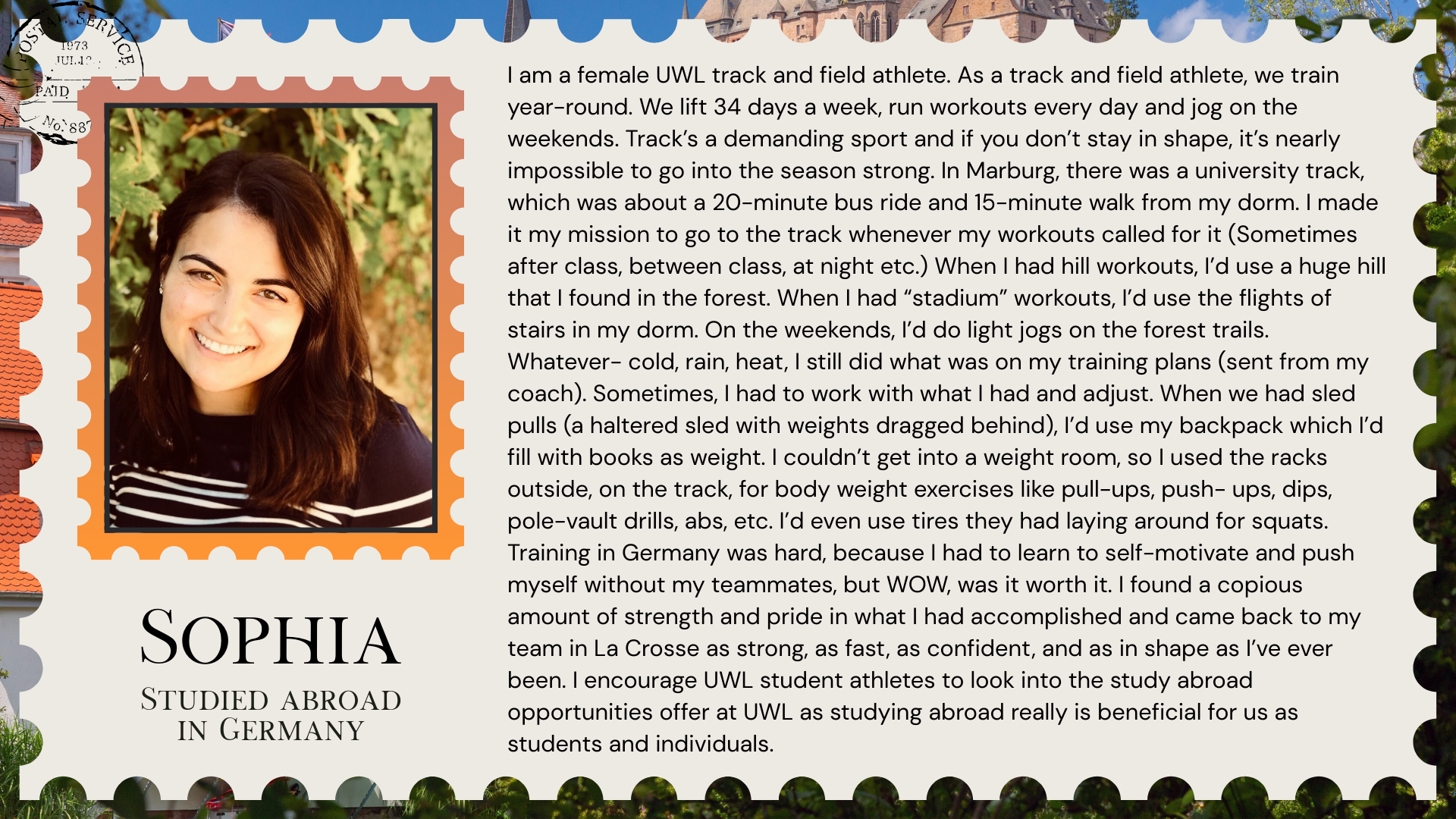
Student's Testimonials





News
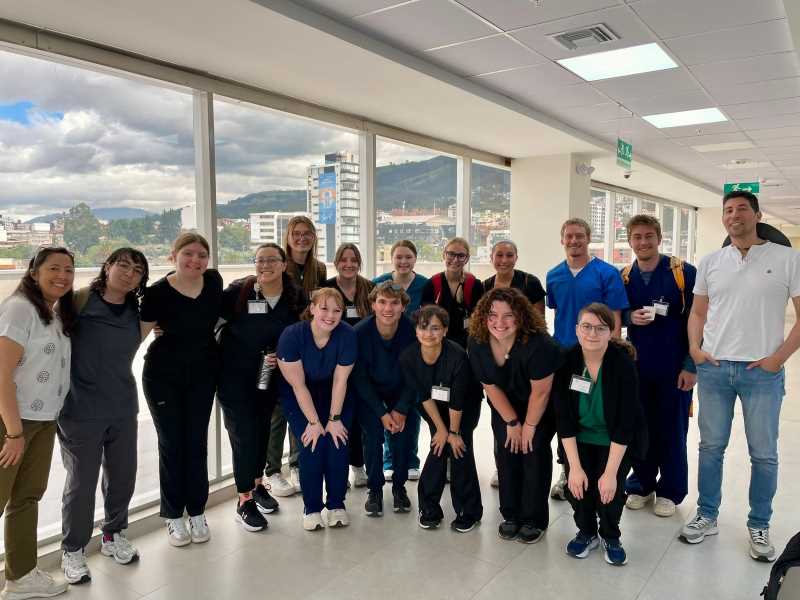 A deeper understanding
Posted 9 a.m. Friday, Sept. 4, 2026
UWL students gain medical, cultural experience through Ecuador study abroad
Read more about A deeper understanding
A deeper understanding
Posted 9 a.m. Friday, Sept. 4, 2026
UWL students gain medical, cultural experience through Ecuador study abroad
Read more about A deeper understanding
 Introducing the Spotlight Series
Posted noon Wednesday, Sept. 2, 2026
New event series builds campus and community connections
Read more about Introducing the Spotlight Series
Introducing the Spotlight Series
Posted noon Wednesday, Sept. 2, 2026
New event series builds campus and community connections
Read more about Introducing the Spotlight Series
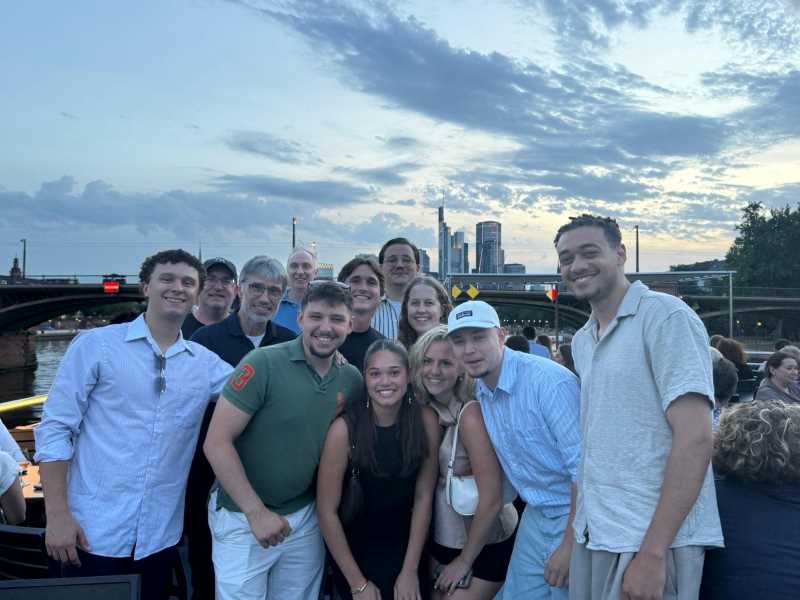 Exchanging more than ideas
Posted 12:44 p.m. Friday, Aug. 21, 2026
UWL-Frankfurt partnership opens doors for global connections
Read more about Exchanging more than ideas
Exchanging more than ideas
Posted 12:44 p.m. Friday, Aug. 21, 2026
UWL-Frankfurt partnership opens doors for global connections
Read more about Exchanging more than ideas
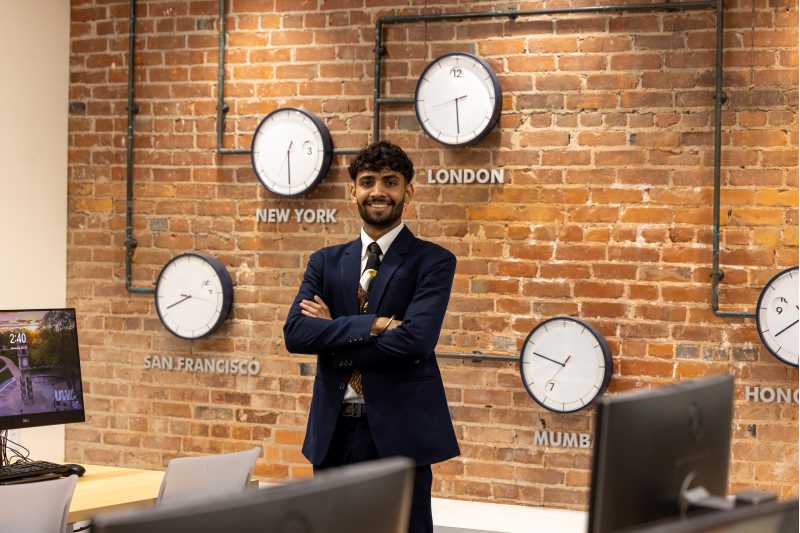 Built to innovate
Posted 1:11 p.m. Wednesday, July 22, 2026
Research, entrepreneurship, leadership define NJ Jariwala's path at UWL
Read more about Built to innovate
Built to innovate
Posted 1:11 p.m. Wednesday, July 22, 2026
Research, entrepreneurship, leadership define NJ Jariwala's path at UWL
Read more about Built to innovate
 Finding her fit, launching her future
Posted 9 a.m. Wednesday, May 6, 2026
Business grad Jaidyn Strang reflects on UWL experiences that shaped her success
Read more about Finding her fit, launching her future
Finding her fit, launching her future
Posted 9 a.m. Wednesday, May 6, 2026
Business grad Jaidyn Strang reflects on UWL experiences that shaped her success
Read more about Finding her fit, launching her future