Posted 5 a.m. Monday, July 22, 2024
Tips to succeed in college and beyond
Starting college can feel overwhelming, but success comes from getting involved, building connections and using campus resources. Current college students recommend stepping outside your comfort zone, talking to professors, joining organizations, managing your time and being patient as friendships develop. Small actions early on can help you feel more confident, connected and successful in college.
How can college students make friends?

Some students come to college with the assumption that they’ll meet their best friend the first day or that their roommate will become their best friend. They try so hard to make those early relationships work, and they think they’ve failed when they don’t.
You don’t need to become best friends with the people you meet on your first day of college. You also don’t need to become best friends or even “friends” with your roommate. You need to get along with people and be a compassionate person, but not having that friendship bond with random people you meet is perfectly normal and OK.
- Create opporutnities for engagement — think of simple things like opening your dorm room door or not looking down at your mobile phone while walking through campus.
- Sit strategically in classes — In many classes, you get to pick your seat. Don’t go to the back corner. Sit among other people. You may be surprised that you meet some of your best friends in your classes. Also, arriving a little early to class can give you the opportunity to have time for small talk.
- Join student organizations and participate in campus activities
- Don't wait for an invite — Everyone is waiting for an invite. Be bold. Be the person who invites someone else. And if no one wants to come, it's OK to go do it alone.
You’ll eventually find people who click with you and become your friends. Most importantly, don’t be hard on yourself if you don’t find your friends right away. Learn more about how to make friends in college.
How can college students get involved on campus?

College students can get involved by attending campus events, joining student organizations, using shared study spaces and participating in leadership or volunteer opportunities. At U.S. colleges, involvement helps students build friendships, professional networks and a sense of belonging. Students should try multiple activities early in the semester, but avoid overcommitting before finding the right fit.
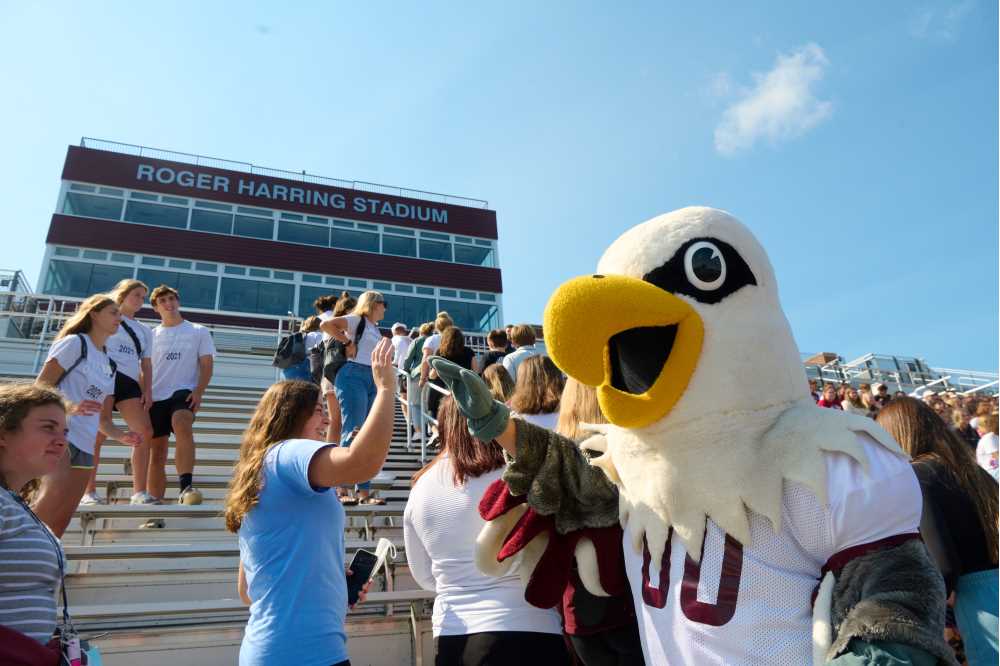
Getting involved in college often requires students to step outside their comfort zones and try unfamiliar experiences. Many first-year students feel nervous about meeting new people, but participating in campus events and organizations can lead to friendships, stronger connections and a greater sense of belonging. At UWL, New Student Orientation offers opportunities for students to meet peers through both required and optional activities, making early involvement especially valuable.
- Join student organizations. you will feel like you belong in college more when you have say in what your experience looks like. One of the best ways to do that is to get involved in a student organization that matches your interests. Find one on the list, reach out and attend a meeting. If it doesn’t fit, try out another. There is an organizantion for every interest at UWL: board games, boxing, bowling, biology, cheese, ceramics – and those are just a few of the organizations at UWL.
Learn more about getting involved in college.
What are common misconceptions about college life?

Common misconceptions about college include believing students must immediately choose a career path, make lifelong friends right away or have everything figured out during their first year. In reality, college is a time for exploration, growth and adjustment. Students should stay open to new experiences, but avoid comparing their college journey too closely to others or to what they've seen in the movies.
Movies and TV shows often portray college as nonstop parties, effortless friendships and constant fun, while leaving out the realities of studying late at the library, balancing assignments, managing stress and seeking academic support after a difficult exam. College includes exciting moments, but also challenges and personal growth. Students who enter college with realistic expectations are often better prepared to navigate both the rewarding and difficult parts of the experience.
Read about 13 common misconceptions about college life.
How can students balance school, work and social life?

Balancing school, work and social life in college means managing responsibilities in a way that supports academic success, financial needs and personal wellbeing. Students can stay balanced by creating schedules, prioritizing coursework, communicating with employers and making time for rest and friendships. Working during college can build valuable experience, but students should avoid overcommitting to work hours that negatively impact academics or mental health. Learn morea bout how to work during college.
College is filled with decisions like what classes to take, what groups to join, what people to spend your time with. It is a lot easier for students to make these decisions if they take time to understand themselves first. Reflect on what is working and what isn’t — write it down if that helps. What’s happening now is a great guide for where you ultimately want to go.
Along those lines, don’t let peer pressure overrule your own interests and goals. Some students feel pressure to drink in college or go to the bars. There is a lot to do on campus, and you will not miss out if you are not going out.
What are the best study habits for college students?

The best study habits for college students include creating a consistent study schedule, reviewing material regularly, minimizing distractions and using active learning techniques like practice questions and summarizing notes. Successful students also seek help from professors, tutors or study groups when needed. While effective study habits improve academic performance, students should avoid relying on last-minute cramming as a long-term strategy. Also, read these tips on exam taking.
What financial tips should college students know?

Financial tips for college students involve strategies for budgeting, applying for scholarships, and figuring out creative ways to earn and save money while in school. At UWL, the It Make$ Cents program and IMC peer mentors help with budgeting, loans, debt, scholarships and investing.
What should students do when they feel stressed in college?

Stress management in college involves using healthy coping strategies to manage academic and personal pressures. Students can reduce stress through exercise, sleep, mindfulness, time management, talking with friends or counseling services. Students should practice coping skills consistently, but these strategies are not a substitute for professional mental health care when stress becomes overwhelming. Read about 10 coping skills for stress.
Are professors and other staff willing to help me in college?

Faculty and staff who work at universities genuinely want to help college students. Students are often worried about approaching professors or other university staff with questions out of fear or concern that they are too busy. But, once they do, they see that faculty and staff are people too, and they genuinely want students to succeed.
- UWL has a relatively low student-to-faculty ratio, meaning you have a pretty good shot at your professor knowing you on a first-name basis if you engage. Speak up in class, stay around to talk after lecture, go to office hours or volunteer to help with research or projects. Because you’ll likely be one of few students who actually do this, you’ll have a better shot at building a lasting connection that sticks for your years in college. That can lead to a lasting relationship — not to mention a great reference.
- Take the initiative to introduce yourself to your resident assistant too, if you are living in campus housing. A resident assistant is an upperclassman who lives in your residence hall and serves as a mentor for newer students. It is an RAs work to be there for students who are having trouble adjusting to college life or feel homesick. "College is pretty intimidating, and it is honestly a big life update — especially in the first couple weeks of the school year," says UWL Senior Resident Assistant Carlyn Davis. "If students would like some support from us to assist with the transition from home to school, that is what us Res Life staff are here for. They don't have to be besties with us, but many of us have gone through what they have and we don't want them to be nervous about getting to know us or about saying hello in passing. I sometimes have had to remind residents that, 'believe it or not, we're people too; we are just doing our best to help everyone to feel welcome and safe here!'"
What campus resources should college students use?

As a college student you have access to a lot of great resources that are included in your tuition and fees. Want help figuring out what classes to take? Need help sorting out your finances? Need help communicating with professors about special accommodations? Want someone to talk to about feelings of anxiety? Or want to join a fun sport in your free time? You have so much at your fingertips. Unsure where to start? Ask your resident assistant about what’s available.
Here is a list of a few common services on the UWL campus:
- Financial aid – Paying for school is a complex and difficult task, but the Financial Aid office is here to help you. And you can even ask questions through their website.
- Student Health Center: Primary care, same-day care and physical therapy are some of the services.
- Counseling & Testing: Where is my support system? Right here. Confidential counseling services are available to students in a variety of formats.
- Murphy Learning Center: Receive free tutoring services in a variety of courses. Additionally, The Writing Center and Public Speaking Center are available.
- Murphy Library: Help with research, access to study spaces, hundreds of databases, computers, books, reference materials, special collections, and more.
- Recreational Eagle Center: Let’s Move! Intramurals, Esports, Sport Clubs, Outdoor Connection, Fitness, Indoor Climbing, and more!
- Campus Food Pantry: Non-perishable food and hygiene items. To gain access, complete the registration form. Open to all students.
- Campus Thread: Campus Thread, located inside the Center for Civil Dialogue & Civic Engagement, is UWL’s free clothing closet with everything from jeans and T-shirts to professional attire such as suits and dresses. Visit the Campus Thread webpage to learn more.
- Office of Multicultural Student Services: Support with academics, finances, leadership, and personal/social development for African American, Indigenous/American Indian, Hispanic/Latinx, Asian American, Hmoob, and biracial or multi-ethnic students at UWL.
- Disability Resource Center: Staff can help communicate with your professors and staff about any disability related accommodations, including extended test-taking, note-taking, ASL interpreting services, and much more.
- City bus transportation: With a student ID, you don’t have to pay.
- Violence Prevention Office: A Violence Prevention Specialist is available to assist you with advocacy, information, and support so that you can make informed choices about the options available to you. Services are free, confidential, and available to all UWL students, faculty, and/or staff members
- Wellness & Health Advocacy: Culturally competent health education, health promotion programming, alcohol and other drug education/intervention, and community engagement.
Find more resources on the Student Success page.