



College of Science & Health (CSH)
2024 Summer Research Symposium Abstracts
2024 Student Abstracts
Audrey Quackenbush (she/her/hers)
Comparative developmental toxicity of PFHxS on Zebrafish and Fathead Minnow larvae
Freshwater Collaborative of Wisconsin Fellow
Major: Microbiology
Mentor: Dr. Tisha King-Heiden
Abstract: PFAS are a growing contaminant of concern in Wisconsin due to their high frequency of use in various products and ability to bioaccumulate in living organisms. Originally developed in the 1950s, PFAS chemicals are used to make various water- and heat-resistant products due to their high strength carbon-fluorine bonds. To better understand the impacts of these chemicals on the health of wildlife, we have used two model organisms (zebrafish and fathead minnows) to study the developmental toxicity following chronic embryonic exposure to environmentally relevant concentrations of PFHxS. Fish were exposed to 0, 0.8, 8 or 80 ng/L of PFHxS via waterborne exposure (100% daily renewal) beginning just after fertilization for either 5 days for zebrafish or 8 days for fathead minnows. Fish were monitored daily to determine mortality and hatching rates, and lateral images of larvae will be evaluated for other signs of developmental toxicity and impacts on growth. Information gained from this work can indicate potential adverse consequences these larvae might be experiencing in the wild leading to impacts on their populations.
Alison Gunderson (she/her/hers)
Analyzing the structure and stability of variants of a Salmonella enterica copper resistant protein DcrB to identify changes in crucial protein-protein interactions.
Undergraduate Researcher
Major: Biochemistry
Mentor: Dr. John May
Abstract: Salmonella enterica is a health concern for humans and animals across the globe. DcrB is a protein within S. enterica that contributes to resistance to toxic levels of copper, it becomes more active under conditions promoting the development of well-known harmful substances. DcrB is resistant to toxic levels of copper, a defensive tool our own immune systems utilize. The DcrB protein forms a homodimer supported by interactions between the beta sheet structures of one monomer and the core beta sheet structure of another. DcrB currently does not have an identified function, understanding the interactions that occur to form these homodimers could be key in understanding the function of DcrB. These interactions will be studied by analyzing variants of DcrB that have conserved amino acid substitutions that are predicted to weaken the interactions due to size restrictions. To determine if these substitutions result in a folded protein, we used AI-based structure modeling (AlphaFold3) to predict the global structure and folding of these variants. The results predicted these variants will fold and form the core structure. We will present findings after probing the structure and stability of these variants in the presence and absence of copper. Part of the analysis will be completed with Circular Dichroism. With this technique, we can analyze the structure by measuring the way the protein rotates light and compare it to the naturally occurring wild-type DcrB protein. Any change between these measurements can provide insight to the importance of the specificity of interactions in the protein. Crystallization experiments will also be completed in attempts to get a better insight of the structure of the protein. We will use the protein crystals to obtain experimental evidence of the structure of each variant. Results of these experiments may provide clarity to what interactions in this region of DcrB contribute to the protein’s structure and function in copper resistance, which may lead to strategies to counteract Salmonella copper resistance.
Anika Oplanic (she/her/hers)
Identifying biomarkers to investigate PFAS-induced disruption of the innate immune response in fish
Freshwater Collaborative of Wisconsin Fellow
Major: Biology with a Molecular Genetics and Cell Biology Concentration
Mentor: Dr. Tisha King-Heiden
Abstract: Whole fish respiratory burst assays have been developed in zebrafish and fathead minnow larvae to screen various environmental contaminants for their immunotoxic potential. These assays use PMA as proxy to stimulate neutrophils to produce reactive oxygen species (ROS) as a part of the innate immune response, while Bis-1 can be used to inhibit the PMA-induced response. Most studies indicate that pesticides suppress or do not impact this innate immune response. Our recent work with neonicotinoid pesticides indicates that instead of suppressing the innate immune response, they both decrease and increase ROS production by neutrophils, and the response is non-monotonic. Given this unusual finding, we are seeking a second line of evidence to support our whole-fish larvae assays by evaluating the expression of several genes associated with neutrophil-induced ROS response. Following stimulation of the respiratory burst (by a pathogen or PMA, ROS production also stimulates NK-KB to initiate the expression of inflammatory cytokines such as IL1b and TNFa. Both the ROS and cytokines recruit other white blood cells to the area. To see if these genes would be good indicators for the activation or suppression of innate immune response in whole fish, we have exposed 5-day zebrafish larvae to either PMA or PMA + Bis1 and are using qRT-PCR to measure the expression of NK-KB, IL1b, and TNFa normalized to beta actin. We hypothesize that expression of these genes will be induced in PMA-exposed fish compared to control fish, and that induction of those genes will be lower or suppressed in PMA+Bis1 exposed fish. Our preliminary findings will be presented, and hopefully on-going analyses will show that these genes are good markers to support findings from whole fish respiratory burst assays and better understand the impacts of environmental contaminants on the innate immune response.
Caelen Lansing (she/her/hers)
Characterizing the Response of Neurons to Extracellular Vesicles, Aging, and Resistance Training
Nord Dean's Distinguished Fellow
Major: Exercise and Sport Science
Mentor: Dr. Jennifer Klein
Abstract: Exercise can have a positive impact on reducing the age-related dysfunction that is experienced by individuals over the course of the human lifecycle. The specific processes through which aging proceeds, as well as the impact of exercise on these processes is relatively unknown. This project evaluates how exercise can influence the aging process of the brain through the analysis of extracellular vesicles (EVs) derived from muscles during exercise. Isolated EV samples were collected from healthy adults directly preceding, immediately after, and 24 hours after a bout of acute resistance training. The influence of the EVs isolated in each of these conditions is evaluated through the treatment and analysis of SH-SY5Y neuronal stem cells with the isolated EVs. Neurogenesis of the treated cells is evaluated using immunofluorescence microscopy. The purpose of this study is to characterize the impact of EVs on the body's neural response to aging and acute resistance exercise.
Cassidy Williams (she/her/hers) and John McEwing (he/him/his)
Effects of Aging on Exercise-Induced Extracellular Vesicles’ Alteration of Immune Cell Activity
Undergraduate Researcher
Major: Biology
Mentor: Dr. Jennifer Klein
Abstract: With age, the ability of our muscles to recover from exercise lessens and we are more prone to lose muscle mass, known as hypotrophy. Muscle growth occurs due to hypertrophy, and it happens after the myogenesis process, with macrophage immune cells assisting in this process. These macrophages possess the ability to polarize into two different types, either pro-inflammatory or anti-inflammatory, with this polarization critical to myogenesis. The cause of this polarization is not yet known; however, we hypothesize that tiny lipid-enclosed communication packages known as extracellular vesicles (EVs) aid in the polarization of macrophages. These communication packages contain DNA, RNA, and proteins. To test this hypothesis, we need to characterize the effects EVs have on macrophage polarization, and furthermore the differential effect on macrophage polarization from EVs taken from subjects of varying age. To look at surface markers, we will use flow cytometry to look at lineage and cell differentiation. Our results show that after being treated with EVs the macrophages shift from the undifferentiated M0 macrophage state to either the pro-inflammatory state (M1) or anti-inflammatory state (M2). When testing by age, we see that EVs collected from younger subjects cause macrophages to more effectively polarize than older subject’s EVs. These results suggest that age could affect the EV signaling pathway that polarize macrophages. This lessening of polarization could be a reason as to why humans take longer to recover from muscle injury as we age.
Courtney Masarik (she/her/hers)
Measuring Interactions Between Two Secreted Hemolytic Proteins
College of Science and Health Dean's Distinguished Fellow
Major: Chemistry and Biochemistry
Mentor: Dr. Aric Opdahl
Abstract: This study is focused on the gram-negative bacterium P. mirabilis, which causes infection of the urinary tract. In order for P. mirabilis to create an infection, the hemolytic protein (HpmA), which lyses living red blood cells, must be secreted from the membrane of the bacterium. This involves transport through both the inner and outer membrane, and, for HpmA, requires a second partner. The partner, HpmB, facilitates its specific folding into a shape that is appropriate for transport through the membrane. HpmA can only pass through the outer membrane in the presence of HpmB. This partner contains two polypeptide-transport-associated (POTRA) domains, which interact with HpmA. Of note, other bacteria with similar A protein components do not bind to HpmB, making the interactions between the A and B units unique to P. mirabilis. This study aims to address how HpmA interacts with these POTRA subunit(s), to better understand the components and process of secretion that lead to toxin release from the bacterium. We will use an optical sensing method, surface plasmon resonance (SPR) spectroscopy, to measure interactions between HpmA and the POTRA units. Our objectives this summer have been to express and purify the proteins HpmA and HpmB; optimize surface chemistry/attachment of HpmB to SPR sensor chips; perform SPR experiments to determine binding regions between HpmA and HpmB.
Desiree Rogers (she/her/hers)
Blastomyces dermatitidis
McNair Scholar
Major: Biology
Mentor: Dr. Todd Osmundson
Abstract:
Blastomyces dermatitis is a fungus that, once sporulating, can be inhaled and cause a disease called Blastomyces. The disease is random and isolated. There is not a known natural reservoir of Blastomyces dermatitis. What is known is that it is mostly found in moist soils with decomposing matter like wood and leaves. Finding the natural reservoir is important to help both people and animals avoid the disease. Reported cases of Blastomyces were recorded and field studies are planned to be done in an effort to locate it. Literature reviews on both the fungus and the disease were also reviewed. Unfortunately, not a lot of research has been published on Blastomyces dermatitis, and not all cases are reported or have symptoms. Travel expenses and time constraints also limited this study. The information found in the study can be used to further investigate and locate the fungus Blastomyces dermatitis.
Eldith Adongo (he/him/his)
Effects of Early Exposure of F53B on Zebrafish (Danio rerio) reproduction
Graduate Summer Research Fellow
Major: Biology
Mentor: Dr. Tisha King-Heiden
Abstract: The presence of the “forever chemicals” per- and polyfluoroalkyl substances (PFAS) in Wisconsin drinking water is a growing concern for local regulatory agencies and scientists. “Legacy” PFAS such as PFOS and PFOA have been demonstrated to be capable of disrupting the endocrine system, leading to reproductive diseases in humans. PFOS and PFOA have been linked to several detrimental effects such as changes in sperm quality and fertility, anomalies in gonad development, increased estrogen levels and impacts on sex differentiation in zebrafish. As these legacy PFAS are phased out, little information is known about the toxicity of their replacements. A few studies show that replacement PFAS 6:2 chlorinated polyfluorinated ether sulfonate (F53B) causes reproductive toxicity and disrupts the endocrine system of adults, but we do not know if it could disrupt the early stages of gonad development, causing infertility later in life. This study is the first of my thesis work and aims to elucidate the effects of exposure to F53B during early development and reproduction later in life. I hypothesize that exposure to F53B during critical stages of sex differentiation and development will shift sex ratios towards males; cause a reduction in egg production; reduce the proportion of eggs that are fertilized; impair quality of offspring; and have a larger impact on female fertility compared with males. Fertilized eggs were randomly distributed into 4 experimental groups per dose, each consisting of 40-50 embryos. Fish were exposed to different concentrations of F53B (0, 0.08, 8, or 80 µg/L) through the period of sex differentiation (0 to 35 days post fertilization) with approximately 100% of the dosing solution renewed daily.
Larvae from exposed groups recorded a significant number of physical deformities including pericardial edema (26.32%), bent spine (29.82%), no eyes (12.18%), yolk sac edema (29.82%) and tail malformation/bent tail (1.75%) in comparison to the control group.
Following exposure, juvenile zebrafish will be raised in an aquarium system in contaminant free water until they reach adulthood (90 days old) for reproduction assays. Data from these studies will lay the groundwork for future characterization of F53B as an endocrine disruptor and can be used to predict risk to wild fish species and human health.
Emilie Peterson (she/her/hers)
The Associations Between Parasite Infection and Sand Crab Life Histories Along the California Coast
Prairie Springs Dean's Distinguished Fellow
Major: Biology
Mentors: Drs. Gregory Sandland and James Peirce
Abstract: Documenting the distributions of intermediate hosts and their parasites can be critical for understanding the dynamics of infections in definite hosts. The Pacific mole crab, E. analoga, is parasitized by a number of species that use the crabs as intermediate hosts in their life cycle. The Acanthocephalan parasite, P. altmani, has been shown to have several effects on the Pacific mole crab as well as showing some influence on its definitive host. This study aims to analyze the prevalence of parasites concerning the Pacific mole crab's life history and the location of the beach site where the crabs were sampled. Emerita analoga used in the study were hand-collected within or near the swash zone of 16 beaches along the California coast. Before any dissection, the location, size, and sex of the crabs were recorded and compiled into a dataset for further analysis. Necropsies focused on the midgut of the sand crabs to determine infection status and parasite number per crab. Preliminary findings indicate that the prevalence is significantly higher in the southern sites compared to the northern ones, suggesting that environmental factors may influence parasite distribution. Understanding what patterns can influence the proportion of mole crabs infected can assist us in efforts to help threatened species such as California sea otters. Looking forward, future steps involve extending research to northerner regions, investigating parasite intensity, and exploring the influence of temperature on parasite distributions.
Emjay Hilliker and Rachel Hohensee (she/her/hers)
Analysis of the role of copper in the mechanism of action of the antimicrobial SK-03-92
Undergraduate Researchers
Majors: Biochemistry (Emjay); Biology (Rachel)
Mentors: Dr. Anne Galbraith
Abstract: Our lab uses Saccharomyces cerevisiae (baker's yeast) to determine the mechanism of action of an antimicrobial drug called SK-03-92 that was developed by researchers at the Universities of Wisconsin-La Crosse and -Milwaukee. A recent study in our lab showed that the expression of yeast genes involved in copper homeostasis was affected by SK-03-92 treatment. We have been continuing the work on the putative role of copper dysregulation in the mechanism of SK-03-92. We determined that two copper homeostasis mutants cup2 and mac1 respond to SK-03-92 treatment differently from wild-type cells. We have been using qPCR to measure the expression of these same two copper homeostasis genes (CUP2 and MAC1), plus other genes involved in copper homeostasis, in cells treated with SK-03-92. These experiments will further test if dysregulation of copper homeostasis is involved in the mechanism of SK-03-92.
Emma Heinert (she/her/hers)
Use of Concurrent Auditory, Visual, and Tactile Feedback Cues and Estimated Cadence increases on Achilles Tendon Loading Variables in Running
College of Science and Health Dean's Distinguished Fellow
Major: Biology
Mentor: Dr. Tom Kernozek
Abstract: Running has a high incidence of Achilles tendon (AT) injuries that may be due to high repetitive loading. Running cadence may influence AT loading. A 10% cadence increase, auditory, visual, and tactile feedback cues were used, and each runner’s estimated 10% increase. Thirty-four male and females ran on an instrumented treadmill at 7.5 mph where kinetic and kinematic data were obtained. AT cross-sectional area was measured with ultrasound imaging. Inverse dynamics then static optimization was used to calculate muscle forces and AT loading. All feedback conditions increased cadence from run (baseline) condition, while auditory and visual cues yielded a cadence increase closest to 10%. There was no difference between auditory and visual feedback cues to increase cadence (p<0.05). Peak GRF, AT force, and soleus force produced minor changes when the cadence fell below a 6% change from the run (baseline). Changes in cadence >6% were needed to reduce these variables. The runner’s estimated 10% increase was only 5.67% and reduced AT stress by 1.94%. Visual feedback condition reduced AT stress the most compared to the run (baseline) condition. Understanding the relationship between the use of feedback cues and increasing cadence may aid in the treatment and prevention of AT injuries.
Ericka Bjorngaard (she/her/hers)
Examining the Effects of Nighttime Light Pollution on Sleep in Monarch Butterflies
Summer Graduate Research Fellow
Major: Biology (Master's)
Mentor: Dr. Barrett Klein
Abstract: The project addresses critical gaps in understanding the sleep patterns of monarch butterflies (Danaus plexippus) and investigates the potential impact of nighttime light pollution on their behavior. Monarch populations, facing threats of decline, are unique due to their migratory and non-migratory populations. The study focuses on two primary objectives: I. Determine Sleep in Monarch Butterflies: Analyze wild-caught summer (nonmigratory) and fall (migratory) monarchs through recorded videos, observing postural indications of sleep. Conduct real-time observations of monarchs reared in a lab setting to examine sleep behavior among groups and individuals. II. Test Effects of Light on Monarch Behavior: Expose in-lab monarch populations to varying durations of light and observe and record resulting behavioral changes. Investigate behavior among individuals when housed together and explore the impact of nighttime light on behavior. Methodology: Utilize semi-automated software to log behavioral events observed in monarch videos. Rear 150-200 monarch caterpillars for in-lab experiments, subjecting them to different light durations. Entrain circadian clocks of adult monarchs in individual enclosures with consistent lighting conditions. Observe roosting behavior in groups of 6 monarchs with similar or differing circadian cycles. Evaluate the effects of excess nighttime light on monarchs' responsiveness.
Erin Oelke (she/her/hers)
Investigating ARID3B and AXL in temozolomide resistance in glioblastoma multiforme
Cooper Dean's Distinguished Fellow
Major: Biology
Mentor: Dr. Sierra Colavito
Abstract: Glioblastoma multiforme (GBM) is an aggressive primary grade IV brain tumor. The average life expectancy for GBM is roughly 12-18 months with only 5% of patients surviving beyond five years. The survival rates for GBM have remained unchanged for decades, therefore more treatments need to be identified. Temozolomide (TMZ) is commonly used to treat GBM, however, tumors usually become resistant to this drug. The goal of our study is to find new ways to improve the response of GBM tumors to TMZ. Recently, we found that the transcription factor ARID3B is often overexpressed in brain tumors including GBM, and high expression of ARID3B correlated with poorer prognosis than brain tumors with low ARID3B expression. Therefore, we aimed to understand if ARID3B impacts chemoresistance. Additionally, the receptor tyrosine kinase AXL has been implicated in TMZ resistance. AXL is a transmembrane receptor that leads to an increase in tumor proliferation, migration, and angiogenesis. Using GBM cell lines with and without ARID3B, we are testing if AXL inhibition impacts response to therapy. Importantly, there are no direct inhibitors to ARID3B, so we will inhibit pathways upstream and downstream of ARID3B. To do this we are investigating the impact of the JQ1 bromodomain inhibitor (inhibits MYC/MYCN downstream of ARID3B), ferroptosis inducers (downstream of ARID3B), and CAMKK1 (upstream of ARID3B) on TMZ resistance. We anticipate that targeting the ARID3B pathway in GBM will increase tumor cell death making TMZ more efficacious.
Evelyn Norton (she/her/hers)
Analysis of gene expression in SK-03-92 treated yeast cells
College of Science and Health Dean's Distinguished Fellow
Major: Biology
Mentor: Dr. Anne Galbraith
Abstract: Overuse and misuse of antimicrobials have led to resistance, rendering existing antimicrobials ineffective and making infections increasingly difficult to treat, facilitating the need for the development of new antimicrobial drugs. Researchers from UW-Milwaukee and UW-La Crosse discovered an antimicrobial compound present in Comptonia peregrina (sweet fern). From this compound, SK-03-92 was developed and was found to kill both bacteria and some species of fungi including Saccharomyces cerevisiae (yeast). In as little as 10 minutes, SK-03-92 arrests the growth of 99% of yeast cells. An RNA-seq analysis of SK-03-92 treated wild-type yeast was performed to determine which genes are dysregulated in response to treatment. Each of these genes needs to be examined more carefully to confirm their role in the molecular response of yeast cells to SK-03-92 exposure. In this work, I examined the expression of several dysregulated genes in response to SK-03-92 treatment using RT-qPCR. Results of this work will be presented.
Gavin Hutchison (he/him/his)
Alzheimer's Disease related dysfunction of circadian rhythms
College of Science and Health Dean's Distinguished Fellow
Major: Biology
Mentor: Dr. Alder Yu
Abstract: Alzheimer's Disease (AD) is a neurodegenerative disease with elusive pathology. Individuals with AD have been noted to have disturbances in their sleep wake cycling, which has been reported as a primary cause for institutionalization for AD patients. Alleviating sleep cycle disturbances in individuals with AD could result in improved quality of life and avoid institutionalization. A potential cause for these sleep disturbances is disruption of the circadian clock , a molecular clock regulating several bodily functions including sleep wake cycling. We explored the functionality of the circadian clock in a Drosophila melanogaster model of AD. Locomotor behavioral patterns of AD flies were assessed using the Drosophila activity monitoring systems. Assessment of AD fly locomotor patterns show loss of circadian behavior without environmental cues, even after entrainment to a regular schedule. qRT-PCR was then used to assess functionality of the core circadian clock by measuring expression fold change of the gene period, a core clock gene. qRT-PCR of period in AD flies in constant darkness showed that the core circadian clock was functional despite the loss of circadian behavior noted in the activity monitoring experiment. Current investigations are exploring whether presence of the circadian clock has a protective effect against neurodegeneration. Surprisingly, preliminary results suggest that genetic ablation of the circadian clock may protect against cell death.
Hadley Porter (she/her/hers)
Evaluating the stability of matriarchal dependency of African elephants in volatile environments
Prairie Springs Dean's Distinguished Fellow
Major: Biology
Mentor: Dr. David Elzinga
Abstract: We have developed an agent-based model using NetLogo to evaluate the stability of matriarchal dependency in African elephants (Loxodonta africana) against the threat of escalating environmental volatility in southern Africa due to global warming. This model makes use of the vast research we have discovered about the intricate tier-based social structure of African elephants that not only fosters community but also facilitates resource location through the guidance of the eldest female, or matriarch.
Hailey Dyce (she/her/hers)
Assessing the global transcriptional regulation effect of BrpR in Staphylococcus aureus
Summer Graduate Research Fellow
Major: MS of Clinical Microbiology
Mentor: Dr. William Schwan
Abstract: Staphylococcus aureus (S. aureus) causes a wide range of diseases, including bloodstream and skin infections. Drug resistant S. aureus strains have become very common. A novel antimicrobial drug, SK-03-92, developed at the University of Wisconsin-La Crosse may help combat the antimicrobial resistance issue. SK-03-92 treatment affects transcription levels of two genes in S. aureus: brpR (biofilm regulating protein regulator) and brpS (biofilm regulating protein sensor). In this study, the involvement of BrpR in regulating other genes will be assessed by comparing transcriptional changes in a brpR mutant strain to the S. aureus unmutated parent strain. Previously, RNA sequencing analysis has been done that compared transcript abundance in a brpR mutant to the unmutated parent. Bioinformatic analyses will be performed on the data generated by the RNA sequencing results. From this, 5-10 genes will be chosen for quantitative reverse transcription polymerase chain reaction analysis to confirm transcriptional differences between the brpR mutant and parent strain. Further, three enzymatic assays will be performed to confirm RNA sequencing and bioinformatic analysis results. Overall, a better understanding of how BrpR regulates biofilm formation and late-stage competency will result from this study.
Hailey Schock (she/her/hers)
Effects of Segregation in Milwaukee Public Schools
McNair Scholar
Major: Psychology
Mentor: Dr. Richard Breaux
Abstract:Segregation within Milwaukee Public Schools (MPS) is a structural issue resulting from discrimination within employment, housing, politics, and the economy of Milwaukee. The systematic segregation influenced self and societal views led to a generational pattern of segregation in MPS. The first part of this research is a review of related and relevant literature offering a foundation of knowledge about why Milwaukee became and remains segregated. This review has used primary and secondary sources in which I explored structural segregation and its influence on larger issues of race in political, economic, and social structures. This project has borrowed literature on Black Milwaukee which includes community, teachers, and former students’ perceptions of Black students in MPS. As segregation is a nationwide problem, this review will also examine how other school systems in the United States have more successfully racially desegregated. In the second part of this research, I will interview former MPS students about the long-term psychological damage to self and societal perceptions imposed on Milwaukee’s Black youth. The interviews are limited to adults over eighteen to thoroughly examine the long-term psychological effects. The interview data will be used to assess and address the needs of many Milwaukee youth and contribute to building a vision of an integrated school system that positively affirms Black MPS students. This is significant to the future of the quality and inclusivity of education for Milwaukee’s youth of color. It is important for schools built on segregation to reassess and restructure their systems to best aid and support young Black people in Milwaukee and across the nation.
Jadee Christiansen
Exploring the socialization of in-service teachers and their perceptions of the feasibility to implement adventure-based learning in k-12 schools.
College of Science and Health Dean's Distinguished Fellow
Major: Physical, Adapted, School Health Education
Mentor: Dr. Jenna Starck
Abstract: Findings from in-service and pre-service teachers'
prior experiences and beliefs in teaching curriculum in physical education will help us see how the socialization process causes teachers to adhere to traditional curriculum and their willingness to incorporate adventure based learning and adventure education into their own teaching. Throughout the study we will push graduate students to reflect on the impact of past experiences and their exposure to physical education(Occupational Socialization Theory) along with new learning opportunities in adventure based learning during cooperative course experiences and their opinions on the need to integrate adventure based learning into k-12 physical education.
Joey Cramer
Supported Catalysts on Charcoal and Upcycled Polystyrene
College of Science and Health Dean's Distinguished Fellow
Major: Chemistry
Mentor: Dr. Rob McGaff
Abstract: Our research is primarily concerned with discovery of environmentally benign “green” methods for the synthesis of chemical products. Our recent focus has been on catalytic methods for aerobic oxidations. This presentation will focus on our recent investigations aimed at discovery of optimal methods for the oxidation of thiols (R-SH) to disulfides (R-S-S-R) where ambient air serves as the source of the primary oxidant, oxygen. Specifically, we will present results from our examinations of four thiol oxidations: ethanethiol, propanethiol, hexanethiol and thiophenol.
Jonah Zoschke (he/him/his)
The dose effect of sugar sweetened beverages on vascular function and metabolism post exercise
Sandheinrich Dean's Distinguished Fellow
Major: Exercise and Sport Science
Mentor: Dr. Daniel Freidenreich
Abstract: Previous research has determined that ingestion of large doses of glucose and sucrose decrease macrovascular function and increase risk for metabolic disease due to decreases in nitric oxide (NO) bioavailability. In contrast, the effects of carbohydrate on microvascular function are mixed. A 50g dose of sucrose has shown no effect on microvascular function while 75g of glucose increased microvascular function. It is also known that acute moderate-intensity bouts of exercise improve vascular function via the shear stress release of NO and can ameliorate the negative effects of sucrose. However, the upper limit of sucrose intake at which exercise can no longer provide a protective effect is unknown. Nine young, healthy runners were recruited. Subjects completed an acute moderate-intensity bout of running at 65% of their VO2 max for 30 minutes. Immediately after, 50g, 75g or 100g of sucrose mixed with water were provided to the subjects in a randomized order. Pre and post-supplementation microvascular tests were performed using near-infrared spectroscopy. Metabolic changes in carbohydrate and fat oxidation levels were monitored using a metabolic cart. Carbohydrate oxidation increased while fat oxidation decreased from 30 to 60 minutes after supplementation, independent of sucrose dose. Muscle oxygen reperfusion (MiRep) significantly increased immediately and 60 minutes after beverage consumption, independent of sucrose dose. These results showed no dose effect of sucrose on carbohydrate oxidation, fat oxidation, and microvascular function. The powerful protective effect that exercise has on microvascular function against sugar consumption may be important to reduce the risk of metabolic disease.
Josh Galvin (he/him/his)
Cardiotoxic Effects of 3 PFAS on Zebrafish Larvae
NOAA/Wisconsin Sea Grant Fellow
Major: Biology: Biomedical Sciences Concentration
Mentor: Dr. Tisha King-Heiden
Abstract: PFAS (per- and polyfluoroalkyl substances) are a group of over 15,000 synthetic polyfluorinated compounds used in thousands of everyday products and industrial applications. Their extremely degradation-resistant carbon-fluorine bonds that make them useful in these products also lead to the bioaccumulation of PFAS within the environment. The nondecreasing levels of these chemicals in surface water and groundwater affect the health of both wildlife and humans, respectively. Earlier studies have shown that, when exposed to increased concentrations, model organisms (including zebrafish and fathead minnows) have exhibited developmental and reproductive issues, immune system suppression, liver and kidney damage, and endocrine disruption. Residents exposed to PFAS-contaminated drinking water have also been found to have hypertension, increased cholesterol levels, endothelial dysfunction, and a resulting increased risk of cardiovascular disease. This study will explore the cardiotoxic effects of chronic exposure to environmentally relevant concentrations of three PFAS chemicals (PFOS, PFHxS, and F53B) on developing zebrafish larvae. Each group of larvae will be exposed to 80 ng/L of one of the three chemicals, and non-contaminated water for the control group. Exposure will begin 12 hours post-fertilization, and high-speed videos of the heart of 1-2 larvae from each group will be taken 96 hours (4 days) post-fertilization. From these videos, heart rate data (in BPM) and still images will be taken to calculate ventricular volumes, stroke volume, and cardiac output (BPM x SV). Upon our analysis, we expect to see decreased cardiac output and increased pericardial edema and other structural abnormalities in the exposed zebrafish larvae. With favorable outcomes, our findings will underscore the need for more research and regulatory measures.
Kailey Peterson (she/they)
Effects of Structure and Mindfulness When Completing Artistic Tasks on Mood and Stress
McNair Scholar
Major: Psychology
Mentor: Dr. Kevin Zabel
Abstract: Art therapy is a form of narrative therapy that helps individuals reframe their life stories by externalizing problems, creating alternate narratives, fostering resilience and change. However, several other factors can impact the effectiveness of narrative therapy approaches such as mindfulness, the structure of art directives, and the medium of art utilized. Research indicates that the activation of mindfulness during art therapy sessions increases positive outcomes (Beerse, 2020), but no research has simultaneously examined the importance of these factors. To address this research gap, I will conduct an in-person, laboratory research study in which approximately N = 200 college students first complete baseline and post-test measures of mood and stress and reflect on a difficult personal time in their life before being assigned to one of four conditions. Specifically, participants will be randomly assigned to complete a structured or unstructured art activity with instructions that facilitate either low or high mindfulness. My research question is what kind of impact does combining structure and mindfulness have on stress and mood when creating art? I hypothesize that the mindfulness conditions will be more successful in significantly improving mood and decreasing levels of stress. The results of this study could inform colleges on creative ways to increase mood and decrease stress in their student population.
Katie Johnston
Effects of Breast Cancer Cell Releasates on Megakaryocyte Proliferation
Cooper Dean's Distinguished Fellow
Major: Biology
Mentor: Dr. Jaclyn Wisinski
Abstract: Platelet production by bone marrow resident megakaryocytes and clearance by hepatocytes regulate blood platelet counts. Low platelet counts delay cancer treatment due to bleeding risk, while high platelet counts can correlate with increased metastasis of some cancers. Metastatic breast cancer can make its way into the bone marrow and may influence megakaryocyte proliferation to increase platelet production. We hypothesize that metastatic breast cancer cells (BT549 cells) and/or osteoblasts release something that alters the rate of proliferation of megakaryocytes (DAMI cells). Moreover, breast cancer cells may release substances that affect osteoblastic bone cells to release other factors that may alter proliferation of megakaryocytes (DAMI cells). To test this hypothesis, DAMI cells were incubated with conditioned media from BT549 breast cancer cells, osteoblasts, and osteoblasts incubated with BT549 cells (termed double conditioned media), and an MTS proliferation assay was conducted for 4 days. Proliferation of DAMI cells incubated with conditioned media was compared to DAMI cells incubated in 10% or 1% FBS growth media. Our next step is to treat conditioned or double-conditioned media with proteases, RNases, or detergents to determine which factors in the conditioned media are responsible for the differences in megakaryocyte proliferation by destroying the proliferation-altering component of the media.
Lily Radue (she/her/hers)
Phenotypic consequences of MHC Class I stimulation in RAW264.7 macrophage cell line
McGinley Dean's Distinguished Fellow
Major: Clinical lab science
Mentor: Dr. Zachariah Tritz
Abstract: The MHC class I molecule is a part of every cell and is an important communicating tool for the immune system. Its job is to hold peptides made by the cell on its surface so immune cells can ensure your cells are not infected or mutated. This is its main job; however, MHC class I might have consequential effects when it contacts its binding partner, the T cell receptor. We want to study how this interaction affects the glucose uptake and phagocytosis of macrophages. Macrophages are an important immune cells where the consequences of this interaction can be seen very well. Learning the behavior of MHC class I molecules is important to gain better insight into graft rejection during transplant. Because MHC class I is one of the most diverse genes among people, it is a frequent target of immune attack in mismatched transplants making the signaling downstream of this interaction incredibly important.
Lydia Mack (she/her/hers)
Prevention of Cold Induced Apoptosis of Human and 13-Lined Ground Squirrel Platelets
College of Science and Health Dean's Distinguished Fellow
Major: Biology
Mentor: Dr. Scott Cooper
Abstract: Human platelet transfusion is a standard medical procedure in a broad range of patients from premature babies to cancer patients. Unfortunately, our current storage system for these donations is far from ideal. Human platelets undergo apoptosis (programmed cell death, or cell suicide) when they are stored in cold temperatures, meaning that when they are transfused back into the blood stream, they are rapidly cleared. This leaves us with the option of room temperature storage which only preserves the donations for roughly five days before microbial contamination deems them inviable. To alleviate this widespread dilemma, the model organism, the 13-lined ground squirrel (Ictidomys tridecemlineatus), was utilized. This organism has platelets which avoid apoptosis under cold storage conditions. To explore why this could be, Fluorescence Resonance Energy Transfer (FRET) was applied to measure the proximity of specific binding proteins on the platelets surface. The proximity of the binding proteins was a potential apoptosis indicator. Next, various mixing experiments were conducted to isolate the contributions of both the platelets and plasma in terms of apoptosis rates. Finally, the plasma was dialyzed to further consolidate the possible factors that could cause apoptosis. Two groups were examined for this assay, the proteins and the remaining small molecules within plasma left behind after dialysis.
Matthias Murphy
Organic Synthesis of MDMA Analogues
McNair Scholar
Major: Biochemistry
Mentor: Dr. Aaron Monte
Abstract: Recent studies have shown that MDMA can be effective for treatment of PTSD. The goal of my research is to synthesize analogues of MDMA that could be tested for PTSD treatment efficacy, and potentially offer treatment without hallucinogenic side effects. Analogues include partially fluorinated and deuterated versions of MDA, MDMA, and Methylone. Series of reactions, purifications, and tests were/will be done to acquire these new analogues. F2 MDA and F2-MDMA have currently been synthesized and identified, with F2-Methylone and deuterated analogues to come. These samples will be given to the company ASRI for further testing into efficacy as PTSD treatment.
Maxamilian True (he/him/his)
Significance of nonpolar residues found in a functionally important region of DcrB.
Undergraduate Researcher
Major: Biochemistry
Mentor: Dr. John May
Abstract: Salmonella Enterica is a species of bacteria that is the most common cause of food borne illness in the United States. DcrB is a protein found in Salmonella Enterica, which enables Salmonella Enterica to be resistant to toxic amounts of copper. This is significant as your immune system uses toxic amounts of copper to try to fight off infection, as well as used on surfaces in health care settings. We will investigate the importance of a portion of DcrB structure called the β-hairpin, which is hypothesized to be crucial for DcrB structure and function. To determine the β-hairpins structural and functional significance, we will investigate 4 nonpolar amino acids located in the β-Hairpin, which we hypothesize are important for the overall structure of the β-hairpin. We will replace these nonpolar amino acids with polar amino acids, which cannot make the same types of interactions. We then will compare structural and function differences between these variant DcrBs using a variety of techniques. First, we will run CD and thermo-fluor experiments on purified protein variants, which can be used to determine structural characteristics. Secondly, we will determine whether these variants are functional for copper resistance in Salmonella. We hypothesize that the introduction of these polar amino acids will disrupt the interactions within the overall structure, destabilizing DcrB and causing a loss of function. Analysis of DcrB structure could lead to a deeper understanding into how DcrB enables copper resistance, as well as the development of antibiotics to stop DcrB function.
Megan Adams (she/her/hers)
Spatiotemporal heterogeneity of microplastics and river hydrology in the Upper Mississippi River
Summer Graduate Research Fellow
Major: Biology - Aquatic Sciences
Mentor: Dr. Eric Strauss
Abstract: Microplastics have become a prevalent and recognized source of contamination in marine and freshwater environments worldwide. Over the past 50 years, microplastic pollution has raised concerns regarding water quality, aquatic biota, and human health. Recent microplastic research has mainly focused on marine environments and aquatic vertebrates, yet implications regarding freshwater ecosystems such as lakes and rivers needs further investigation. In this study, we collected surface water samples along main channel and backwater habitats of Pool 8, near La Crosse, Wisconsin, in the Upper Mississippi River during three sampling events in 2024 to assess microplastic pollution. Surface water samples from five sites along a transect in mid Pool 8 were sampled biweekly to further asses hydrologic impacts on microplastics. Water samples (100L) were preliminarily filtered on site to concentrate microplastics into specimen cups and taken to the lab for chemical digestion, secondary filtration, and microscopic analysis. Microscopy was used for identification and enumeration of microplastics, and a subsample was verified with a Fourier Transform Infrared (FTIR) spectrometer to determine polymer type. An additional water sample (125mL) from each site was collected to evaluate turbidity via nephelometry. Turbidity was used as a surrogate for turbulence and sediment resuspension. River stage and river discharge data was recorded from United States Geological Survey and U.S. Army Corps of Engineers during sampling events to further asses hydrologic influences. This research suggests hydrologic influences on microplastic abundance and will likely affect distribution of microplastics across habitats in the Upper Mississippi River. Further, hydrologic influence on microplastic abundance should be considered in future microplastic studies in river ecosystems, including those related to consumption of microplastics by organisms.
Megan McDonald (she/her/hers)
Exploring membrane influences on cytotoxin HpmA using Styrene-Maleic Acid (SMA)
Toce Dean's Distinguished Fellow
Major: Biomedical Science
Mentor: Dr. Dan Grilley
Abstract: HpmA is a cytotoxin that is secreted from a bacterium which causes red blood cells (RBC) to burst. The HpmA protein is secreted via a two-partner secretion method, requiring a partner protein to get through both membranes encompassing the bacterium. This project seeks to further the understanding of the HpmA protein’s ability to insert itself into RBC membranes and ultimately cause them to burst. We will do this by preparing a styrene maleic acid (SMA) copolymer, which will function to extract proteins found within membranes. Once this is achieved, we will use the SMA copolymer to extract HpmA from RBC membranes to observe the insertion of HpmA. In further research, we could use this knowledge to understand why HpmA specifically targets RBC membranes, rather than bacterial membranes. The insertion of HpmA into membranes has not been previously observed and the available structural models are incompatible with the proposed mechanisms for lysis, so this project would serve as a bridge in this gap of knowledge.
MJ Hennessey (he/him/his)
Does the ketone body acetoacetate have similar influence on Epstein-Barr Virus reactivation and histone deacetylase inhibition as butyrate?
Toce Dean's Distinguished Fellow
Major: Biochemistry
Mentor: Dr. Kelly Gorres
Abstract: Epstein-Barr Virus (EBV) is a human herpes virus that infects upwards of 90% of the world population. Following initial infection, EBV tends to enter a latent phase in most people. EBV can reactivate into a lytic phase, in which hosts may be able to spread EBV infection. The mechanism and causes of EBV reactivation are not fully understood. One proposed cause of EBV reactivation is through histone deacetylase (HDAC) inhibition, which is the target of this project. HDAC inhibition interferes with a process of regulating gene expression in cells. Sodium butyrate (NaB) is a known HDAC inhibitor and also has been shown to cause EBV reactivation to increase. The ketone body acetoacetate shares a similar structure to NaB and has been proposed as an HDAC inhibitor. In an attempt to show if HDAC inhibition increases EBV reactivation, cells were treated with acetoacetate and then used in Western blots to look for acetylated histone H3 as a marker of HDAC inhibition as well as BZLF1, an EBV lytic protein, as a marker for EBV reactivation. Preliminary results show that acetoacetate does not increase EBV reactivation or inhibit HDAC enzymes but instead may actually block NaB from performing those activities. Understanding the mechanisms and causes of EBV reactivation may be helpful in understanding and treating associated diseases such as mononucleosis and different types of cancer.
Nik Carpenter (he/him/his)
Capsaicin's effect on the exercise pressor reflex in aged adults
Graduate Summer Research Fellow
Major: Clinical Exercise Physiology
Mentor: Dr. Jacob Caldwell
Abstract: Aging leads to exaggerated blood pressure responses during physical activity and increases the incidence of heart attack and stroke. These responses are largely driven by the exercise pressor reflex, a peripheral feedback mechanism to regulate blood pressure. Studies indicate topical capsaicin reduces the exaggerated blood pressure response, but its use in aged humans is unknown. Our hypothesis was that blood pressure responses to handgrip would be significantly attenuated by application of capsaicin cream to the exercising arm in aged adults. Subjects were randomized into capsaicin applied to the exercising arm (CAP), or capsaicin applied to the non-exercising arm (CAP CONTROL). Blood pressure was measured with beat-to-beat and centrally adjusted plethysmography. The handgrip exercise involved three sessions, each lasting two minutes, with handgrip paced at 40 beats per minute and a load set at 20% of maximal force production. Post exercise circulatory arrest (PECA) was induced with a rapid inflation cuff prior to the end of exercise (EX). EX and PECA testing were completed prior to, 30-, and 60-min post treatment. Preliminary data comparing EX and PECA mean arterial pressure changes (ΔMAP) from baseline, 30-, and 60 minutes post CAP (EX: Δ MAP = 25, 22, 28 mmHg, PECA: Δ MAP = 20, 14, 19 mmHg) with CAP CONTROL (EX: Δ MAP = 23, 18, 24 mmHg, PECA: Δ MAP = 17, 10, 15 mmHg) suggests that when capsaicin is applied, regardless of the arm application, mean arterial pressure changes from rest to exercise may be reduced and peak 30 minutes after application.
Quinn Rowley
The Impact of Nicotine Vaping Devices on Exercise-Induced Vascular Benefits and Exercise Capacity
College of Science and Health Dean's Distinguished Fellow
Major: Exercise and Sport Science
Mentor: Dr. Salvador Jaime
Abstract: Cardiovascular (CV) disease remains the leading cause of death in the modern world; fortunately, many CV risk factors can be minimized and prevented via lifestyle adjustments. For example, habitual exercise significantly reduces risk of CV disease via pressure reduction mechanisms. Electronic Nicotine Delivery Systems (ENDS) are devices that heat up and vaporize an e-liquid containing nicotine, a sympathomimetic drug, that is inhaled by users. Originally marked as a safer alternative to tobacco cigarettes, ENDS have become increasingly popular among a young otherwise healthy population that, prior, had never used nicotine products which may result in worsening CV profile. We aim to find the impact ENDS have on exercise-induced vascular benefits and exercise capacity. The novel, yet extremely relevant, device requires investigation into its adverse effects on young healthy adults. For this study, regular ENDS users between the ages of 19 and 35 will attend a total of 3 trails. Trial one serves as a familiarization session whereas trials two and three will be following one-hour of ad libitum ENDS use or time-control. CV measures, such as heart rate, blood pressure, and arterial stiffness will be taken at rest, post-ENDS use (or time-control rest), and post-exercise. The participants will also complete a maximal treadmill exercise test post-ENDS use (or time-control rest) to measure exercise capacity. Post-exercise CV measures will be taken at 10-, 20-, and 30-minutes after the voluntary cessation of exercise. A control group will also be assessed, consisting of only 2 trials, the vaping trial will be omitted. More research is needed to understand the effects of these devices, concern for this safer alternative merits more attention to the acute cardiovascular effects of ENDS.
Samantha Lyons (she/her/hers)
Exploring the potential immunotoxicity of PFHxS in zebrafish larvae (Danio rerio)
NOAA/Wisconsin Sea Grant Fellow
Major: Biology Aquatic Science
Mentor: Dr. Tisha King-Heiden
Abstract: Exposure to PFHxS, Perflorhexane sulfonate, in larval zebrafish (Danio rerio) is anticipated to be linked with immunosuppression and chronic inflammation, shown by induction of immune cell numbers and reactive oxidative species (ROS). PFHxS falls into the category of PFAS, a group of synthetic man-made chemicals that are used in many industrial applications products such as fire-fighting foams, food packaging and stain-resistant fabrics. It is hypothesized that chronic exposure to sublethal concentrations of PFHxS will suppress the innate immune response in zebrafish larvae. The importance of research regarding newer PFAS, such as PFHxS, and the innate immune response is supported by the lack of research done in the field of immunotoxicity and specific PFHxS research. Zebrafish larvae are treated with environmentally relevant, sublethal concentrations of PFHxS. In vivo Respiratory Burst Assay is used to test for immunosuppression. Immune responses are induced using PMA as a proxy stimulation of a pathogen like virus. BIS1 is used as a positive control to show the inhibition of the immune response. H2DCFDA, A fluorescent dye is used to quantify the amount of ROS. A plate reader measures the florescence using emission filters set at 485 and 530 nm. ANOVA test and Tukey post hoc are used for analysis of the data. Ultimately wildlife and human health can both be negatively affected by the suppression of the immune response. Wildlife fish populations may experience negative impacts of the recruitment process decreasing the ability for populations to sustain themselves.
Sayla Hernandez (she/her/hers)
How to Combat Systemic Racism and Diversity Resistance Within the Workplace
McNair Scholar
Major: Psychology
Mentor: Dr. Ruth Schumacher-Martinez
Abstract:Combating systemic racism in the workplace involves addressing deeply rooted institutional biases and discriminatory practices that disadvantage certain groups. Organizations must implement proactive strategies such as diversity training, inclusive hiring practices, promoting cultural competence among leadership and using language as a tool to dismantle racism. However, these efforts often face challenges due to diversity resistance within organizations. Many organizations may believe that they are making significant efforts to showcase their commitment to diversity by, for example, featuring racially diverse actors and creating racially integrated material. However, despite these commendable efforts, these organizations end up reinforcing negative stereotypes about minorities or engaging in tokenism, such as featuring a smiling Black woman on the cover of an annual report or promoting a Black man to senior management as a superficial gesture. Overcoming this resistance requires fostering a culture of openness, education on the benefits of diversity, and creating accountability structures to ensure that equity and inclusion goals are met. Effective leadership and commitment from all levels of the organization are essential to navigating these complexities and creating a truly inclusive workplace. My work is essential, particularly for companies seeking to become more inclusive and gain deeper insights into diversity. In the near future, interviews will be conducted with people of color who will be given the opportunity to share their unique experiences in the workplace and express what changes they believe are necessary. Additionally, interviews will be conducted with management and/or company stakeholders regarding their stance on a diverse and equitable workplace and whether or not they have progressed when it comes to tackling systemic racism in the workplace. My goal with this area of study is to raise awareness of the ongoing need for support for minorities in the workforce and to advocate for meaningful change.
Shannon Aide (she/her/hers)
Using ionic liquid to synthesize (+)-grandifloracin
College of Science and Health Dean's Distinguished Fellow
Major: Biochemistry
Mentor: Dr. Robin Grote
Abstract: A notoriously difficult to treat cancer, pancreatic cancer is characterized by its cells' ability to survive in low nutrient environments. (+)-Grandifloracin, a recently discovered naturally occurring compound, has been proven to counteract the hardy nature of pancreatic cancer cells. This allows for better treatment. An existing synthesis is effective, but my summer research aims to make it more sustainable by eliminating the last two synthetic steps. It would do this by using an ionic liquid, [bmim]Br, instead of organic solvent. The ionic liquid is reusable while organic solvents must be discarded after each use. The proposed improvement to the synthesis of (+)-grandifloracin would make the molecule's creation more efficient and environmentally friendly.
Taylor Dobush (she/her/hers)
The Impact of Childhood Trauma on Attachment Styles in Adulthood
McNair Scholar
Major: Psychology
Mentor: Dr. Tesia Marshik
Abstract:This literature review takes a look at relationships between attachment styles, trauma, and adverse childhood experiences (ACES). Childhood trauma displays many different outcomes that can impact individuals throughout their entire lives. Trauma is something that creates emotional distress and inhibits someone’s safety in the world. Past research has explored the impact of various types of childhood trauma like physical neglect and abuse, emotional neglect and abuse, and sexual abuse. A major result of childhood trauma is the development of numerous attachment styles. The first person to experiment with attachment styles was John Bowlby in 1969. He looked at how early relationships with caregivers form children’s attachment styles and how it impacts them in later life. There are three types of insecure attachments while only one type of secure attachment. Preoccupied, dismissing, and fearful are all types of insecure attachments, and secure attachments are simply called that. Research shows that insecure attachment styles are widespread in people with a history of trauma in their childhood. Over time researchers have developed results to indicate that individuals who experience insecure attachment styles have a harder time coping with trauma and pressure. ACES refers to traumatic events that happen during childhood and how those experiences have long-lasting impacts on ones emotions. Previous studies have shown significant findings that conclude if a parent has ACES their child is more likely to have it as well. (Davis 2018). Overall, this review explores how childhood trauma can stunt individuals’ emotional growth and regulation in adult relationships. The comprehension of these dynamics is crucial to understanding positive attachment styles and beginning to bring awareness to parents in order to reduce the impact of childhood trauma and the lasting effects on one’s social well-being and health.
Taylor Ellison (she/her/hers)
Effect of walking speed on spatiotemporal gait parameters in children with Down Syndrome as a pilot study
College of Science and Health Dean's Distinguished Fellow
Major: Exercise and Sport Science
Mentor: Dr. Haneol Kim
Abstract: Down Syndrome (DS) is a very common genetic disorder that can cause an array of physical disabilities and intellectual impairments, occurring in approximately 1 in every 800 births worldwide. Children with DS show a unique pattern of walking with a variety of gait impairments. Children with DS typically walk at low velocities with feet wide apart and turned outwards with knees stiff due to the restricted range of motion of the hip, knee, and ankle. These gait differences increase the risk of obesity, endocrine disorders, and type 2 diabetes, which are much more common in children with DS than in other populations. Spatiotemporal gait parameters such as step length, step width, toe clearance, and step time can be used as a reliable measurement to assess the functional status and overall health as a sixth vital sign. The purpose of this study is to evaluate spatiotemporal gait parameters in children with Down Syndrome under different treadmill speed conditions while walking on the treadmill. In this study, Vicon collected all kinematic data at a frequency of 100 Hz during treadmill walking by tracking passive markers attached to the participants. Participants completed a 3-minute treadmill walking under three conditions, including treadmill walking at the preferred walking speed, and treadmill walking at 75% of the preferred walking speed, and 125% of the preferred walking speed. The experimental group consists of children 7-12 who have been diagnosed with Down Syndrome.
Zion Wallace (they/them)
Occupancy rate of Eastern Hemlock seedlings and saplings in the Kickapoo valley region.
Prairie Springs Dean's Distinguished Fellow
Major: Biology
Mentor: Dr. Anita Davelos
Abstract: Eastern Hemlock (Tsuga canadensis) is a slow-growing conifer native to the eastern United States and play a vital role in forest and riparian communities. A highly localized relict population is concentrated in the middle watershed of the Kickapoo River. Due to my previous research on Eastern Hemlocks in this area, questions regarding the in-season growth rate of seedlings and saplings, as well as the occurrence and occupancy rate of new seedlings were proposed. This study is designed to measure growth rate and occupancy rate of Eastern Hemlocks in the Kickapoo valley. Perpendicular transects of Eastern Hemlock grooves will be studied every two to three weeks to identify new seedlings and measure sapling growth. I expect to find similar results as those described in the 1998 paper by Roony et al. Results from this study can be used for future monitoring of the vigor and health of Eastern Hemlock grooves in the driftless region and in the Great Lakes region.
CSH News
 From ‘Wisconsin's Healthiest Girl’ to inspirational educator
Posted 7 a.m. Sunday, March 1, 2026
Reflecting on the life and legacy of A.B. Culver, as UWL marks Women’s History Month
Read more about From ‘Wisconsin's Healthiest Girl’ to inspirational educator
From ‘Wisconsin's Healthiest Girl’ to inspirational educator
Posted 7 a.m. Sunday, March 1, 2026
Reflecting on the life and legacy of A.B. Culver, as UWL marks Women’s History Month
Read more about From ‘Wisconsin's Healthiest Girl’ to inspirational educator
 A catalyst for change
Posted 3 p.m. Tuesday, Feb. 17, 2026
Tacara Lovings to receive Parker Distinguished Alumni Award
Read more about A catalyst for change
A catalyst for change
Posted 3 p.m. Tuesday, Feb. 17, 2026
Tacara Lovings to receive Parker Distinguished Alumni Award
Read more about A catalyst for change
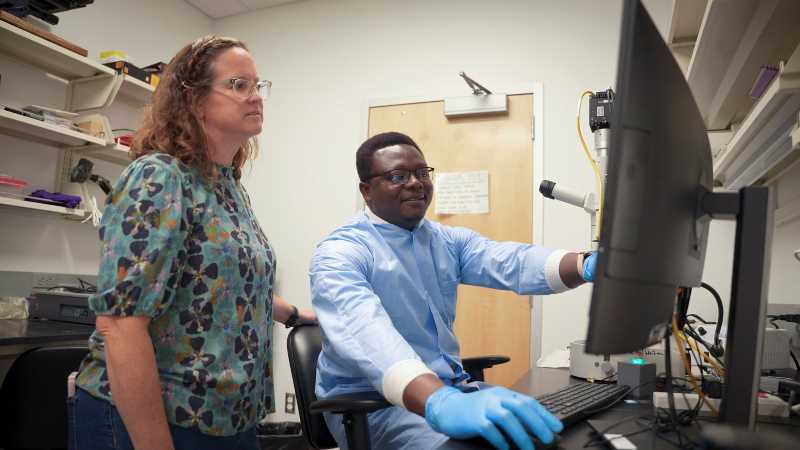 Building the future of toxicology
Posted 2:39 p.m. Wednesday, Feb. 11, 2026
UWL professor receives prestigious national award for excellence in undergraduate education
Read more about Building the future of toxicology
Building the future of toxicology
Posted 2:39 p.m. Wednesday, Feb. 11, 2026
UWL professor receives prestigious national award for excellence in undergraduate education
Read more about Building the future of toxicology
 Collaborating for better care
Posted 1:43 p.m. Wednesday, Feb. 11, 2026
UWL celebrates transformative partnerships with Emplify, Mayo
Read more about Collaborating for better care
Collaborating for better care
Posted 1:43 p.m. Wednesday, Feb. 11, 2026
UWL celebrates transformative partnerships with Emplify, Mayo
Read more about Collaborating for better care
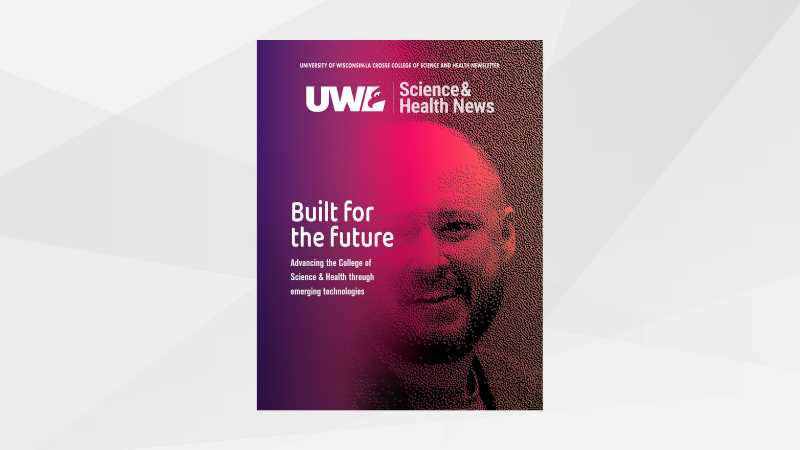 Science & Health News
Posted 12:32 p.m. Friday, Feb. 6, 2026
Read the latest issue of the College of Science & Health online magazine
Read more about Science & Health News
Science & Health News
Posted 12:32 p.m. Friday, Feb. 6, 2026
Read the latest issue of the College of Science & Health online magazine
Read more about Science & Health News